Polka Dot Begonia
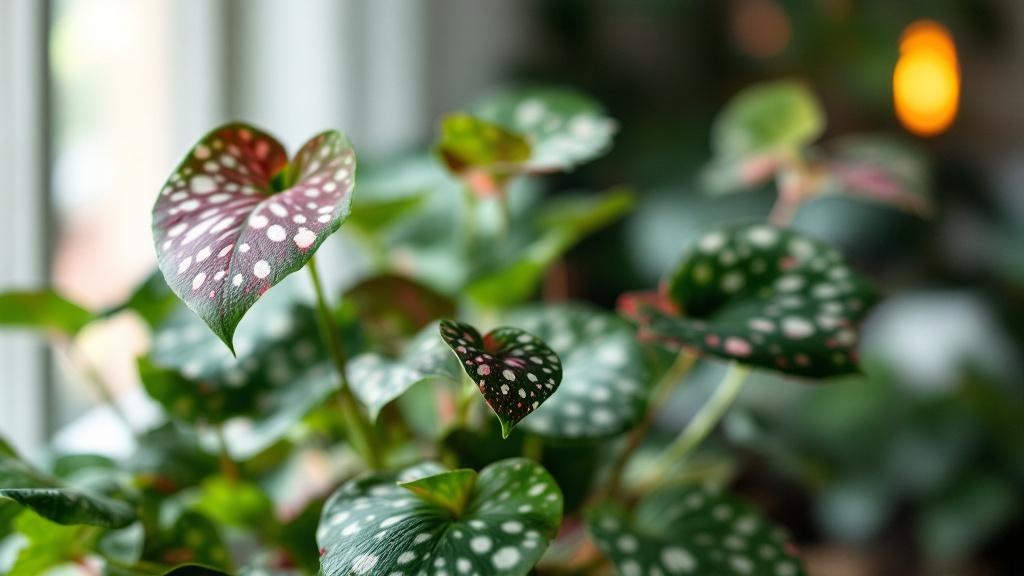
The Polka Dot Begonia has become one of the most sought-after houseplants thanks to its dramatic silver-spotted foliage and elegant cane-like growth habit. Native to Brazilian rainforests, this tropical beauty adapts surprisingly well to indoor life in temperate climates when given proper care. The most common question plant owners ask is how to prevent those gorgeous spotted leaves from dropping or developing crispy edges, which usually comes down to mastering humidity and watering balance.
Watering Your Polka Dot Begonia Correctly
Water when the top 2-3 cm of soil feels dry, typically every 7-10 days in summer and every 12-14 days in winter. Begonia maculata hates soggy roots, so always ensure excess water drains freely and never let the pot sit in a saucer of water. Use room-temperature water and try to avoid wetting the leaves, as this can encourage powdery mildew. In centrally heated homes during winter, check soil moisture more frequently as heating can dry plants faster than expected.
Light Requirements for Vibrant Spotted Leaves
Place your Polka Dot Begonia in bright indirect light, ideally near an east or north-facing window in temperate climates. Direct sunlight, especially harsh afternoon sun from May through August, will scorch the delicate spotted leaves and fade their striking pattern. If your plant becomes leggy with sparse leaves, it needs more light. During the darker months from November to February, consider moving it closer to a window or supplementing with a grow light for 10-12 hours daily.
Soil and Repotting for Healthy Roots
Use a light, well-draining potting mix combining regular houseplant compost with perlite in a 2:1 ratio. Begonia maculata prefers being slightly rootbound, so only repot when roots emerge from drainage holes, typically every 18-24 months. The best time to repot is late March to early May when the plant enters active growth. Choose a pot only 2-3 cm larger than the current one, as excess soil holds moisture and increases rot risk.
Temperature and Humidity Needs
Maintain temperatures between 18-24°C year-round and never let it drop below 15°C, which means keeping plants away from draughty windows in winter. This tropical plant thrives at 50-60% humidity, which is challenging in heated temperate homes where winter humidity often drops to 30-40%. Group plants together, use a pebble tray with water, or run a humidifier nearby from October through March. Avoid placing near radiators or heat vents which cause rapid moisture loss.
Feeding Your Begonia Maculata
Apply a balanced liquid houseplant fertilizer diluted to half strength every 2-3 weeks from April through September. Stop feeding entirely from October to February when growth naturally slows in lower light conditions. Over-fertilizing causes salt buildup and leaf burn, so if you notice white crust on the soil surface, flush it thoroughly with plain water. Resume feeding in spring when you see new growth emerging.
Common Problems and Solutions
Powdery mildew appears as white dusty patches on leaves, especially in humid conditions with poor air circulation. Improve ventilation and treat with a fungicide if needed. Brown leaf edges indicate low humidity or inconsistent watering, so review your moisture routine. Watch for fungus gnats in autumn and winter when overwatering is common. These small flies lay eggs in damp soil, so let the top layer dry between waterings and use yellow sticky traps to catch adults.
Frequently asked questions
How often should I water my Polka Dot Begonia?
Water every 7-10 days in the growing season and every 12-14 days in winter, allowing the top 2-3 cm of soil to dry between waterings. Always check soil moisture with your finger rather than following a rigid schedule, as heating and seasonal light changes affect water needs. Consistent light moisture without sogginess is the goal.
Why are my Polka Dot Begonia leaves turning yellow?
Yellow leaves typically indicate overwatering or poor drainage causing root stress. Check that your pot has drainage holes and that soil is not staying wet for days after watering. Lower leaves yellowing naturally as the plant ages is normal, but widespread yellowing requires immediate attention to watering habits.
Is Polka Dot Begonia toxic to cats?
Yes, Begonia maculata is toxic to cats and dogs. The plant contains insoluble oxalates that cause oral irritation, excessive drooling, vomiting, and difficulty swallowing if chewed or ingested. Keep this plant on high shelves or in rooms pets cannot access.
Why is my Polka Dot Begonia dropping leaves?
Leaf drop is usually caused by sudden environmental changes, cold drafts, or severe underwatering. Moving the plant to a new location, temperature fluctuations below 15°C, or letting soil dry out completely can trigger this stress response. Provide stable conditions and consistent care to help recovery.
When does Polka Dot Begonia bloom?
Polka Dot Begonias produce clusters of delicate white or pale pink flowers from late spring through autumn, typically May to September in temperate climates. Blooming requires bright indirect light and regular feeding during the growing season. The flowers are lovely but most growers prize this plant primarily for its spectacular foliage.