Honey Locust
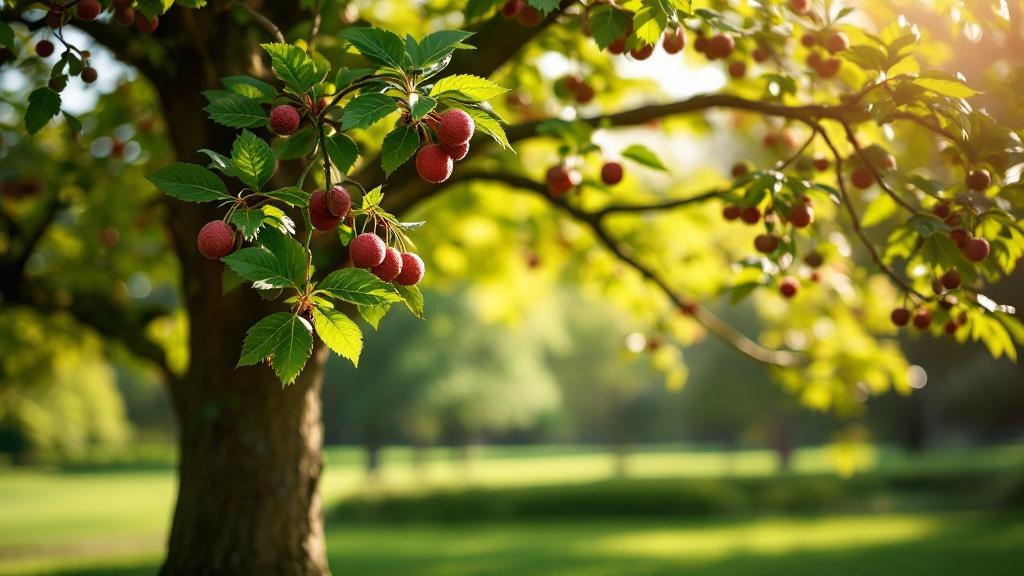
Honey Locust trees have become a favorite street and garden tree across temperate regions thanks to their airy canopy that lets grass grow beneath and their remarkable tolerance of difficult conditions. The most common question gardeners ask is whether thornless varieties exist — and yes, cultivars like 'Sunburst' and 'Skyline' are bred without the formidable thorns of the wild species. If you want a low-maintenance shade tree that handles Central European winters and dry summers equally well, Honey Locust deserves a spot on your shortlist.
Watering Your Honey Locust
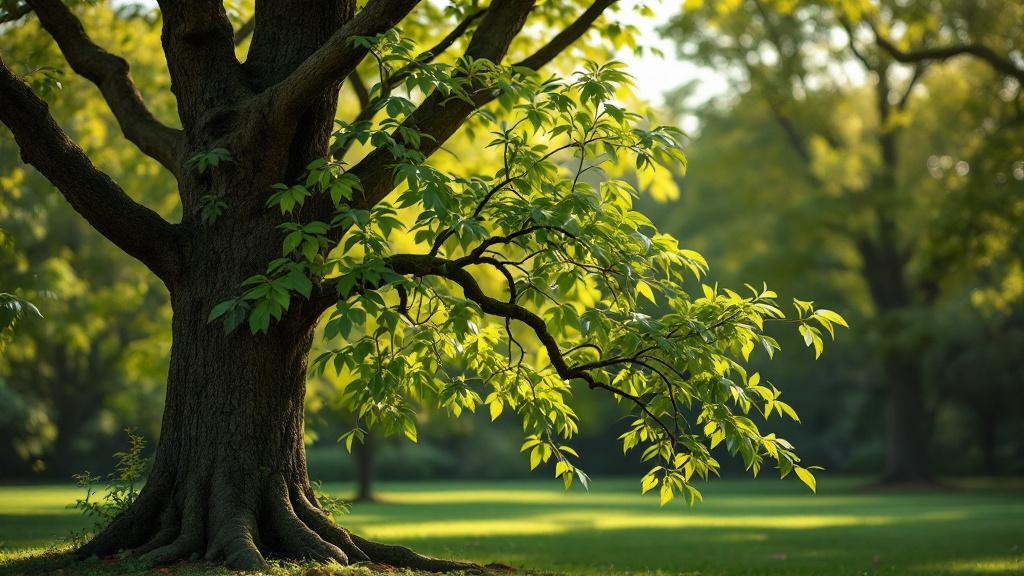
Water newly planted trees deeply once a week during their first two growing seasons to establish strong roots. From the third year onward, Honey Locusts are remarkably drought-tolerant and typically need supplemental water only during extended dry spells in July and August. In temperate climates, natural rainfall is usually sufficient for mature specimens. Always water at the base rather than overhead to discourage fungal issues.
Light Requirements for Honey Locust
Honey Locusts thrive in full sun and need at least six hours of direct sunlight daily to develop their characteristic open, spreading canopy. They tolerate light afternoon shade but will become leggy and produce fewer leaves in shadier spots. This makes them ideal for south-facing gardens or as standalone specimens in lawns where they cast pleasant dappled shade.
Soil and Planting
One of the Honey Locust's greatest strengths is its soil adaptability — it grows in clay, sand, alkaline, acidic, and even compacted urban soils. For best results, plant in autumn (October to November) or early spring (March to April) when the tree is dormant. Dig a hole twice the width of the root ball but no deeper, backfill with native soil, and mulch with 8-10 cm of bark chips to retain moisture and suppress weeds.
Temperature and Humidity Tolerance
Honey Locusts are exceptionally cold-hardy, surviving winters down to minus 30°C, making them reliable throughout USDA zones 4-9 and across Central Europe and the UK. They also handle summer heat and dry continental conditions without stress. Humidity is rarely a concern, though good air circulation helps prevent occasional leaf spot diseases during wet springs.
Fertilizing Schedule
Established Honey Locusts rarely need feeding if planted in average garden soil. For young trees or those in very poor ground, apply a balanced slow-release granular fertilizer (10-10-10) in early April as buds begin to swell. Avoid high-nitrogen feeds after midsummer, as late growth may not harden off before the first October frosts.
Common Problems and Pests
Honey Locust is generally trouble-free, but watch for the Honey Locust plant bug in late spring, which causes distorted leaves — a strong water spray or insecticidal soap controls light infestations. Spider mites can appear during hot, dry summers; increase humidity around the canopy with occasional hosing. In wet years, leaf spot fungi may cause brown patches; rake and dispose of fallen leaves in autumn to break the disease cycle.
Frequently asked questions
How often should I water a Honey Locust tree?
Water young trees once a week; mature trees are drought-tolerant. During the first two years, consistent weekly deep watering encourages deep root growth. After establishment, supplemental watering is only needed during prolonged dry spells lasting three weeks or more.
Why are my Honey Locust leaves turning yellow?
Yellow leaves usually indicate overwatering, poor drainage, or iron chlorosis in alkaline soils. Check that the root zone is not waterlogged and allow soil to dry between waterings. In highly alkaline conditions, apply chelated iron in spring to restore green color.
When does Honey Locust bloom?
Honey Locust blooms in late May to early June with small, fragrant, greenish-yellow flower clusters. The flowers are subtle and often go unnoticed but are highly attractive to bees. Long seed pods follow in autumn, though many ornamental cultivars are seedless.
Is Honey Locust toxic to dogs or cats?
No, Honey Locust is considered non-toxic to cats, dogs, and horses. The leaves, bark, and seed pods pose no poisoning risk if chewed or ingested. However, the thorns on wild-type trees can cause physical injury, so thornless cultivars are safer for pet-friendly gardens.
How fast does a Honey Locust tree grow?
Honey Locusts grow 30-60 cm per year under good conditions. They typically reach 12-15 meters at maturity over 20-30 years. This fast growth rate makes them popular for quickly establishing shade in new gardens or urban streetscapes.