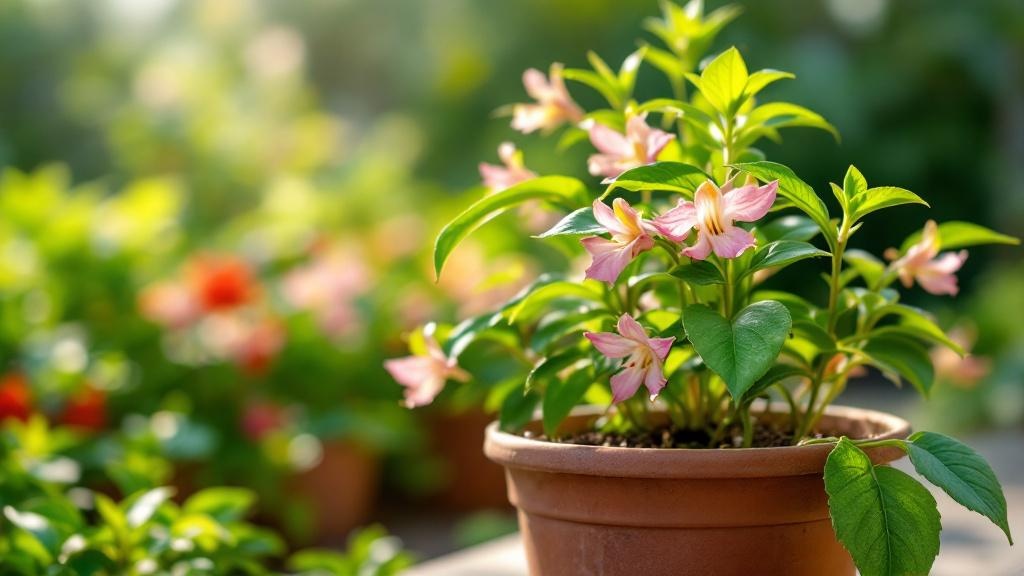
Cumin
Cumin is one of the most popular spices globally, yet few gardeners realize they can grow it at home. The most common question is whether cumin can thrive in cooler temperate climates, and the answer is yes, with the right timing. This Mediterranean native needs a long, warm growing season of 120 days, making early indoor sowing essential in zones 5-8. Once established, cumin rewards patient gardeners with fragrant seeds perfect for homemade spice blends.
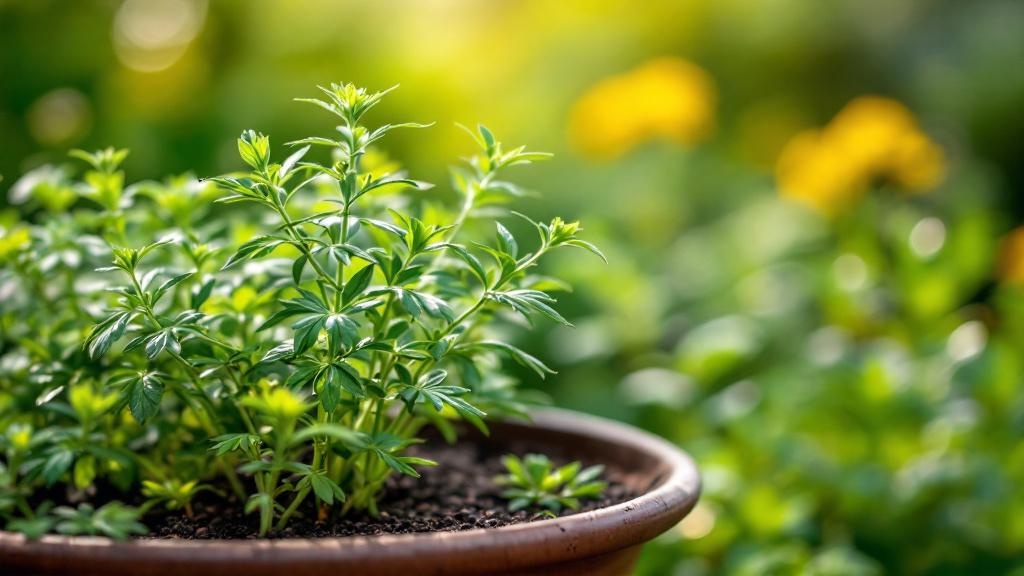
Watering Your Cumin Plants Correctly
Water cumin deeply every 5-7 days, allowing the top 2-3 cm of soil to dry between waterings. Overwatering causes root rot, which is the leading cause of cumin failure in home gardens. Reduce watering frequency once flower heads form to encourage seed development. In hot July and August spells, you may need to water every 4-5 days.
Light Requirements for Healthy Cumin Growth
Cumin demands full sun with at least 6-8 hours of direct sunlight daily. In temperate zones, choose your sunniest, most sheltered spot, ideally a south-facing bed or container position. Insufficient light leads to leggy, weak plants that produce few seeds. Avoid shaded areas near trees or north-facing walls entirely.
Soil and Repotting for Cumin
Plant cumin in well-draining, sandy loam soil with a pH between 6.5 and 7.5. Heavy clay soils must be amended with coarse sand and compost before planting. Cumin has a delicate taproot and resents transplanting, so sow seeds directly outdoors after last frost in late May, or start in biodegradable pots indoors in late March. Space plants 10-15 cm apart in rows 30 cm apart.
Temperature and Humidity Needs
Cumin thrives between 15-30°C and cannot tolerate frost. In temperate zones, start seeds indoors 6-8 weeks before the last frost date, typically late March to early April. Transplant outdoors only when nighttime temperatures consistently stay above 12°C, usually late May or early June. Cumin prefers low to moderate humidity and struggles in wet, cool summers.
Fertilizing Cumin Through the Season
Apply a balanced organic fertilizer or well-rotted compost at planting time. Cumin is not a heavy feeder, so one light application of a balanced 10-10-10 fertilizer in mid-June is sufficient. Avoid high-nitrogen feeds after flowering begins in July, as this promotes leaf growth at the expense of seed production. Too much fertilizer actually reduces the essential oil concentration in seeds.
Common Problems When Growing Cumin
Aphids are the most frequent pest, appearing in June and July; blast them off with water or apply neem oil spray. Fusarium wilt causes yellowing and wilting, so rotate planting locations yearly and ensure excellent drainage. Powdery mildew can strike during humid late-summer periods, treat with a diluted milk spray (1:9 milk to water) at first signs. Cold, wet conditions in September can cause seed rot before harvest.
Frequently asked questions
How long does cumin take to grow from seed?
Cumin takes 100-120 days from seed to harvest. In temperate climates, this means starting seeds indoors in late March and harvesting seeds in late August or September. The long growing season makes early sowing essential for success in zones 5-8.
Can you grow cumin in pots?
Yes, cumin grows well in containers at least 20 cm deep. Choose a pot with excellent drainage, use sandy potting mix, and place in full sun. Container growing actually works well in temperate climates because you can move pots to warmer spots and protect them during unexpected cold snaps.
Why are my cumin plants turning yellow?
Yellowing cumin usually indicates overwatering or poor drainage. Check that soil drains freely and let it dry between waterings. Fusarium wilt, a fungal disease, also causes yellowing starting from lower leaves. Remove affected plants immediately and do not plant cumin in the same spot next year.
When do you harvest cumin seeds?
Harvest cumin seeds in late August to September when seed heads turn brown and dry on the plant. Cut entire seed heads in the morning after dew evaporates, place in paper bags, and hang upside down in a warm, dry location for 1-2 weeks. Thresh gently to release seeds.
Is cumin the same as caraway?
No, cumin and caraway are different plants with distinct flavors. Cumin (Cuminum cyminum) has warm, earthy notes and is used in Middle Eastern and Indian cuisine. Caraway (Carum carvi) tastes sharper and more anise-like and is common in Central European cooking. They look similar but are not interchangeable.