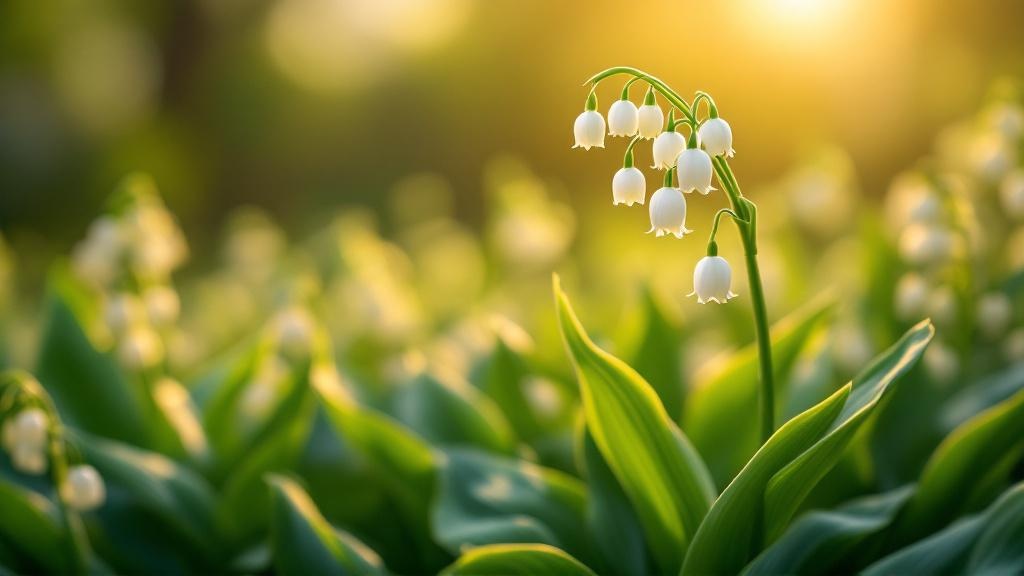
Freesia
Freesias are among the most fragrant flowers you can grow, with a sweet, citrusy scent that fills any room. Native to South Africa, these elegant bulbs have become garden favorites across temperate regions for their rainbow of colors and long-lasting blooms. The most common question gardeners ask is how to get freesias to bloom reliably, as these bulbs need specific cool conditions to flower. Understanding their natural growth cycle is key to success with these rewarding plants.
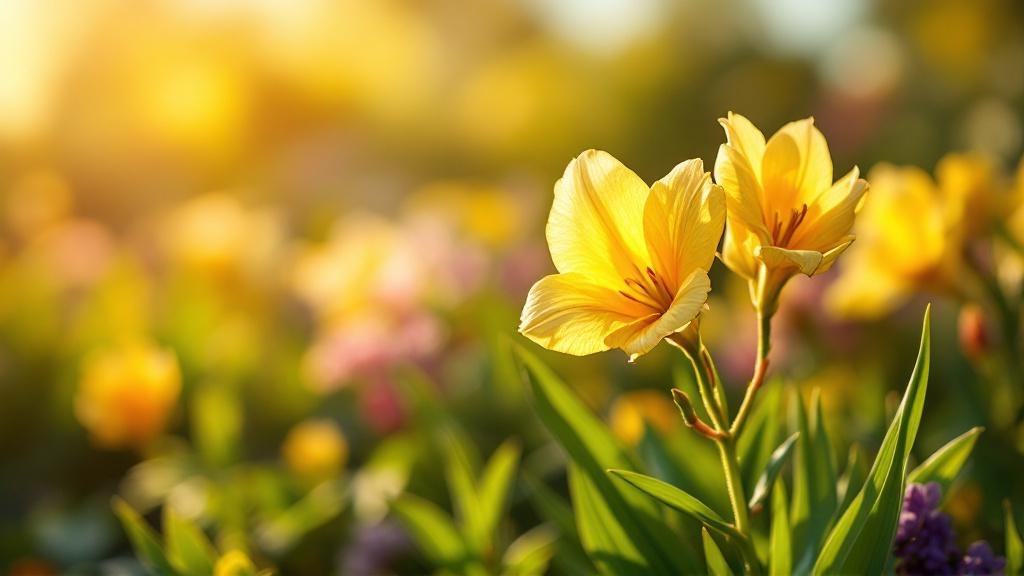
Watering Your Freesia for Healthy Growth
Water freesias consistently to keep soil evenly moist but never waterlogged during active growth from autumn through spring. Reduce watering gradually after flowering finishes in late May or June as foliage yellows, then stop completely during summer dormancy. Overwatering during dormancy causes bulb rot, the most common reason freesias fail to return. Resume watering when you see new growth emerging in September or October.
Light Requirements for Abundant Freesia Blooms
Freesias need at least 6 hours of direct sunlight daily for strong stems and prolific flowering. In temperate climates, a south-facing windowsill works well for indoor growing, while outdoor plants thrive in full sun positions. Insufficient light causes weak, floppy stems that cannot support the flower weight. If growing indoors during grey winter months, consider supplementing with a grow light for 4-6 hours daily.
Soil and Repotting Freesia Bulbs
Plant freesia corms in well-draining soil with added sand or perlite to prevent waterlogging. A mix of two parts potting compost to one part horticultural grit works excellently. Plant corms 5cm deep and 5-8cm apart in autumn, around late September to October in temperate zones. Freesias resent root disturbance, so plant in their final containers or lift bulbs only during summer dormancy.
Temperature and Humidity for Freesias
Freesias require cool temperatures between 10-18°C to bloom successfully, making them ideal for unheated conservatories, cool greenhouses, or bright porches in temperate climates. They cannot tolerate frost, so bring outdoor containers inside before temperatures drop below 5°C in October. High humidity is unnecessary, but good air circulation prevents fungal problems. Summer dormancy at room temperature is perfectly acceptable once foliage has died back.
Fertilizing Freesias Through the Growing Season
Feed freesias fortnightly with a balanced liquid fertilizer diluted to half strength once shoots reach 10cm tall, typically in November. Switch to a high-potash feed like tomato fertilizer when flower buds appear in early spring to encourage more blooms. Stop fertilizing entirely once flowers fade and foliage begins yellowing. The bulbs store nutrients during this post-flowering period for next year's display.
Common Freesia Problems and Solutions
Aphids commonly attack freesias in spring, clustering on flower buds and young growth. Treat with insecticidal soap or blast off with water. Grey mould (Botrytis) appears in humid, poorly ventilated conditions as fuzzy grey patches on leaves and flowers. Remove affected parts immediately and improve air circulation. Floppy stems indicate insufficient light or overly warm growing conditions, so move plants to a cooler, brighter location and stake if necessary.
Frequently asked questions
How often should I water freesia bulbs?
Water freesias every 5-7 days during active growth to keep soil consistently moist but not soggy. Reduce watering after flowering ends in late spring, and stop completely during summer dormancy when the bulbs rest. Resume watering when new growth appears in autumn.
Why are my freesia leaves turning yellow?
Yellow freesia leaves are normal after flowering finishes in late spring, signaling the start of dormancy. However, yellowing during active growth indicates overwatering, poor drainage, or insufficient light. Check that your pot has drainage holes and that the soil is not staying constantly wet.
When do freesias bloom in the UK?
Freesias planted in autumn typically bloom from March through May in temperate climates. Indoor-grown freesias in cool conditions may flower slightly earlier, from February onwards. The flowering period lasts 3-4 weeks, and cutting stems for bouquets encourages more blooms.
Can I plant freesia bulbs outside in spring?
Yes, but spring-planted freesias bloom in late summer rather than spring. For traditional spring flowers, plant corms in September or October in frost-free positions or containers you can protect. Spring planting works best in sheltered spots where soil warms gradually.
Is freesia toxic to cats?
No, freesias are non-toxic to cats, dogs, and humans according to the ASPCA. This makes them an excellent choice for households with curious pets. The bulbs, leaves, and flowers are all considered safe, though eating large quantities of any plant may cause mild stomach upset.