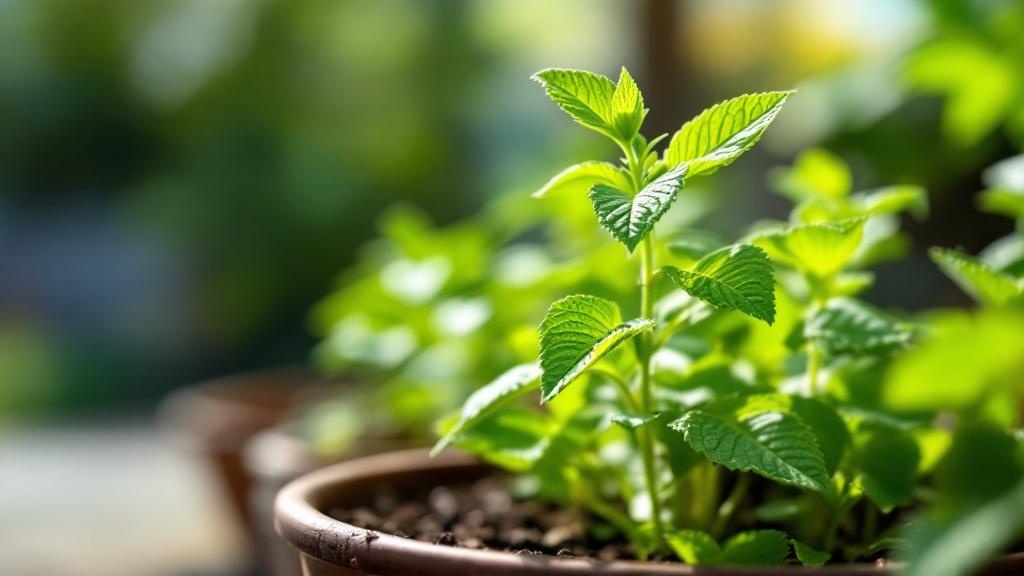
Marjoram
Marjoram brings a delicate, sweet warmth to soups, meats, and Mediterranean dishes that dried supermarket herbs simply cannot match. The most common question home gardeners ask is whether marjoram can survive winter outdoors — and in temperate climates, the honest answer is usually no without protection. This tender herb needs thoughtful care from late spring planting through autumn harvest, but rewards you with months of fragrant leaves that elevate everyday cooking.
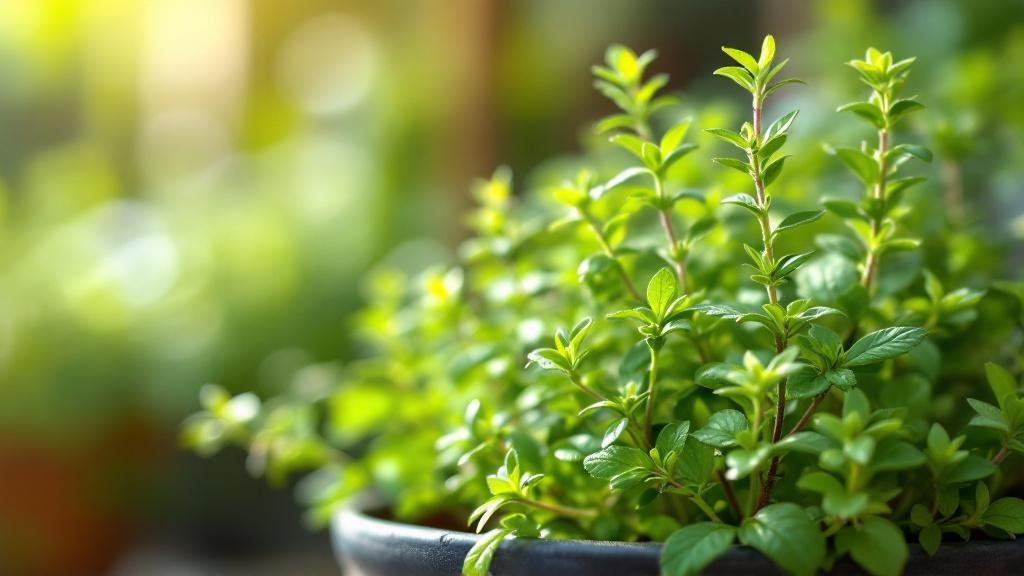
How to Water Marjoram Correctly
Water marjoram when the top 2-3 cm of soil feels dry, typically every 5-7 days in summer and less frequently in cooler months. This Mediterranean herb despises soggy roots, so always err on the side of underwatering. Container-grown plants dry out faster than garden beds — check them every few days during July and August heatwaves. Reduce watering significantly from October onward if overwintering indoors.
Light Requirements for Healthy Marjoram
Marjoram demands full sun — at least 6 hours of direct light daily for the best flavor and bushiest growth. In UK and Northern European summers, a south-facing windowsill or the sunniest garden spot works perfectly. If growing indoors year-round, supplement with a grow light during the dim November-February period when natural daylight drops below 8 hours.
Soil and Repotting Your Marjoram Plant
Plant marjoram in light, sandy soil with excellent drainage and a slightly alkaline pH of 6.5-7.5. A mix of standard potting compost with 30% perlite or horticultural grit prevents the root rot this herb is prone to. Repot container marjoram each April into a slightly larger pot with fresh soil. In garden beds, avoid heavy clay — raised beds filled with sandy loam work brilliantly.
Temperature and Humidity Needs
Marjoram thrives between 18-24°C but tolerates summer highs up to 30°C. The critical point: it cannot survive frost. In USDA zones 5-8, treat marjoram as an annual or bring potted plants indoors before the first October frost. Humidity is rarely an issue — this herb actually prefers the drier indoor air of heated homes over damp conditions. Avoid placing near steamy kitchen areas.
Fertilizing Marjoram Through the Seasons
Feed marjoram lightly — overfertilizing reduces its essential oil concentration and flavor. Apply a half-strength liquid fertilizer once monthly from May through August. Stop feeding entirely from September onward as growth naturally slows. For garden plants, a single application of well-rotted compost worked into the soil each spring provides sufficient nutrition for the entire growing season.
Common Marjoram Problems and Solutions
Aphids cluster on tender new growth in late spring — blast them off with water or apply insecticidal soap weekly until gone. Root rot from overwatering causes wilting despite moist soil; improve drainage immediately and reduce watering frequency. Powdery mildew appears as white patches in humid late-summer conditions — increase air circulation and avoid wetting leaves. Spider mites may attack indoor plants in winter when heating dries the air.
Frequently asked questions
Can marjoram survive winter outdoors?
Marjoram cannot survive freezing temperatures and will die below -1°C. In temperate climates like the UK, Northern US, and Central Europe, either grow it as an annual, take cuttings in August to root indoors, or move potted plants inside before the first October frost. Place overwintering plants in a cool, bright spot around 10-15°C.
How often should I water marjoram?
Water marjoram every 5-7 days when the top few centimeters of soil feel dry. This drought-tolerant herb prefers slightly dry conditions over constant moisture. In hot summer weather, container plants may need water every 3-4 days, while garden plants with established roots need less frequent attention.
Why are my marjoram leaves turning yellow?
Yellow marjoram leaves usually indicate overwatering or poor drainage causing root stress. Check that your pot has drainage holes and the soil is not staying soggy. Other causes include nutrient deficiency from exhausted soil — repot with fresh compost in spring — or natural aging of lower leaves, which is normal.
When should I harvest marjoram?
Harvest marjoram anytime once plants reach 10-15 cm tall, typically from June onward. The best flavor comes just before flowering, usually in July and August. Cut stems in the morning after dew dries, taking no more than one-third of the plant at once. Regular harvesting encourages bushier, more productive growth.
What is the difference between marjoram and oregano?
Marjoram has a sweeter, more delicate flavor than oregano, with floral notes and less peppery bite. Botanically, sweet marjoram is Origanum majorana while oregano is Origanum vulgare. Marjoram is also less cold-hardy and grows more compactly. Use marjoram in dishes where you want subtle herb flavor without overpowering other ingredients.