Bunny Ears Cactus
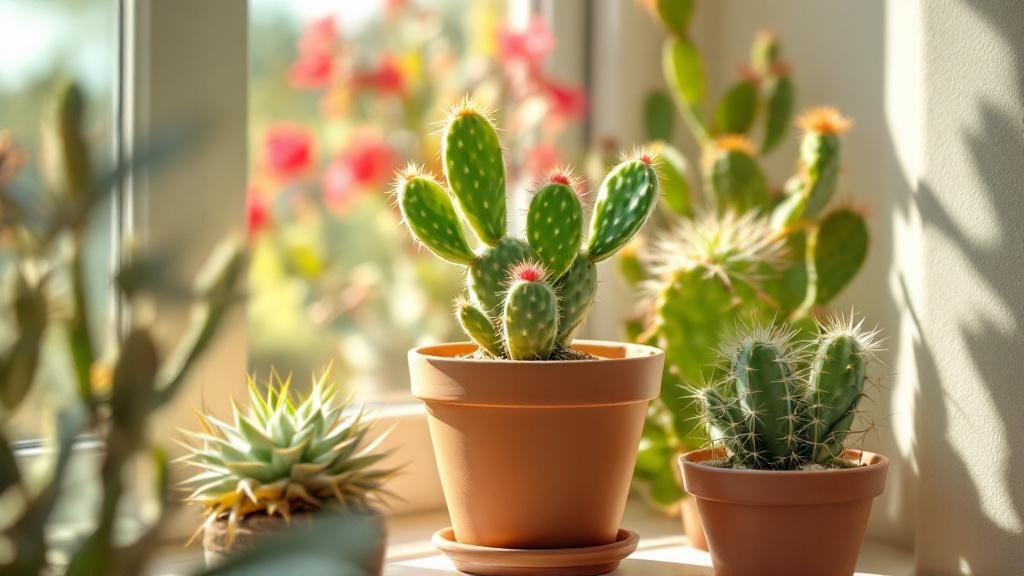
The Bunny Ears Cactus (Opuntia microdasys) wins hearts with its adorable paired pads that resemble rabbit ears. Native to Mexican deserts, it thrives in bright light and forgives neglect, making it perfect for busy households. The most common question new owners ask is how often to water this charming succulent without causing root rot. Despite its fuzzy appearance, those tiny golden or white dots are glochids, hair-like spines that detach easily, so handle with care.
Watering Your Bunny Ears Cactus
Water thoroughly every 2-3 weeks from April through September, allowing soil to dry completely between waterings. In winter (November to March), reduce to once monthly or less, as the plant enters dormancy and overwatering causes fatal root rot. Always empty saucers after watering and never let the pot sit in standing water. When in doubt, wait another week before watering.
Light Requirements for Opuntia microdasys
Place your Bunny Ears Cactus in the sunniest spot available, ideally a south or west-facing windowsill receiving 4-6 hours of direct sunlight daily. In temperate climates, summer sun through glass is rarely too intense. If pads become pale or elongated (etiolated), the plant needs more light. Consider moving it outdoors to a sheltered patio from late May through September for optimal growth.
Soil and Repotting Guidelines
Use a commercial cactus and succulent mix, or create your own by combining regular potting soil with 50% perlite or coarse sand for excellent drainage. Repot every 2-3 years in spring (April or May) using a pot only slightly larger than the root ball, with drainage holes. Terracotta pots are ideal as they wick away excess moisture. Use folded newspaper or thick gloves when handling to avoid glochid contact.
Temperature and Humidity Needs
Bunny Ears Cactus tolerates typical indoor temperatures between 15-26°C year-round. It benefits from cooler winter rest around 10-15°C from November to February, which encourages spring flowering. Protect from frost, bringing outdoor plants inside by late September in temperate zones. Low household humidity is perfect; this cactus dislikes damp, stuffy rooms.
Fertilizing for Healthy Growth
Feed monthly from April through August with a balanced cactus fertilizer diluted to half strength. Stop fertilizing entirely from September through March during the dormant period. Over-fertilizing causes weak, leggy growth and can burn roots. A single spring application of slow-release granules is an easy alternative to liquid feeding.
Common Problems and Solutions
Soft, mushy pads indicate overwatering and possible root rot; remove affected pads, let the plant dry out completely, and repot in fresh dry soil. Mealybugs appear as white cottony clusters in pad joints, especially in winter; dab with rubbing alcohol or use insecticidal soap. Shriveled, wrinkled pads in summer mean the plant needs water. Scale insects occasionally appear as brown bumps; scrape off gently and treat with neem oil.
Frequently asked questions
How often should I water a Bunny Ears Cactus?
Water every 2-3 weeks during the growing season (April to September) and once monthly in winter. Always let the soil dry completely between waterings. Overwatering is the most common cause of death for this cactus.
Why are my Bunny Ears Cactus pads turning yellow?
Yellow pads typically indicate overwatering or poor drainage causing root stress. Check that your pot has drainage holes and the soil is not staying wet. If pads are soft and yellow, root rot may have set in and affected sections should be removed.
Is Bunny Ears Cactus toxic to cats and dogs?
Bunny Ears Cactus is not chemically toxic to pets, but the tiny glochid spines easily detach and embed in skin, mouths, and paws, causing irritation and discomfort. Place the plant out of reach of curious animals to prevent painful encounters.
When does Bunny Ears Cactus bloom?
Mature plants may produce yellow or pale orange flowers in late spring or early summer, typically May or June. Blooming requires bright light and a cool winter dormancy period around 10-12°C. Young plants or those in low light rarely flower indoors.
Can I put my Bunny Ears Cactus outside in summer?
Yes, moving your cactus outdoors from late May through September benefits growth significantly in temperate climates. Choose a sunny, sheltered spot and introduce it gradually to avoid sunburn. Bring it back indoors before night temperatures drop below 10°C in late September.