Cloudberry
Cloudberries produce amber-gold berries with a unique honey-tart flavor prized across Scandinavia. The most common question gardeners ask is whether cloudberries can grow outside their native Arctic habitat. The answer is yes, but they demand specific conditions: cool summers, acidic boggy soil, and patience. In USDA zones 5-7, you can successfully cultivate these rare fruits if you replicate their natural moorland environment.
Watering Your Cloudberry: Mimicking Bogland Conditions
Cloudberries naturally grow in waterlogged peat bogs, so consistent moisture is essential. Water deeply 2-3 times per week during the growing season from April through September, ensuring the soil never dries out. In hot July spells, daily watering may be necessary. Use rainwater when possible, as tap water can raise soil pH over time.
Light Requirements for Healthy Cloudberry Growth
Cloudberries thrive in partial shade with 4-6 hours of direct sunlight daily. In zones 7-8, afternoon shade is crucial to prevent heat stress during summer. Morning sun with dappled afternoon light replicates their natural habitat at forest edges. Avoid deep shade, which reduces fruit production significantly.
Soil Preparation and Planting Cloudberries
Acidic soil with a pH of 4.0-5.5 is non-negotiable for cloudberries. Create a dedicated bog bed by mixing 70 percent sphagnum peat moss with 30 percent sand. Plant rhizomes 5-8cm deep in early April or late September. Cloudberries spread via underground runners, so allow 60cm between plants and expect colonies to establish over 2-3 years before fruiting.
Temperature and Humidity for Cloudberry Success
Cloudberries require cold winters with temperatures below minus 10C for proper dormancy. They struggle in zones 8 and warmer where summers exceed 25C regularly. High humidity of 60-80 percent supports healthy growth. In continental climates with hot summers, site plants on north-facing slopes or provide shade cloth from June through August.
Fertilizing Cloudberry Plants Correctly
Cloudberries are light feeders adapted to nutrient-poor soils. Apply a thin layer of pine needle mulch in April and again in October. If growth seems weak, use an ericaceous fertilizer at half strength once in early May. Over-fertilizing promotes leafy growth at the expense of fruit and can damage the shallow root system.
Common Cloudberry Problems and Solutions
Grey mould (Botrytis) attacks flowers during wet May weather. Improve air circulation and remove affected blooms promptly. Raspberry beetle larvae occasionally tunnel into developing fruits in June. Handpick affected berries and use sticky traps nearby. Leaf scorch from summer heat appears as brown leaf margins. Increase shade and mulching to keep roots cool.
Frequently asked questions
How long does it take for cloudberries to produce fruit?
Cloudberries typically take 3-4 years to fruit from planted rhizomes. The plants spend the first two years establishing their underground runner system. Once established, expect small harvests in year three with full production by year five.
Why are my cloudberry leaves turning yellow?
Yellow cloudberry leaves usually indicate soil pH is too high. Test your soil and amend with sulphur chips if pH exceeds 5.5. Other causes include waterlogging without drainage, nitrogen deficiency in poor soils, or natural autumn senescence beginning in late August.
When do cloudberries ripen in the UK?
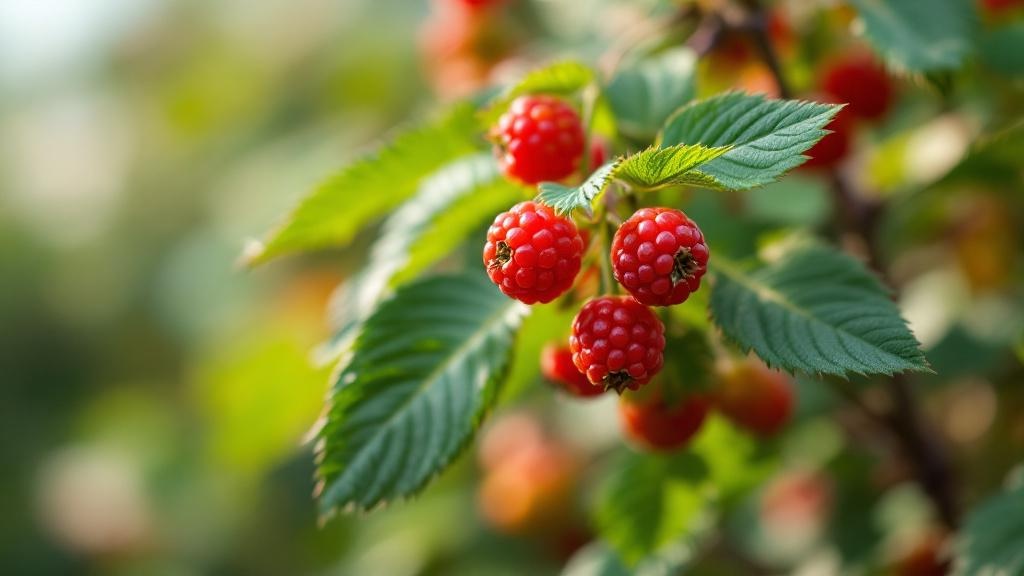
Cloudberries ripen from late July through August in UK and Northern European gardens. The berries transition from red to golden-amber when fully ripe. Harvest when fruits detach easily with gentle pulling, typically 6-8 weeks after flowering in May.
Can you grow cloudberries in pots?
Yes, cloudberries can grow in large containers of at least 40 litres filled with ericaceous compost mixed with peat. However, container growing is challenging because maintaining consistent moisture and cool root temperatures is difficult. Sink pots into the ground to regulate temperature.
Are cloudberries self-pollinating?
No, cloudberries have separate male and female plants and require cross-pollination. Plant at least one male for every three to four female plants. Purchase sexed plants from specialist nurseries, as seedlings take years to reveal their sex when flowering begins.