Burros Tail
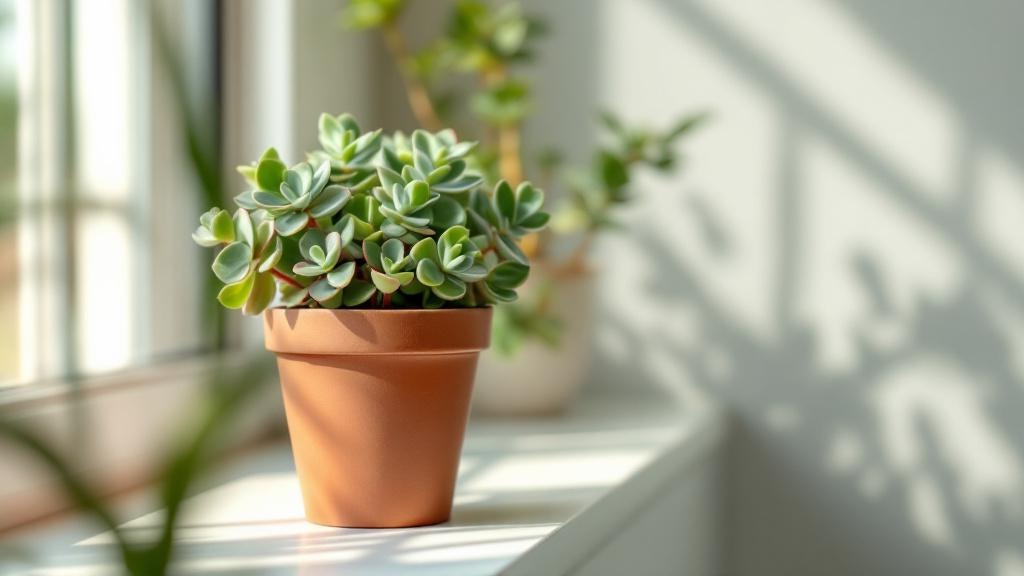
Burro's Tail is one of the most striking trailing succulents you can grow indoors, with its rope-like stems covered in plump, jelly bean-shaped leaves. The most common question new owners ask is why the leaves keep falling off — and the answer usually comes down to overwatering or handling the plant too much. Native to Mexico, this succulent adapts well to indoor life in temperate climates when given bright light and a hands-off watering approach.
Watering Your Burro's Tail: Less Is More
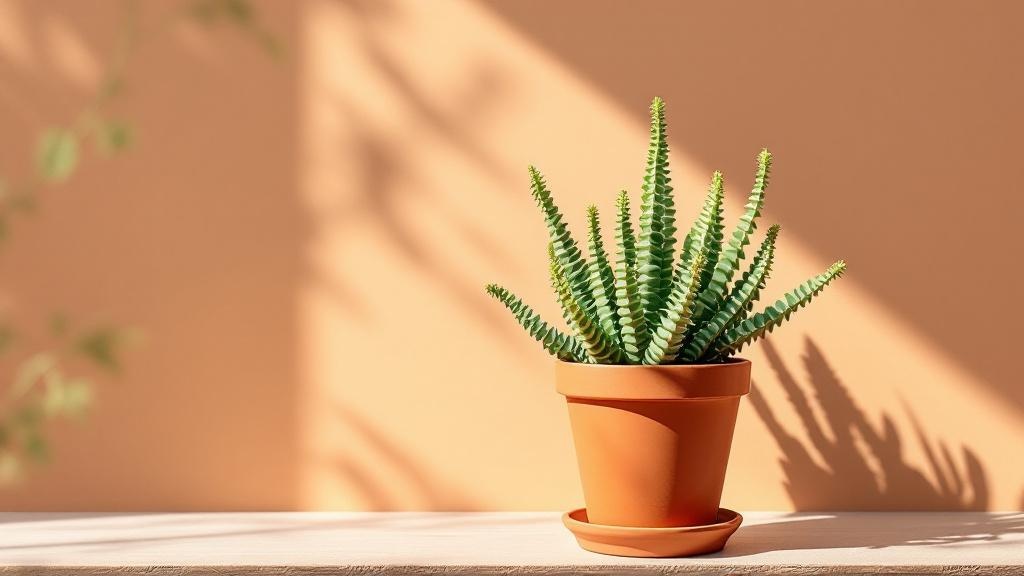
Water thoroughly every 10-14 days in summer, allowing the soil to dry completely between waterings. In winter (November to February), reduce to once every 3-4 weeks as growth slows dramatically. The leaves store water and will appear slightly wrinkled when the plant is thirsty — this is your cue to water. Always empty the saucer after watering to prevent root rot.
Light Requirements for Healthy Growth
Burro's Tail thrives in bright indirect light or a few hours of direct morning sun. A south or west-facing windowsill works well in UK and Northern European homes. In summer, you can move the plant outdoors to a sheltered spot from late May, but introduce it gradually to prevent sunburn. Insufficient light causes stretched, pale growth and increased leaf drop.
Soil and Repotting Essentials
Use a fast-draining cactus and succulent mix, or create your own by mixing regular potting soil with 50% perlite or coarse sand. Repot only when severely rootbound, typically every 3-4 years in early spring (March to April). Handle with extreme care during repotting — the leaves detach at the slightest touch. Choose a shallow pot with drainage holes, as deep containers retain too much moisture.
Temperature and Humidity Preferences
Keep your Burro's Tail between 15-24°C year-round. It tolerates brief dips to 10°C but will suffer damage below 5°C, so bring outdoor plants inside by mid-September before the first frosts. Average household humidity (40-50%) is ideal — avoid bathrooms or kitchens where humidity runs high. Good air circulation helps prevent fungal issues during damp autumn months.
Fertilizing for Lush Trailing Stems
Feed monthly from April to September with a balanced liquid fertilizer diluted to half strength. Avoid fertilizing during winter dormancy (October to March) when the plant isn't actively growing. Over-fertilizing causes weak, leggy growth and can burn the roots. A light annual top-dressing with worm castings in spring provides gentle, slow-release nutrition.
Common Problems and How to Fix Them
Leaf drop is the most frequent complaint — usually caused by overwatering, physical handling, or sudden temperature changes. If leaves turn mushy and translucent, root rot has set in from wet soil; unpot immediately, remove affected roots, and replant in dry mix. Mealybugs sometimes hide in the leaf joints; dab them with a cotton swab dipped in rubbing alcohol. Fungus gnats indicate soil staying too wet — let it dry out longer between waterings.
Frequently asked questions
Why are my Burro's Tail leaves falling off?
Leaf drop happens most often from overwatering, physical contact, or temperature shock. Check that the soil dries completely between waterings and avoid moving or touching the plant unnecessarily. Fallen leaves can be propagated by laying them on dry soil.
How often should I water Burro's Tail?
Water every 10-14 days in summer and every 3-4 weeks in winter. Always let the soil dry out completely before watering again. The plump leaves will look slightly wrinkled when the plant needs water.
Can Burro's Tail grow outside in the UK?
Yes, but only during summer months from late May to mid-September. Burro's Tail cannot survive frost and must come indoors before temperatures drop below 10°C. Place it in a sheltered spot with morning sun and afternoon shade.
Is Burro's Tail toxic to cats?
No, Burro's Tail is non-toxic to cats, dogs, and humans. While safe if nibbled, the trailing stems can tempt playful pets, so hang it out of reach to prevent leaf damage and mess from dropped leaves.
How do I propagate Burro's Tail from fallen leaves?
Simply lay fallen leaves on top of dry cactus soil and mist lightly every few days. Roots and tiny rosettes will sprout from the base within 2-4 weeks. Avoid burying the leaves or keeping them too wet, which causes rot.