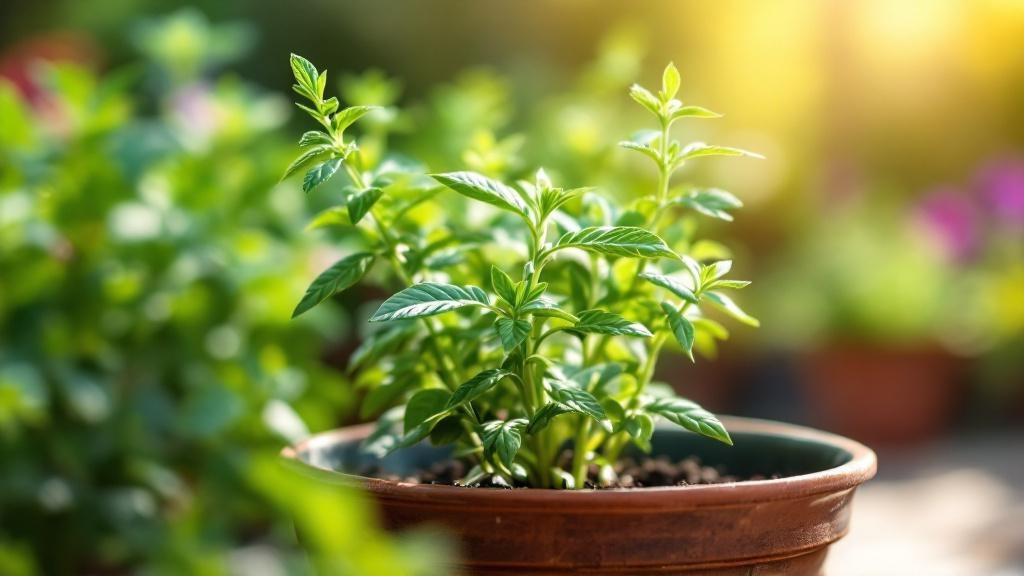
Holy Basil
Holy basil has been treasured for thousands of years in Ayurvedic medicine and Asian cuisine, offering a complex flavor profile of clove, pepper, and mint. The most common question gardeners ask is whether this tropical herb can survive in cooler climates. The answer is yes, with some seasonal adjustments. Unlike sweet basil, holy basil delivers stronger medicinal compounds and a more intense, spicy aroma that makes it worth the extra effort to grow in temperate zones.
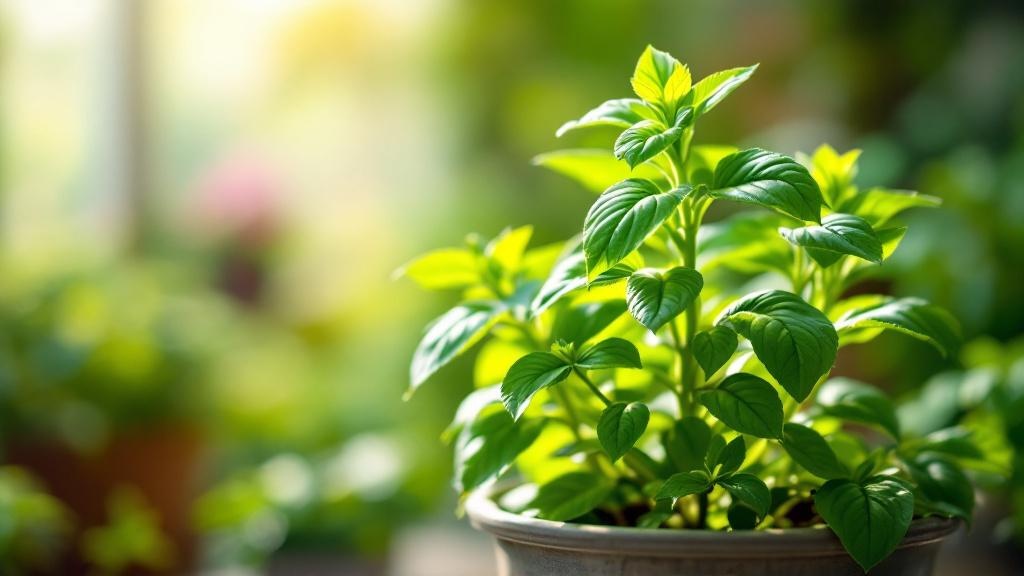
Watering Your Holy Basil: Consistent Moisture Without Soggy Roots
Water holy basil when the top 2-3 cm of soil feels dry, typically every 3-4 days during summer heat and weekly in cooler spring or autumn weather. Always water at the base of the plant in the morning to prevent fungal issues on the leaves. Potted plants dry out faster than garden specimens, so check them daily during July and August heatwaves. Reduce watering significantly if you bring the plant indoors for winter, allowing the soil to dry more between waterings.
Light Requirements: Give Tulsi the Sunniest Spot
Holy basil needs at least 6-8 hours of direct sunlight daily to develop its full aromatic oil content. In temperate regions, place outdoor plants in the most sheltered, south-facing position available from late May through September. Indoor plants thrive on sunny windowsills but may need supplemental grow lights from October to March when daylight hours drop below 10 hours. Leggy growth and pale leaves indicate insufficient light.
Soil and Repotting: Creating the Right Foundation
Plant holy basil in well-draining soil enriched with compost, maintaining a pH between 6.0 and 7.5. A mixture of standard potting soil with added perlite works well for containers. Repot when roots emerge from drainage holes, typically moving up one pot size in early summer. Garden planting should wait until after the last frost, usually mid-May in most temperate zones, with soil temperatures consistently above 15°C.
Temperature and Humidity: Protecting Your Tropical Herb
Holy basil thrives between 18-30°C and suffers below 10°C, making frost protection essential. Bring container plants indoors by late September before nighttime temperatures drop consistently below 12°C. This herb appreciates moderate humidity around 50-60 percent, so mist indoor plants weekly during winter when central heating dries the air. Avoid placing plants near cold drafts from windows or exterior doors.
Fertilizing Holy Basil: Feeding for Abundant Growth
Apply a balanced liquid fertilizer diluted to half strength every 2-3 weeks from June through August. Avoid over-fertilizing, which produces lush leaves with diminished essential oil content and weaker flavor. A single application of slow-release organic fertilizer at planting time can replace regular feeding for garden plants. Stop fertilizing by early September to allow the plant to naturally slow growth before the indoor overwintering period.
Common Problems: Pests and Diseases in Temperate Gardens
Aphids cluster on new growth from May onwards and can be controlled with strong water sprays or insecticidal soap. Fungal diseases like fusarium wilt and downy mildew appear during cool, damp periods in early summer, so ensure good air circulation and avoid overhead watering. Slugs and snails target young seedlings in spring, particularly during wet May weather. Apply organic slug pellets or copper tape barriers around vulnerable plants.
Frequently asked questions
How often should I water holy basil?
Water holy basil every 3-4 days during warm summer months, or when the top 2-3 cm of soil feels dry. In cooler weather or for indoor plants during winter, reduce to once weekly. The goal is consistently moist but never waterlogged soil.
Can holy basil survive winter outdoors in the UK?
No, holy basil cannot survive frost and will die if left outdoors during temperate winters. Bring potted plants inside by late September, placing them on a bright windowsill where temperatures stay above 15°C. Some gardeners treat it as an annual and start fresh seeds each spring.
Why are my holy basil leaves turning yellow?
Yellow leaves typically indicate overwatering, poor drainage, or nutrient deficiency. Check that your pot has drainage holes and the soil is not staying constantly soggy. If drainage is fine, apply a balanced liquid fertilizer as the plant may need nitrogen.
Is holy basil toxic to cats?
Holy basil is non-toxic and safe around cats, dogs, and other pets. The plant poses no poisoning risk if nibbled, though large quantities eaten may cause mild stomach upset simply due to the concentrated essential oils.
When should I harvest holy basil leaves?
Harvest holy basil leaves once the plant reaches 15-20 cm tall, typically 6-8 weeks after planting. Pick individual leaves or cut stems just above a leaf node to encourage bushier growth. Harvest in the morning after dew dries for the highest essential oil concentration.