Feather Reed Grass
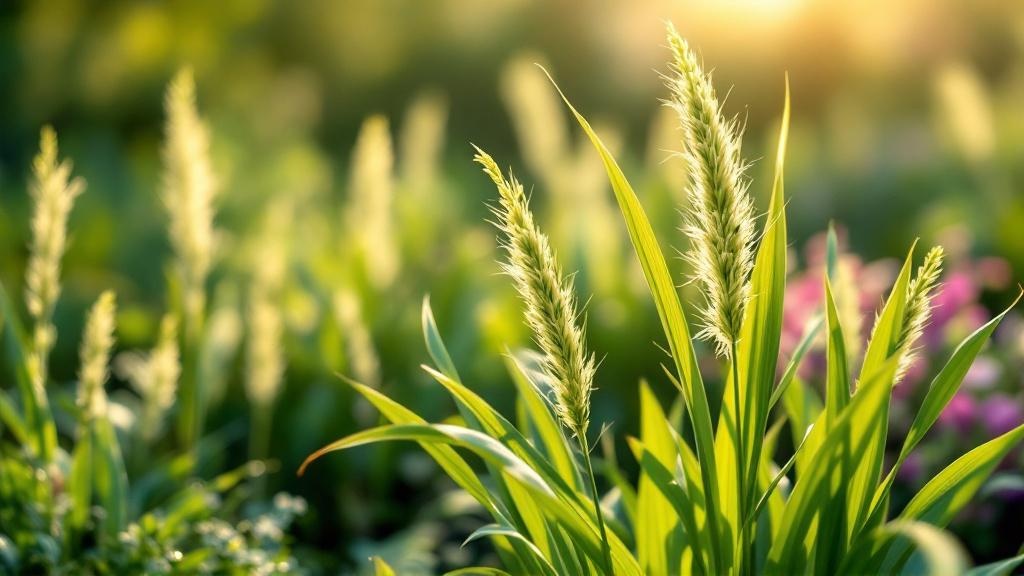
Feather Reed Grass is one of the most reliable ornamental grasses for temperate gardens, loved for its elegant vertical form and feathery summer plumes that persist into winter. Gardeners often ask how to keep this grass looking its best year-round and when to cut it back. This cool-season grass thrives in USDA zones 5-8, making it ideal for Central European, UK, and Northern US gardens where it adds movement and architectural interest from late spring through the coldest months.
Watering Your Feather Reed Grass
Water newly planted Feather Reed Grass deeply once per week during the first growing season to establish strong roots. Once established, this grass is remarkably drought-tolerant and typically only needs supplemental water during extended dry spells in July and August. Avoid overwatering, as consistently soggy soil can lead to root rot. In average temperate rainfall conditions, established plants rarely need additional irrigation.
Light Requirements for Optimal Growth
Feather Reed Grass performs best in full sun, receiving at least 6 hours of direct sunlight daily. It tolerates partial shade but may flop or produce fewer flower plumes in low-light conditions. In Northern UK or cooler Central European locations, choose the sunniest spot available for the most upright growth and abundant flowering from June onwards.
Soil and Repotting Needs
This adaptable grass thrives in most soil types, including heavy clay that challenges other ornamental grasses. It prefers moderately fertile, well-draining soil but tolerates poor conditions remarkably well. When planting in spring (late March to May), amend heavy clay with compost to improve drainage. Container-grown specimens should be divided and repotted every 3-4 years in early April.
Temperature and Humidity Preferences
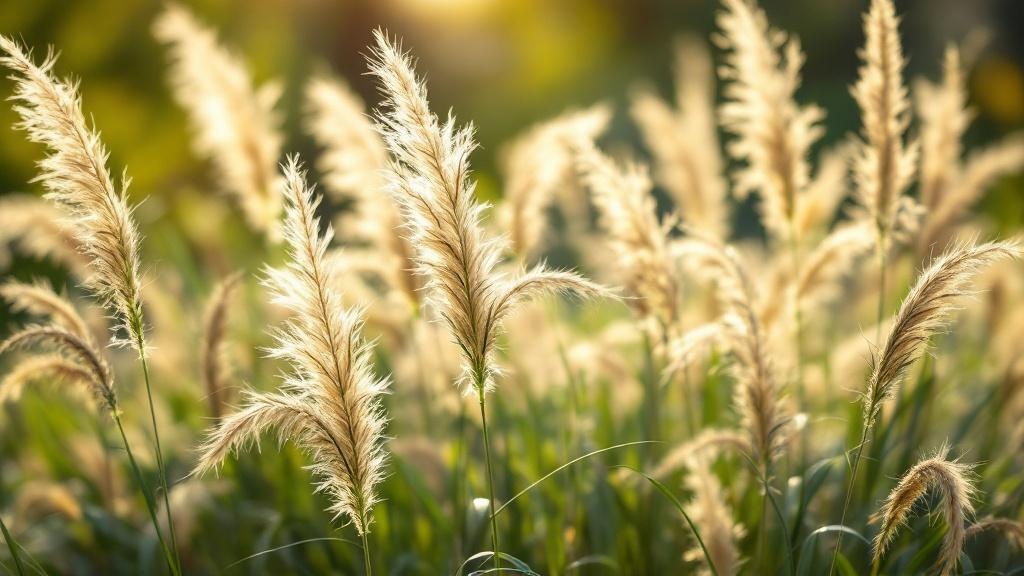
Feather Reed Grass is extremely cold-hardy, surviving temperatures down to minus 30°C without protection. It thrives in the variable conditions of temperate climates and handles humid summers without issue. Unlike warm-season grasses, it begins growing in cool spring weather and tolerates late frosts well. The dried foliage and seed heads remain attractive through winter, providing garden interest until the late February cutback.
Fertilizing for Healthy Growth
Feather Reed Grass has modest nutritional needs and often thrives without supplemental feeding. Apply a balanced slow-release granular fertilizer in early April as new growth emerges if your soil is particularly poor. Avoid high-nitrogen feeds, which encourage floppy growth and reduce the characteristic upright habit. A light top-dressing of compost in spring provides sufficient nutrients for most garden situations.
Common Problems and Solutions
Rust fungus can appear as orange pustules on leaves during humid summers; improve air circulation and remove affected foliage. Slugs and snails may target young spring shoots in damp conditions, particularly in UK gardens; use organic slug pellets or beer traps in April and May. Crown rot occurs in waterlogged soils; ensure adequate drainage, especially in clay-heavy ground. This grass is otherwise remarkably pest and disease resistant.
Frequently asked questions
How often should I water Feather Reed Grass?
Water established Feather Reed Grass only during prolonged dry spells, roughly every 2-3 weeks in drought conditions. New plantings need weekly deep watering during their first growing season. Once roots are established, this grass thrives on natural rainfall in most temperate climates.
When should I cut back Feather Reed Grass?
Cut back Feather Reed Grass in late February to early March, before new growth emerges. Trim the entire plant to 10-15 centimeters above ground level using sharp hedge shears or powered trimmers. Leaving the old growth through winter provides habitat for beneficial insects and visual interest during the dormant season.
Why is my Feather Reed Grass flopping over?
Flopping typically indicates too much shade or excessive nitrogen fertilization. Move container plants to sunnier locations, or avoid high-nitrogen feeds that promote weak, leggy growth. The cultivar Karl Foerster is particularly noted for its strong upright habit and rarely flops in proper conditions.
Is Feather Reed Grass invasive?
No, Feather Reed Grass is a clump-forming grass that stays where you plant it. Unlike running grasses, it expands slowly from its central crown and does not spread by underground rhizomes. This makes it an excellent choice for formal borders and mixed plantings without worrying about unwanted spreading.
When does Feather Reed Grass bloom?
Feather Reed Grass blooms earlier than most ornamental grasses, producing feathery pink-bronze plumes in June. The flowers mature to golden wheat-colored seed heads by late July that persist through winter. This extended display period makes it one of the longest-performing ornamental grasses in temperate gardens.