Japanese Blood Grass
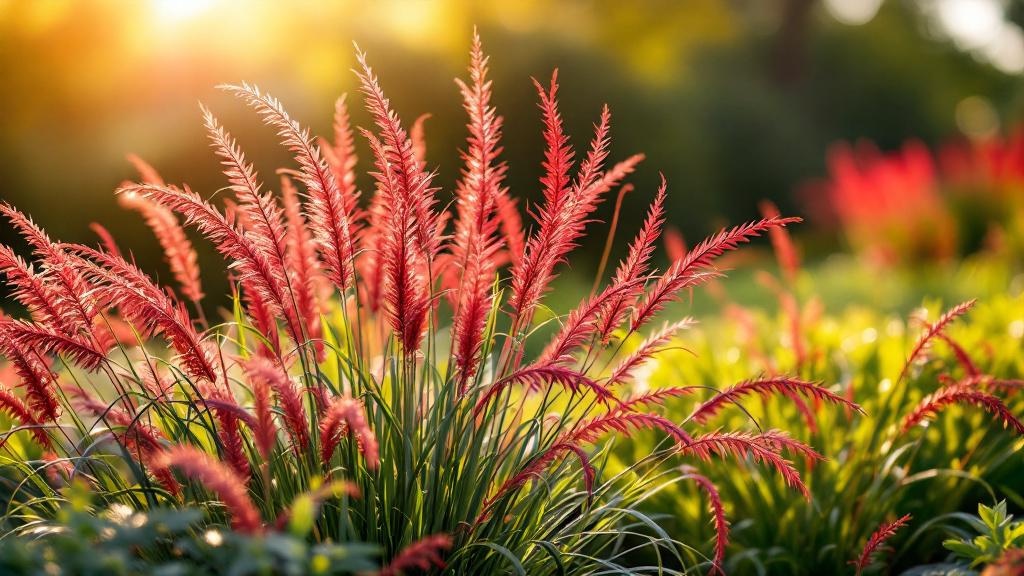
Japanese Blood Grass captivates gardeners with its dramatic color transformation — emerging green in spring, then deepening to intense crimson-red by late summer. The most common question gardeners ask is whether this grass survives cold winters. Good news: 'Red Baron' is hardy to USDA zone 5, making it perfect for Central European, UK, and Northern US gardens. Its compact size and non-invasive nature make it ideal for borders, containers, and mass plantings where its backlit foliage creates stunning visual effects.
Watering Japanese Blood Grass Correctly
Water deeply once per week during the growing season from April through September, allowing the top 2-3cm of soil to dry between waterings. In hot spells above 25C, increase to twice weekly. Reduce watering significantly from October onward as the plant enters dormancy. Overwatering in winter causes root rot, so only water dormant plants during prolonged dry spells.
Light Requirements for Vibrant Red Color
Full sun produces the most intense red coloration, with 6 or more hours of direct sunlight ideal. In partial shade (3-5 hours sun), foliage remains more green with less dramatic color change. Morning sun with afternoon shade works well in warmer zone 7-8 gardens. Position where low autumn sunlight can backlight the translucent red blades for maximum visual impact.
Soil and Repotting Needs
Plant in humus-rich, consistently moist but well-draining soil with a pH of 5.5-7.0. Amend heavy clay soils with compost and grit to improve drainage. For containers, use a quality multipurpose compost mixed with 20% perlite. Repot container plants every 2-3 years in early April, dividing if the clump becomes congested. In-ground plants rarely need dividing but benefit from compost mulching each spring.
Temperature and Humidity Preferences
Japanese Blood Grass tolerates temperatures from minus 20C to 35C, thriving in typical temperate conditions. Apply a 5-8cm layer of mulch (bark chips or straw) in late November to protect roots during harsh winters. Remove winter mulch in mid-March as new growth emerges. Average household humidity is fine for container plants; no misting required.
Fertilizing for Healthy Growth
Apply a balanced slow-release granular fertilizer (NPK 10-10-10) in mid-April as new growth appears. A second light application in June supports summer growth. Avoid high-nitrogen feeds which promote green growth at the expense of red coloration. Container plants benefit from liquid fertilizer at half-strength every 3-4 weeks from May to August.
Common Problems and Solutions
Aphids occasionally cluster on new spring growth in May; blast them off with water or apply neem oil spray. Rust fungus appears as orange-brown pustules on leaves during wet summers — remove affected foliage and improve air circulation. Root rot from waterlogged winter soil causes yellowing and collapse; ensure drainage and reduce watering from October. Slugs may damage young spring shoots; use organic slug pellets or copper tape barriers in March and April.
Frequently asked questions
How often should I water Japanese Blood Grass?
Water Japanese Blood Grass once weekly during the growing season from April to September. Allow the top few centimeters of soil to dry between waterings. Reduce to occasional watering in winter only during extended dry periods.
Why is my Japanese Blood Grass not turning red?
Insufficient sunlight is the main reason Japanese Blood Grass stays green. The red pigmentation requires at least 6 hours of direct sun daily. Move container plants to a sunnier spot, or transplant in-ground specimens in autumn to a location with better sun exposure.
Is Japanese Blood Grass invasive?
The 'Red Baron' cultivar is not invasive and spreads slowly through short rhizomes. Unlike the wild species which is highly invasive in warmer climates, this cultivated variety is well-behaved in temperate zone 5-8 gardens. It typically forms clumps 30-45cm wide over several years.
When should I cut back Japanese Blood Grass?
Cut back Japanese Blood Grass in late February to early March before new growth emerges. Trim the previous year's foliage down to 5-10cm above ground level using sharp secateurs. Avoid autumn cutting as the dried foliage provides winter crown protection.
Is Japanese Blood Grass toxic to cats and dogs?
Japanese Blood Grass is non-toxic to cats and dogs. It is considered a pet-safe ornamental grass, making it a good choice for gardens where pets roam. However, ingesting large amounts of any grass may cause mild stomach upset in pets.