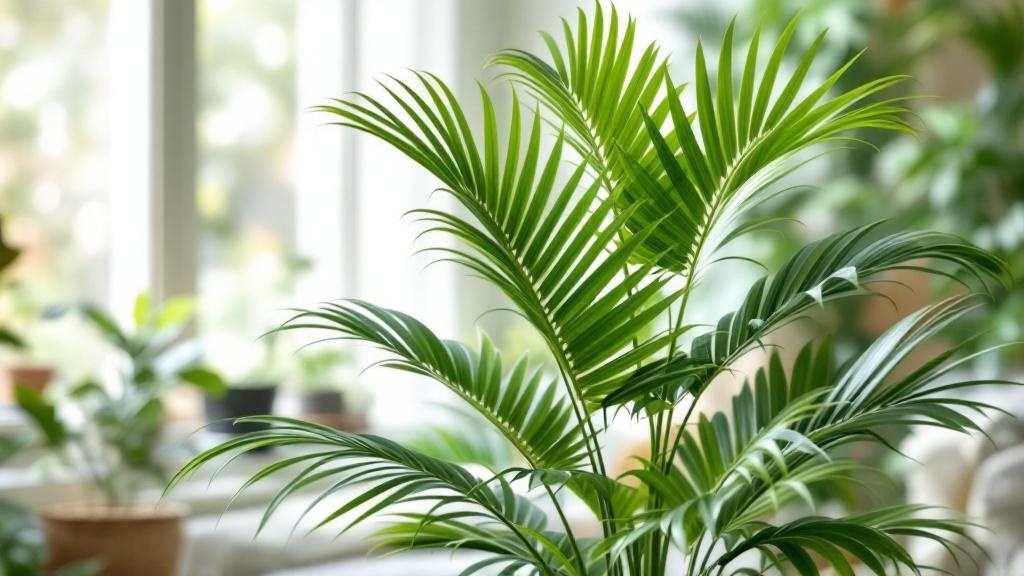
Areca Palm
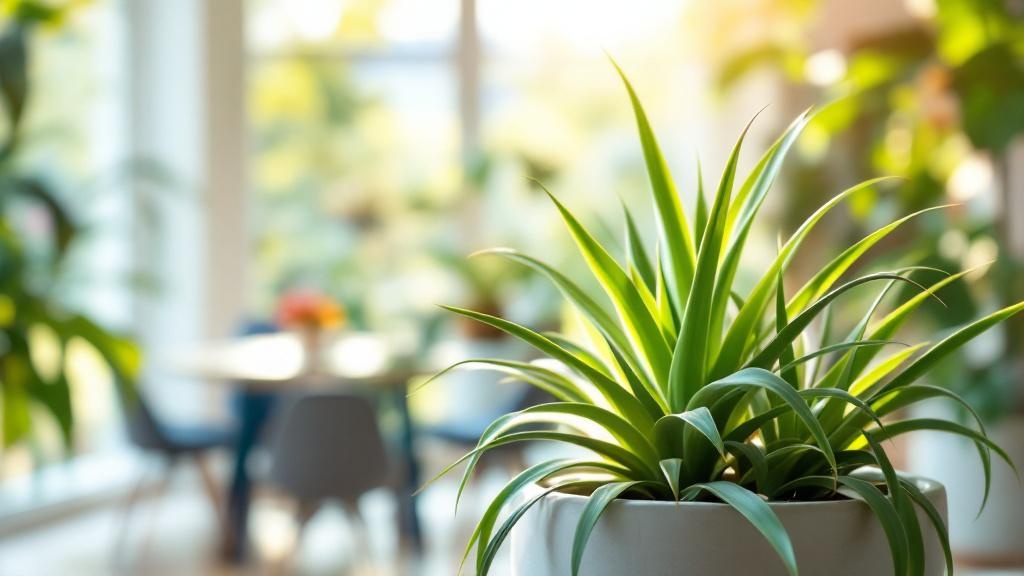
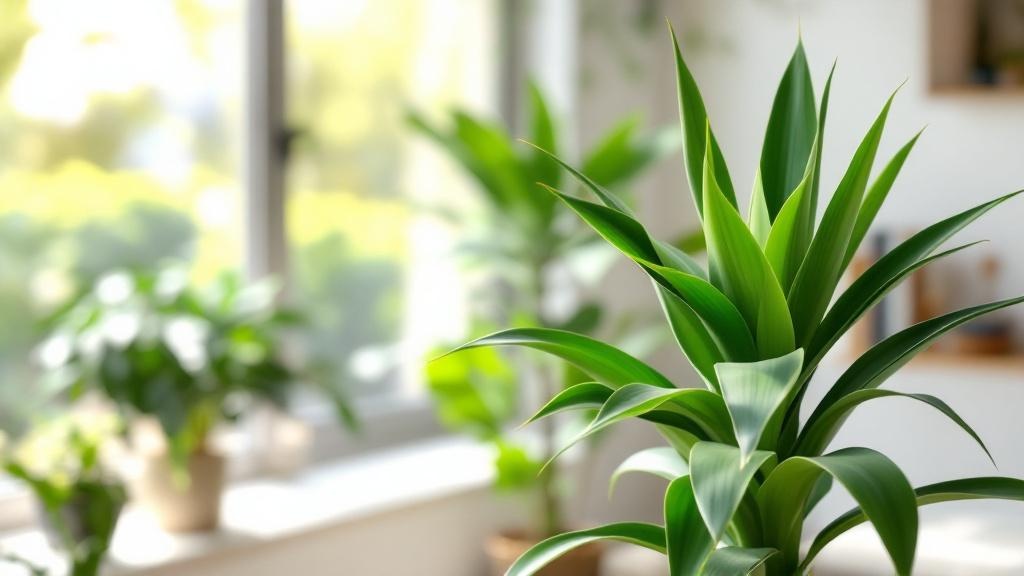
The Areca Palm brings a lush, tropical feel to any room with its feathery, arching fronds. Native to Madagascar, this popular houseplant has earned its place in homes across temperate regions for its air-purifying qualities and elegant appearance. The most common question plant owners ask is why their Areca Palm's tips are turning brown — usually a sign of low humidity or inconsistent watering, both easily fixable with the right care routine.
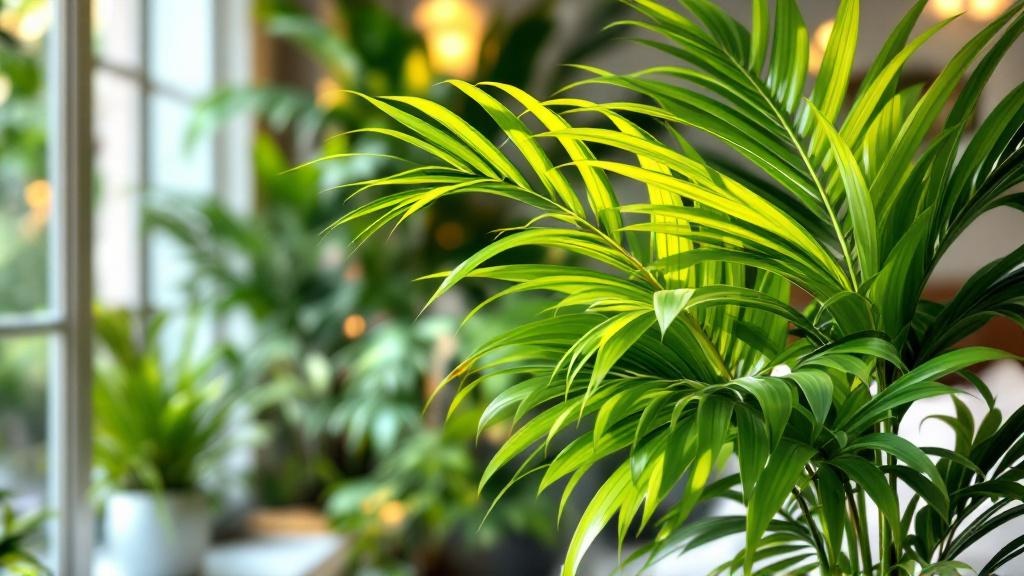
Watering Your Areca Palm Correctly
Water your Areca Palm when the top 3-5cm of soil feels dry, typically every 7-10 days in spring and summer. In winter (November through February), reduce watering to every 14-18 days as growth slows. Always use room-temperature water and empty the saucer after 30 minutes to prevent root rot. Areca Palms are sensitive to fluoride and chlorine, so letting tap water sit overnight or using filtered water helps prevent leaf tip burn.
Light Requirements for Healthy Fronds
Areca Palms thrive in bright, indirect light — an east or west-facing window is ideal in temperate homes. They tolerate lower light conditions but will grow more slowly and produce fewer fronds. Avoid direct afternoon sun, especially during summer months (June through August), as this scorches the delicate leaves. If your Areca is leaning toward the light source, rotate the pot a quarter turn every two weeks for even growth.
Soil and Repotting Guidelines
Use a well-draining potting mix combining regular houseplant compost with perlite and coarse sand in a 2:1:1 ratio. Areca Palms prefer being slightly rootbound, so only repot when roots emerge from drainage holes, typically every 2-3 years. The best time to repot in temperate climates is late March through May when the plant enters active growth. Choose a pot only 5cm larger than the current one, with adequate drainage holes.
Temperature and Humidity Needs
Keep your Areca Palm in temperatures between 18-24°C year-round, never below 15°C. In temperate homes, the biggest challenge is dry winter air from central heating — Areca Palms need 40-60% humidity to thrive. Group plants together, use a pebble tray with water, or run a humidifier from October through March. Keep your palm away from radiators, draughty windows, and exterior doors during cold months.
Fertilizing for Lush Growth
Feed your Areca Palm every 3-4 weeks from April through September with a balanced liquid houseplant fertilizer diluted to half strength. Stop fertilizing entirely from October through March when growth naturally slows. Over-fertilizing causes salt buildup that burns root tips and leads to brown leaf edges. Flush the soil with plain water every 2-3 months during the growing season to prevent mineral accumulation.
Common Problems and Solutions
Brown leaf tips are the most frequent issue, caused by low humidity, inconsistent watering, or fluoride in tap water — increase humidity and switch to filtered water. Spider mites thrive in dry indoor air during winter; check the undersides of fronds regularly and treat with insecticidal soap if you spot fine webbing. Yellow fronds at the base are normal as older leaves age, but widespread yellowing indicates overwatering or poor drainage. Scale insects occasionally appear as brown bumps along stems; wipe them off with rubbing alcohol on a cotton pad.
Frequently asked questions
How often should I water my Areca Palm?
Water your Areca Palm every 7-10 days in spring and summer, and every 14-18 days in winter. Always check that the top 3-5cm of soil is dry before watering. Consistent moisture without waterlogging is the key to healthy fronds.
Why are my Areca Palm leaves turning yellow?
Yellow leaves on an Areca Palm most commonly indicate overwatering or poor drainage. Check that your pot has drainage holes and reduce watering frequency. If only the lower, older fronds are yellowing, this is normal leaf aging and nothing to worry about.
Is Areca Palm toxic to cats?
No, the Areca Palm is non-toxic to cats, dogs, and humans, making it an excellent pet-safe houseplant choice. While ingesting large amounts of any plant material may cause mild stomach upset in pets, the Areca poses no serious toxicity risk.
Why does my Areca Palm have brown tips?
Brown tips on Areca Palm fronds are usually caused by low humidity, inconsistent watering, or chemicals in tap water. Increase humidity around your plant, water on a regular schedule, and consider using filtered or rainwater. Trim the brown tips with clean scissors for a tidier appearance.
How big does an Areca Palm grow indoors?
Indoors in temperate climates, Areca Palms typically reach 1.5-2.5 metres in height over several years. Growth is relatively slow, adding 15-25cm per year under good conditions. You can control size by keeping the plant slightly rootbound and limiting fertilizer.