Fennel
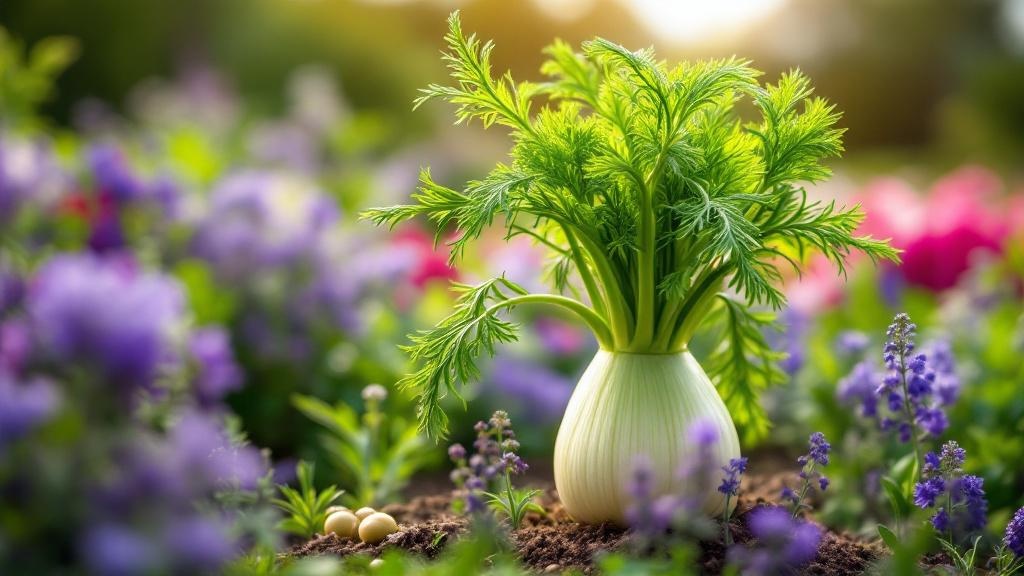
Fennel brings Mediterranean flavor to temperate gardens with its crisp, licorice-scented bulbs and feathery fronds. Whether you are growing bulbing Florence fennel for salads or herb fennel for its aromatic seeds, this cool-season crop thrives in USDA zones 5-8 with proper timing. The most common question gardeners ask is why their fennel bolts before forming bulbs — and timing is everything. Plant too late in spring or during summer heat, and you will get flowers instead of the plump white bulbs you are hoping for.
Watering Fennel for Bulb Development
Fennel needs consistent moisture to develop tender, sweet bulbs — aim for about 2.5 cm of water weekly through rain or irrigation. Water deeply every 5-7 days rather than frequent shallow watering, allowing the top 3 cm of soil to dry between sessions. Inconsistent watering causes bulbs to become tough and fibrous or triggers premature bolting. Mulch around plants in June to retain soil moisture during warmer spells.
Light Requirements for Healthy Fennel Growth
Fennel thrives in full sun, requiring at least 6 hours of direct sunlight daily for optimal bulb formation. In zones 7-8, some afternoon shade during July and August can help prevent bolting in unusually warm summers. Avoid planting in areas shaded by taller crops, as insufficient light produces leggy plants with underdeveloped bulbs. South-facing garden beds are ideal in UK and Northern European climates.
Soil Preparation and Transplanting Fennel
Fennel prefers rich, well-draining soil with a pH between 6.0 and 7.0. Work in 5-7 cm of well-rotted compost before planting in mid-April to early May, or in late July for an autumn harvest. Space plants 25-30 cm apart and hill soil around bulbs as they develop, similar to leeks, to blanch them white and mild. Fennel has a long taproot and resents transplanting, so direct sow or use biodegradable pots if starting indoors.
Temperature and Humidity Needs
Fennel grows best in cool conditions between 15-21°C, making spring and autumn ideal growing seasons in temperate climates. Plants bolt quickly when temperatures consistently exceed 24°C, which is why late spring plantings often fail. Sow seeds outdoors from mid-April once soil reaches 10°C, or start a second crop in late July for harvest before the first hard frosts in October. Fennel tolerates light frost but should be harvested before sustained freezing.
Feeding Fennel Through the Season
Apply a balanced organic fertilizer (such as 5-5-5) at planting time, working it into the top 10 cm of soil. Side-dress with compost or a nitrogen-light feed in mid-June when bulbs begin swelling — too much nitrogen promotes leafy growth at the expense of bulbs. Container-grown fennel benefits from diluted liquid seaweed feed every 3 weeks. Avoid fertilizing after August for autumn crops, as tender new growth is vulnerable to early frost damage.
Common Fennel Problems and Solutions
Aphids cluster on fennel's feathery fronds from May onwards — blast them off with water or apply insecticidal soap if infestations are heavy. Slugs and snails target young seedlings in damp spring weather; use beer traps or organic slug pellets around transplants in April and May. Bolting is the most frustrating issue and is caused by heat stress, transplant shock, or inconsistent watering — prevent it by direct sowing at the right time and maintaining even soil moisture throughout the growing season.
Frequently asked questions
How often should I water fennel?
Water fennel deeply every 5-7 days to keep soil consistently moist but not waterlogged. The key is even moisture — irregular watering causes tough bulbs and premature bolting. During dry spells in June and July, you may need to water twice weekly.
Why is my fennel bolting before forming bulbs?
Fennel bolts when stressed by heat, drought, or root disturbance during transplanting. This happens most often when plants are sown too late in spring and mature during summer heat. Prevent bolting by direct sowing in mid-April or planting a late summer crop in July for autumn harvest.
When should I harvest fennel bulbs?
Harvest fennel bulbs when they reach 7-10 cm in diameter, typically 80-100 days after sowing. Cut the bulb at soil level in the morning when it is most crisp and hydrated. In temperate climates, expect spring-sown fennel ready by late July and autumn crops by October.
Is fennel toxic to cats or dogs?
Fennel is not toxic to cats or dogs and is actually used in some pet digestive supplements. However, eating large quantities of any plant material may cause mild stomach upset in pets. The biggest risk is the plant's feathery appearance attracting curious nibblers.
Can I grow fennel in containers?
Yes, fennel grows well in containers at least 30 cm deep to accommodate its taproot. Use a quality potting mix with added perlite for drainage and water more frequently than garden plants, as containers dry out faster. Choose a sunny balcony or patio spot and expect slightly smaller bulbs than ground-grown plants.