Parsnip
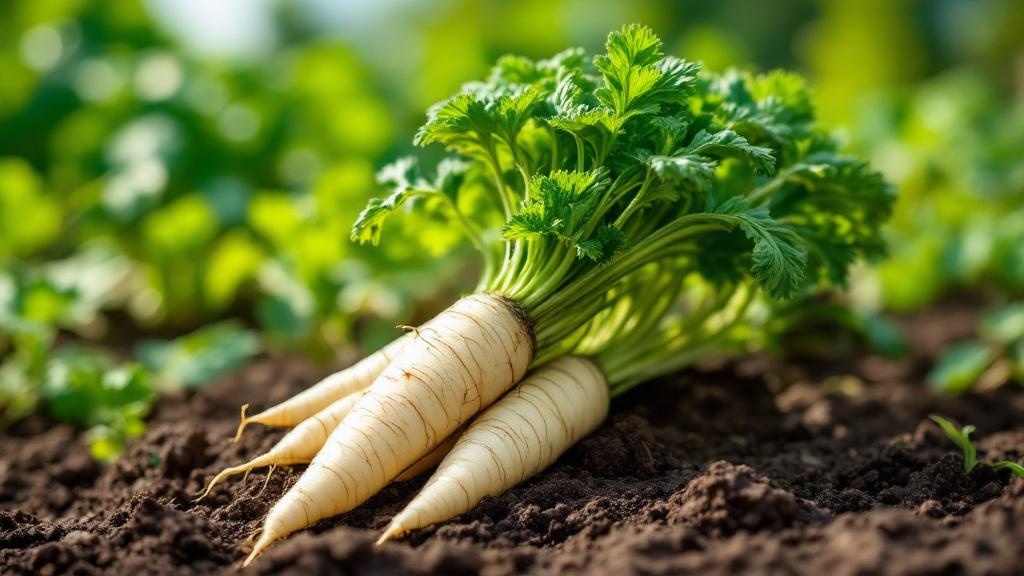
Parsnips reward patient gardeners with some of the sweetest, most flavorful roots you can grow. The most common question home growers ask is why their parsnips fail to germinate — and the answer lies in seed freshness and soil temperature. These biennials need a long growing season of 100-130 days, but once established, they practically care for themselves and actually taste better after experiencing frost in late autumn.
Watering Your Parsnips for Steady Growth
Water deeply once per week, providing about 2-3 cm of water to encourage roots to grow downward rather than forking. Consistent moisture is crucial during the first 8 weeks after germination when roots are establishing. Reduce watering in September as plants mature, but never let soil crack dry as this causes woody, split roots.
Light Requirements for Healthy Parsnip Development
Parsnips perform best in full sun with at least 6 hours of direct light daily. In warmer parts of Zone 8, light afternoon shade can prevent bolting during unexpected warm spells in late spring. Avoid planting in areas shaded by taller crops like sweetcorn or runner beans.
Soil Preparation and Bed Management
Prepare beds in early March by digging at least 30-40 cm deep and removing all stones — even small pebbles cause forked roots. Avoid freshly manured soil which promotes forking; instead, plant where nitrogen-fixing crops grew the previous year. Sandy loam with a pH of 6.0-6.8 is ideal, and raised beds work excellently for heavy clay gardens.
Temperature Tolerance and Growing Season
Sow seeds outdoors from mid-March to May when soil reaches at least 10°C — germination takes 14-28 days and is notoriously erratic below this temperature. Parsnips are remarkably frost-hardy and can be left in the ground through winter in Zones 5-8, harvested as needed until March. A few hard frosts in November actually convert starches to sugars, dramatically improving flavor.
Fertilizing for Root Development
Apply a low-nitrogen fertilizer like fish bone meal at sowing time, working it into the top 10 cm of soil. Avoid high-nitrogen feeds which promote leafy tops at the expense of roots. A light side-dressing of wood ash in July provides potassium for root sweetness. No additional feeding is needed after midsummer.
Common Problems and Regional Pests
Carrot root fly is the primary pest in temperate climates — cover beds with fine mesh netting immediately after sowing and keep it on until harvest. Canker appears as orange-brown rotting patches on root shoulders, prevented by earthing up soil around crowns in August and choosing resistant varieties like Javelin. Parsnip leaf miner creates brown blotches on foliage in June-July but rarely affects root quality significantly.
Frequently asked questions
Why won't my parsnip seeds germinate?
Parsnip seeds have notoriously short viability and must be fresh — always buy new seeds each year. Seeds also require consistent soil moisture and temperatures above 10°C, which is why April sowings often outperform March sowings in cooler regions. Try pre-soaking seeds for 24 hours and covering rows with fleece to retain warmth.
When should I harvest parsnips in the UK?
Harvest parsnips from late October onwards, ideally after the first hard frosts which sweeten the roots. You can leave them in the ground all winter and dig as needed through to early March. Mulch with straw in December if heavy freezes are expected to make digging easier.
Why are my parsnips forked or misshapen?
Forking occurs when roots hit stones, fresh manure, or compacted soil layers. Always prepare beds deeply and remove all debris before sowing. Adding sand to heavy clay and avoiding recent manure applications will produce straighter roots.
How long do parsnips take to grow from seed?
Parsnips take 100-130 days from sowing to harvest, one of the longest growing seasons of any vegetable. Germination alone can take 2-4 weeks, so patience is essential. Sow by late May at the latest to allow enough growing time before winter harvest.
Can I grow parsnips in containers?
Yes, but you need containers at least 45 cm deep for full-sized roots. Choose shorter varieties like Gladiator or Tender and True for container growing. Use a stone-free compost mixed with sand and never let pots dry out completely during summer.
🩺 Common diseases and pests
These problems commonly affect this plant. Click any to see full symptom descriptions, organic and chemical treatment, and prevention.