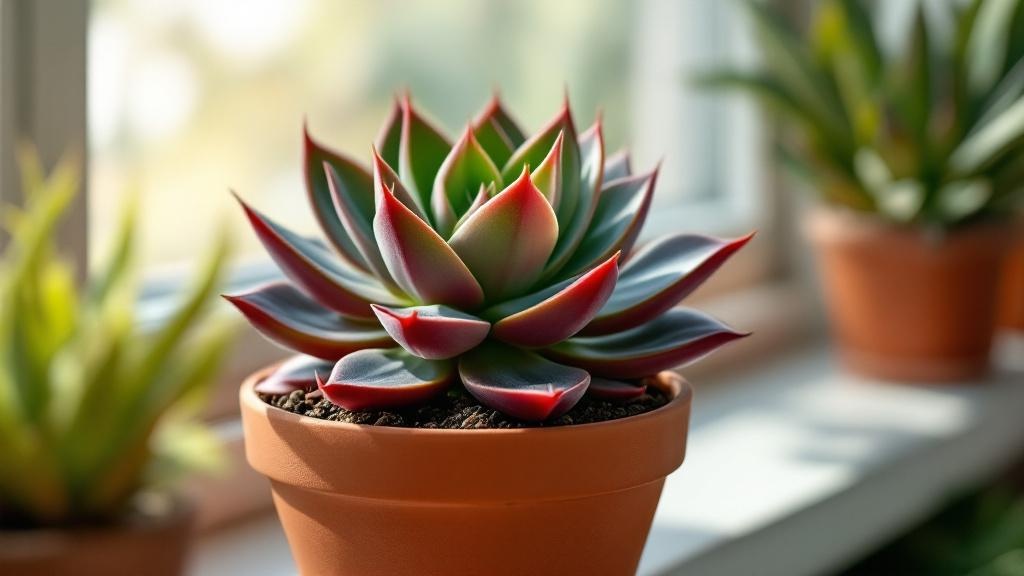
Chrysanthemum
Chrysanthemums are beloved for their explosion of color in autumn when most gardens are fading. Whether you're keeping a potted mum indoors or planting in the garden, these cheerful flowers thrive in temperate climates with the right conditions. The most common question gardeners ask is how to keep their chrysanthemums blooming longer and encourage bushier, fuller plants.
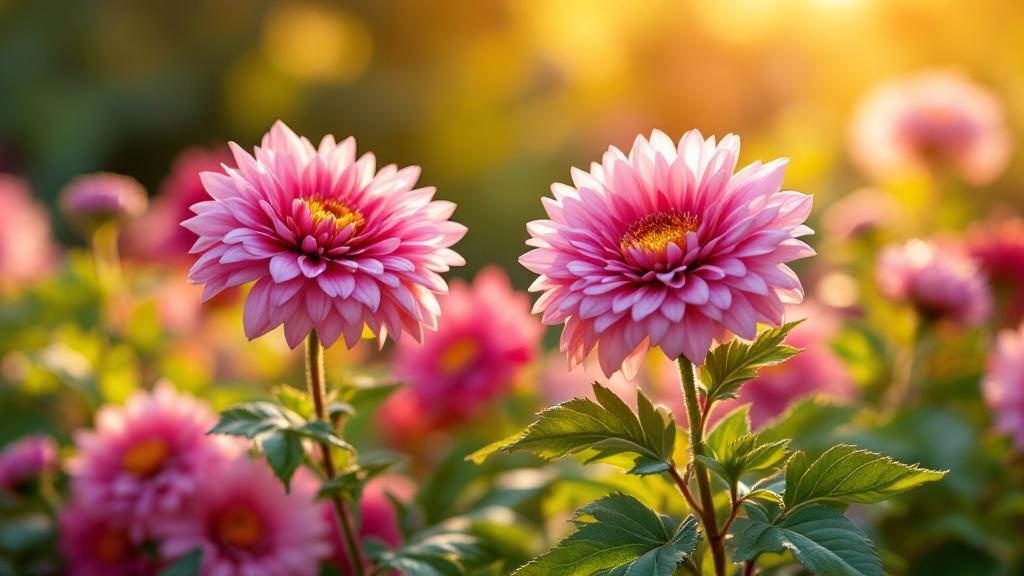
Watering chrysanthemums properly
Water chrysanthemums every 2-3 days when the top inch of soil feels dry, adjusting for rainfall if planted outdoors. In late summer and autumn when they're budding and blooming, consistent moisture is critical to support flower development. Never let soil dry out completely, but equally avoid waterlogging which causes root rot. Reduce watering slightly in winter dormancy.
Light requirements for best blooms
Chrysanthemums need at least 6-8 hours of direct sunlight daily to flower prolifically. Indoors, place potted mums on a south or west-facing windowsill. Outdoors, give them a spot that receives full sun for most of the day. Insufficient light leads to weak stems and fewer flowers; even short-day photoperiods in autumn naturally trigger their flowering response.
Soil and repotting guidance
Use well-draining potting soil enriched with organic matter for container mums; poor drainage is their main killer indoors. In gardens, amend heavy clay with compost to improve drainage. Repot potted chrysanthemums in spring if they've outgrown their pot, moving to one size larger. For long-term perennials in your garden, divide clumps in April to rejuvenate them every 2-3 years.
Temperature and humidity care
Chrysanthemums thrive in cool conditions between 15-21°C and tolerate temperatures down to 10°C, making them ideal for autumn and early winter in temperate regions. They prefer moderate humidity; indoors, mist occasionally if your heating dries the air. Outdoors in September through November, natural humidity levels usually suit them perfectly. Avoid placing near hot radiators which shorten flowering time.
Fertilizing for strong growth and flowers
Feed chrysanthemums weekly with a balanced liquid fertilizer (10-10-10) from June through August to encourage bushy growth. In late August and September, switch to a flowering formula higher in phosphorus (e.g., 5-10-10) to boost blooms. Potted mums benefit from regular feeding every 7-10 days during their active growth; garden varieties need feeding monthly during the growing season. Stop fertilizing once heavy flowering begins.
Common chrysanthemum problems and solutions
Powdery mildew appears as white coating on leaves in humid conditions; improve air circulation and avoid wetting foliage. Aphids cluster on new growth, especially indoors; spray with soapy water or neem oil in early morning. Yellowing lower leaves and weak stems usually signal poor drainage or overwatering; repot into fresh, dry soil and let the plant recover. In temperate regions, slugs and vine weevils are occasional garden pests controlled with beer traps or organic pest barriers.
Frequently asked questions
How often should I water chrysanthemums?
Water every 2-3 days when the top inch of soil is dry, maintaining consistently moist but not waterlogged soil. During blooming in autumn, steady moisture supports flower production; in winter dormancy, reduce frequency slightly.
Why are my chrysanthemum leaves turning yellow?
Yellow lower leaves usually indicate overwatering or poor drainage causing root stress. Check soil moisture, improve drainage by repotting if needed, and ensure pots have drainage holes. Nutrient deficiency is less common but can also cause yellowing; apply balanced fertilizer if the plant otherwise looks healthy.
Can I keep my chrysanthemum plant alive through winter?
Yes, hardy garden varieties survive winter outdoors in zones 5-8 with proper care. Reduce watering in late autumn, allow foliage to die back naturally, and cut stems to 15cm above ground in late November. Potted mums are trickier indoors; move to a cool room (10-15°C), reduce watering, and they may re-sprout in spring with less vigor.
How do I make chrysanthemums bushier and fuller?
Pinch out the growing tips every 2 weeks from June until late August to encourage branching and a compact shape. Stop pinching by the end of August so the plant has time to form buds before autumn blooming. Avoid pinching after mid-August or you'll delay or prevent flowering.
Are chrysanthemums toxic to cats and dogs?
Yes, chrysanthemums are mildly toxic to cats and dogs and may cause digestive upset, drooling, or skin irritation if ingested. Keep plants out of reach of pets, especially curious chewers. Contact a vet if your pet shows signs of illness after exposure.
🩺 Common diseases and pests
These problems commonly affect this plant. Click any to see full symptom descriptions, organic and chemical treatment, and prevention.