Phalaenopsis Orchid
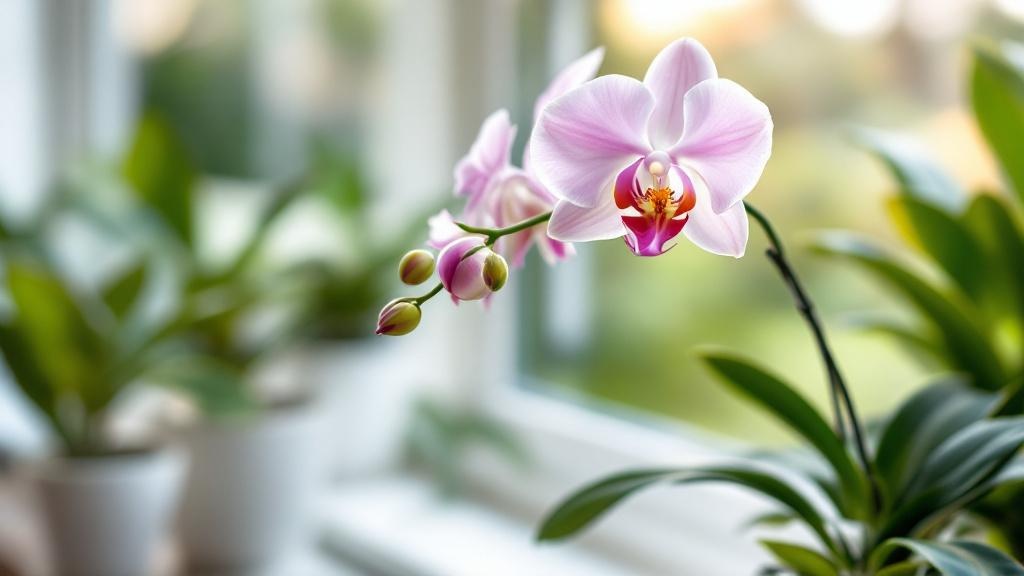
Phalaenopsis orchids, often called moth orchids, are among the easiest orchids to grow indoors and remain the most popular houseplant variety. Their graceful arching stems produce stunning blooms that last for weeks or months, making them a favorite gift and decorator's choice. The biggest question home gardeners ask is how to keep them blooming indoors without a greenhouse—and the answer lies in understanding their light and watering needs.
Watering Your Phalaenopsis Orchid
Water every 7-10 days in the growing season (spring through early autumn), allowing the bark-based potting mix to dry slightly between waterings. Reduce watering in winter to every 10-14 days or when the medium feels dry to the touch. Use room-temperature, preferably distilled or rainwater, and water in the morning to allow excess moisture to evaporate. Never let the roots sit in standing water, as this quickly leads to root rot—the most common cause of orchid failure in temperate homes.
Light Requirements for Healthy Growth
Phalaenopsis orchids thrive in bright, indirect light—an east or west-facing window is ideal in temperate climates. They need 8-12 hours of indirect sunlight daily; south-facing windows work if you filter afternoon sun with a sheer curtain to prevent leaf scorch. In winter, when daylight is limited, move plants closer to the window or supplement with a grow light placed 30 cm above the foliage. Insufficient light is the main reason orchids fail to flower, so adequate brightness is your first step to blooms.
Soil and Repotting
Phalaenopsis orchids require specialist orchid bark potting mix, never standard houseplant soil, as their roots need excellent drainage and air circulation. Repot in spring every 2-3 years when the potting medium breaks down or the plant becomes top-heavy—use a clear or semi-transparent pot so you can monitor root health. Choose a pot only slightly larger than the previous one (1-2 cm wider) and ensure drainage holes are present. Avoid repotting while the plant is blooming, as this can cause flower drop.
Temperature and Humidity Control
Maintain temperatures between 18-27°C, with a 5-degree drop at night to encourage flowering. Avoid placing orchids near heating vents, cold drafts, or radiators, as fluctuations stress the plant. Humidity of 50-70% is ideal; in dry temperate homes, mist leaves lightly 2-3 times weekly or place the pot on a pebble tray with water. Ensure air circulation with a small fan on low setting to prevent fungal issues common in stagnant, humid conditions.
Fertilizing Your Orchid
Feed with a balanced orchid fertilizer (such as a 20-20-20 formula) diluted to half strength every 2-3 weeks during the growing season (March to September). Reduce feeding in winter to once a month or stop entirely. Over-fertilizing causes salt buildup in the bark medium and damages roots, so less is better than more. Always water before applying fertilizer to avoid burning the roots.
Common Problems and Solutions
Root rot from overwatering is the most frequent issue—check roots regularly and repot if they're brown and mushy rather than firm and green. Yellow leaves can signal overwatering, cold exposure, or age (lower leaves naturally drop); adjust your watering and check temperatures. Bud blast (flower buds drop before opening) occurs from temperature fluctuations, low humidity, or moving the plant while flowering; keep conditions stable and leave the plant undisturbed once buds form. Spider mites and mealybugs may appear indoors in temperate climates; treat with insecticidal soap or neem oil if spotted.
Frequently asked questions
How often should I water my Phalaenopsis orchid?
Water every 7-10 days in spring and summer, allowing the bark mix to dry slightly between waterings. In winter, reduce to every 10-14 days. Always use room-temperature water and ensure the pot drains fully to prevent root rot.
Why are my orchid leaves turning yellow?
Yellow leaves typically indicate overwatering, cold drafts, or natural aging of lower foliage. Check that your pot drains well and you're not watering more than once weekly. If the plant is otherwise healthy, simply remove the yellowed leaves.
Can I grow Phalaenopsis orchids without a greenhouse in a temperate climate?
Yes, absolutely—they're ideal for indoor windowsill growing. An east or west-facing window with bright, indirect light is perfect, and standard room temperatures (18-27°C) suit them well. A grow light helps during dark winter months if natural light is limited.
How do I get my orchid to bloom again?
Provide 8-12 hours of bright indirect light daily and maintain a 5-degree temperature drop at night—this cool period triggers flowering. Reduce watering slightly in winter (which also helps), and ensure humidity is 50% or higher. Most Phalaenopsis will rebloom within 3-6 months under these conditions.
Is Phalaenopsis orchid toxic to cats and dogs?
No, Phalaenopsis orchids are completely safe for cats, dogs, and other pets. You can display them anywhere in your home without worry about poisoning if your pet chews the leaves.
🩺 Common diseases and pests
These problems commonly affect this plant. Click any to see full symptom descriptions, organic and chemical treatment, and prevention.