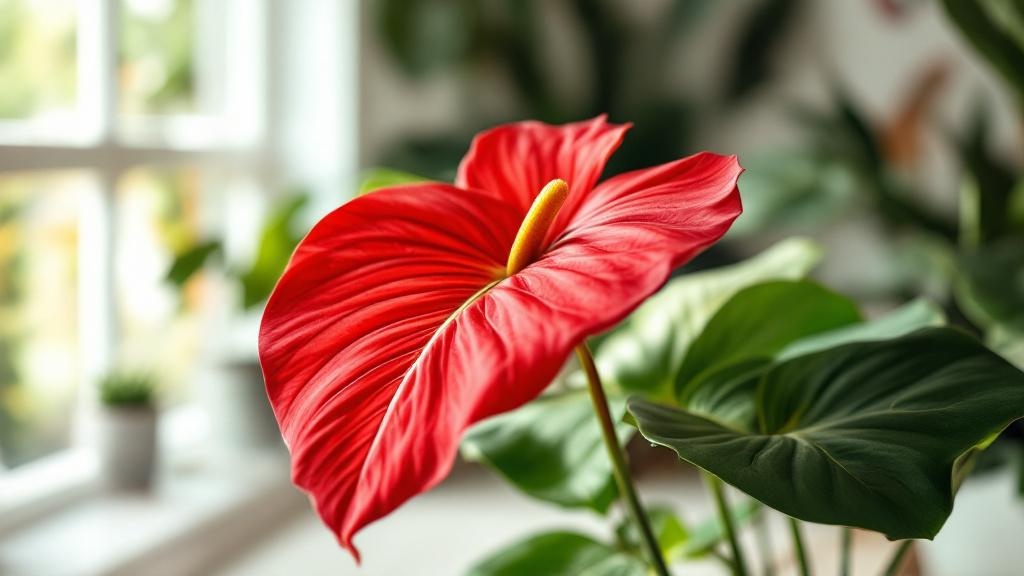
Scarlet Star
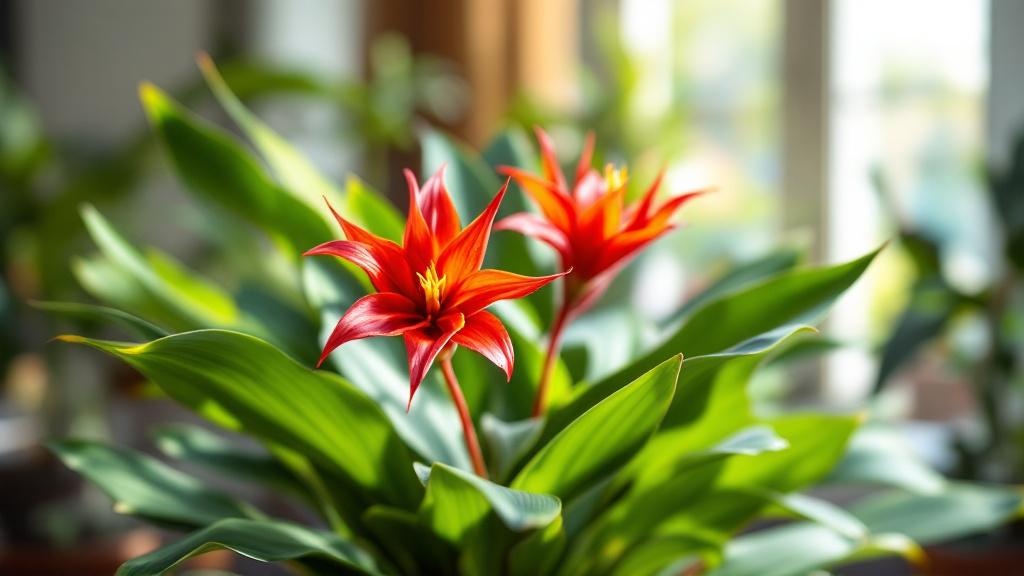
The Scarlet Star catches every eye with its brilliant red central bract that can last three to four months. Native to Central and South American rainforests, this bromeliad has become a favorite houseplant for adding tropical color to temperate homes. The most common question plant owners ask is how to water it correctly, since this plant drinks through its central cup rather than its roots like most houseplants.
Watering Your Scarlet Star the Right Way
Fill the central rosette cup with water and keep it topped up, emptying and refilling every 7-10 days to prevent stagnation. In temperate climates, reduce watering frequency from November through February when growth slows. Use rainwater, filtered water, or tap water left out overnight, as Guzmanias are sensitive to chlorine and hard water minerals. Keep the potting mix barely moist but never waterlogged.
Light Requirements for Healthy Growth
Place your Scarlet Star in bright indirect light, such as near an east-facing window or set back from a south-facing one. Direct summer sun will scorch the leaves, causing brown patches. During the darker months from October to March in temperate regions, you can move the plant closer to windows or supplement with a grow light for 10-12 hours daily.
Soil and Repotting Essentials
Use a fast-draining orchid bark mix or a dedicated bromeliad potting medium. Guzmanias have small root systems and rarely need repotting, but you may need to stabilize top-heavy plants with a slightly larger pot. When repotting offsets in spring (late April to May), choose containers only slightly larger than the root ball and ensure excellent drainage.
Temperature and Humidity Needs
Maintain temperatures between 18-27°C year-round, keeping plants away from cold drafts and radiators. In temperate homes, winter heating drops humidity drastically, so mist your Scarlet Star two to three times weekly or place it on a pebble tray with water. Bathrooms and kitchens often provide ideal humidity levels of 50-60%.
Fertilizing for Vibrant Color
Feed monthly during the active growing season from April through September using a balanced liquid fertilizer diluted to quarter strength. Apply to both the central cup and the potting mix. Avoid fertilizing from October through March when the plant rests. Never use copper-based fertilizers, as bromeliads are highly sensitive to copper toxicity.
Common Problems and Solutions
Scale insects and mealybugs are the most frequent pests on Scarlet Stars in temperate indoor environments. Wipe them off with a cotton swab dipped in rubbing alcohol and check leaf bases weekly. Brown leaf tips usually indicate low humidity or tap water mineral buildup. Root rot from overwatering the soil is common so ensure the pot drains freely and the mix never sits waterlogged.
Frequently asked questions
How often should I water my Scarlet Star plant?
Fill the central cup with water every 7-10 days and keep the soil barely moist. In winter, reduce to every 10-14 days as growth slows. Always use soft water and empty stale water from the cup before refilling.
Why is my Guzmania flower turning brown?
The flower bract naturally turns brown after 3-4 months as part of the plant's life cycle. This is normal and signals the mother plant will soon produce offsets called pups. You cannot revive the original bract, but the pups will eventually bloom in 2-3 years.
How do I get my Scarlet Star to bloom again?
The mother plant only blooms once and then gradually dies while producing offsets. Separate the pups when they reach one-third the size of the parent plant, typically in late spring. With proper care, these pups will bloom in two to four years.
Is Scarlet Star toxic to cats?
No, Scarlet Star is non-toxic to cats and dogs. This makes Guzmania an excellent choice for pet-friendly households. However, the central cup water can become stagnant and potentially upset a pet's stomach if consumed.
Why are my Guzmania leaves turning yellow?
Yellow leaves typically indicate overwatering the soil or exposure to direct sunlight. Check that the potting mix is not soggy and move the plant away from harsh light. Older lower leaves naturally yellow and can be removed at the base.