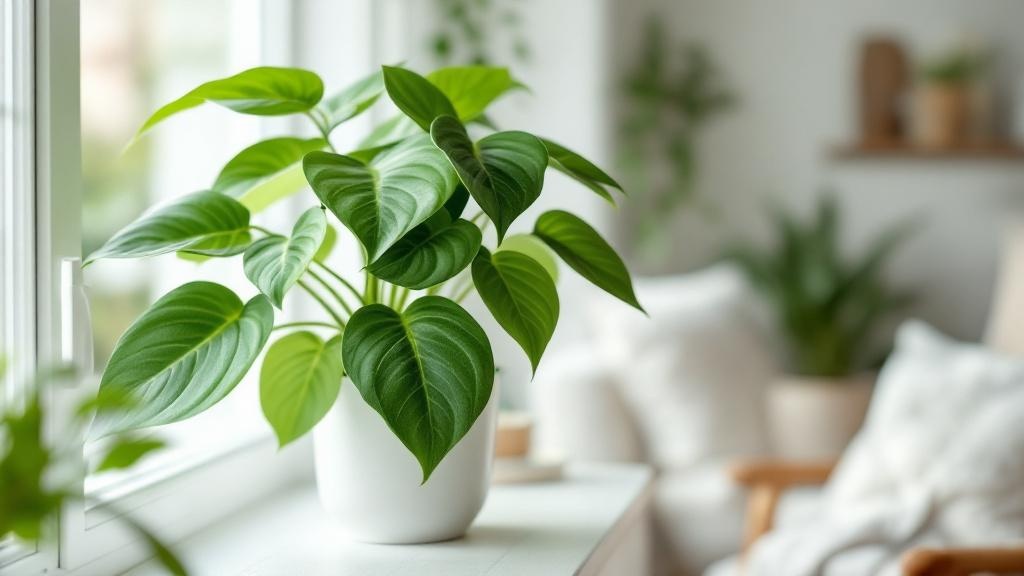
Pothos
Pothos, also called devil's ivy, is the go-to houseplant for anyone new to indoor gardening. Its trailing vines and heart-shaped leaves brighten any room, and it thrives even when neglected. The most common question new owners ask is how often to water it—and the answer might surprise you: less is more. This guide will help you keep your pothos healthy and lush.
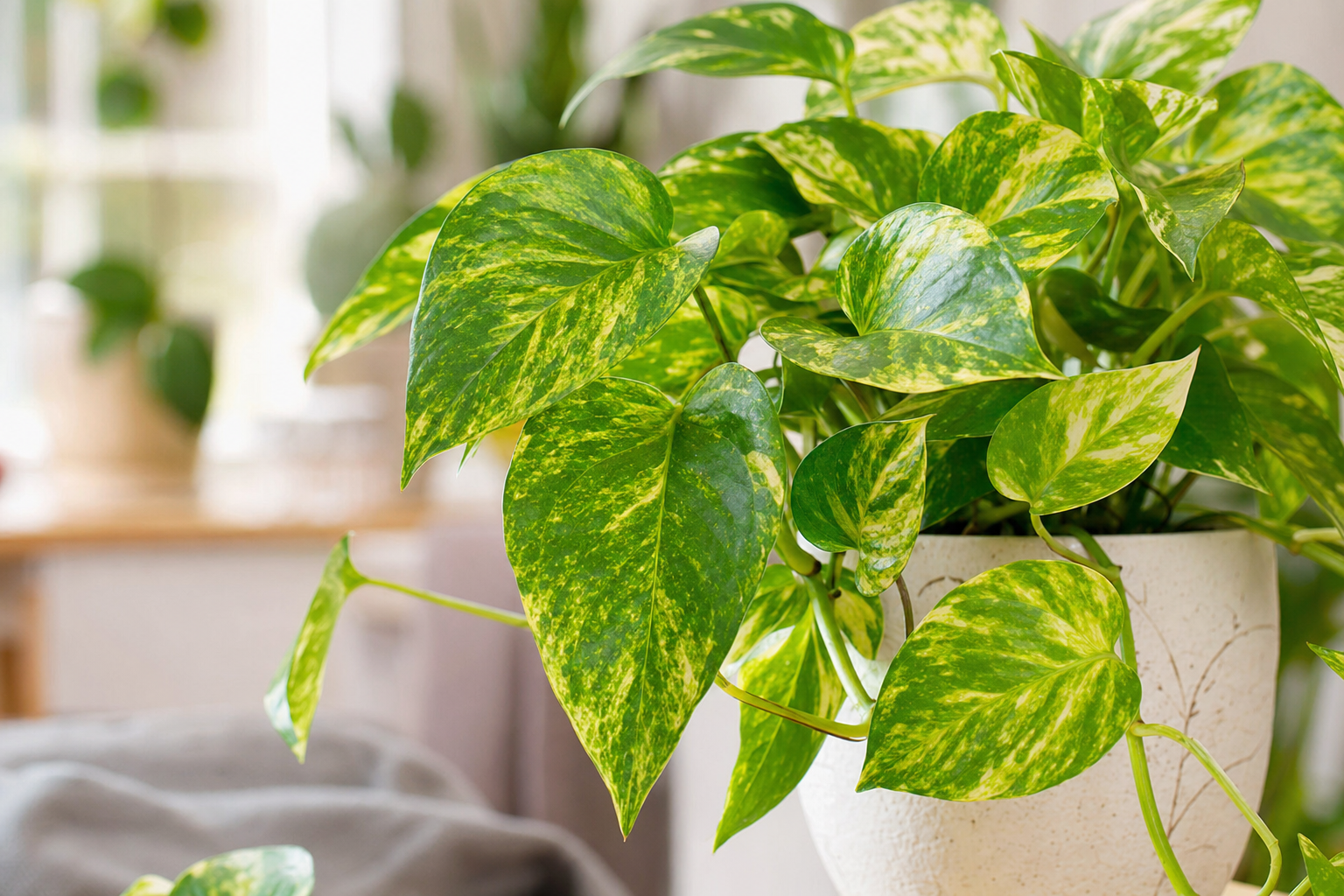
Watering Your Pothos
Water your pothos when the top inch of soil feels dry to the touch—this usually means every 7-10 days in warm months and every 10-14 days in winter. Overwatering is the most common mistake; pothos prefer to dry out slightly between waterings. In temperate climates, reduce watering significantly from November through February when growth slows. Check the soil with your finger before watering to avoid root rot.
Light Requirements for Pothos
Pothos thrives in bright, indirect light but is one of the few houseplants that genuinely tolerates low light conditions. Near an east or north-facing window is ideal; avoid direct afternoon sun, which can scorch leaves. In winter months (December-February in temperate zones), move your plant closer to a window to maximize available daylight. If your pothos develops long gaps between leaves, it's signaling for more light—move it closer to a window.
Soil and Repotting Needs
Use a well-draining potting mix that contains peat moss, coco coir, or perlite to prevent waterlogging. Repot your pothos every 18-24 months, ideally in late spring (April-May) before the active growing season. When repotting, choose a container only 1-2 inches larger than the current pot; excessive soil retains too much moisture. Pothos are not fussy about soil pH and adapt to most commercial potting mixes.
Temperature and Humidity
Keep pothos between 65-85°F (18-29°C); temperatures below 50°F (10°C) slow growth and increase disease risk. In temperate climates, move pothos away from cold drafts near windows during autumn and winter, and avoid placing them near heaters or air conditioning vents. While pothos tolerates average humidity, it appreciates occasional misting or wiping of leaves with a damp cloth. High humidity reduces dust buildup and helps prevent common spider mites.
Feeding and Fertilizing
Feed your pothos every 4-6 weeks from April through September with a balanced, diluted liquid fertilizer. Stop feeding during winter months (October-March) when growth naturally slows in temperate climates. Over-fertilizing causes salt buildup in soil and brown leaf tips—stick to half-strength doses if unsure. A slow-release granular fertilizer applied in spring is also effective and requires less monitoring.
Common Problems and Solutions
Yellow leaves usually signal overwatering or poor drainage; let soil dry out longer between waterings and check that your pot has drainage holes. Brown leaf tips indicate underwatering, low humidity, or fertilizer salt buildup—increase watering frequency and flush soil if needed. Spider mites and mealybugs are common pests in temperate homes during winter heating season; spray affected areas with neem oil or insecticidal soap every 7 days for 3 weeks. Stem rot from cold temperatures or constant wetness requires cutting back affected vines and repotting in fresh, dry soil.
Frequently asked questions
How often should I water pothos?
Water every 7-10 days in summer and 10-14 days in winter when the top inch of soil is dry. Pothos prefer to dry out slightly between waterings, so always check soil moisture with your finger before watering to avoid root rot.
Can pothos grow in low light?
Yes, pothos is one of the few houseplants that genuinely tolerates low light and low-humidity conditions. However, it grows faster and develops fuller foliage in bright, indirect light near a window.
Why are my pothos leaves turning yellow?
Yellow leaves almost always indicate overwatering or poor soil drainage. Let the soil dry out more between waterings, ensure your pot has drainage holes, and consider repotting into well-draining potting mix if the problem persists.
Is pothos toxic to cats and dogs?
Yes, pothos is mildly toxic to cats and dogs because it contains calcium oxalates. If your pet chews on leaves, they may experience mouth irritation or stomach upset; place the plant out of reach or contact your vet if ingestion occurs.
How do I encourage pothos to grow bushier?
Pinch off the growing tips regularly to encourage branching, and ensure the plant gets bright, indirect light. Feeding with balanced fertilizer every 4-6 weeks during spring and summer also promotes fuller, denser growth.
🩺 Common diseases and pests
These problems commonly affect this plant. Click any to see full symptom descriptions, organic and chemical treatment, and prevention.