Dill
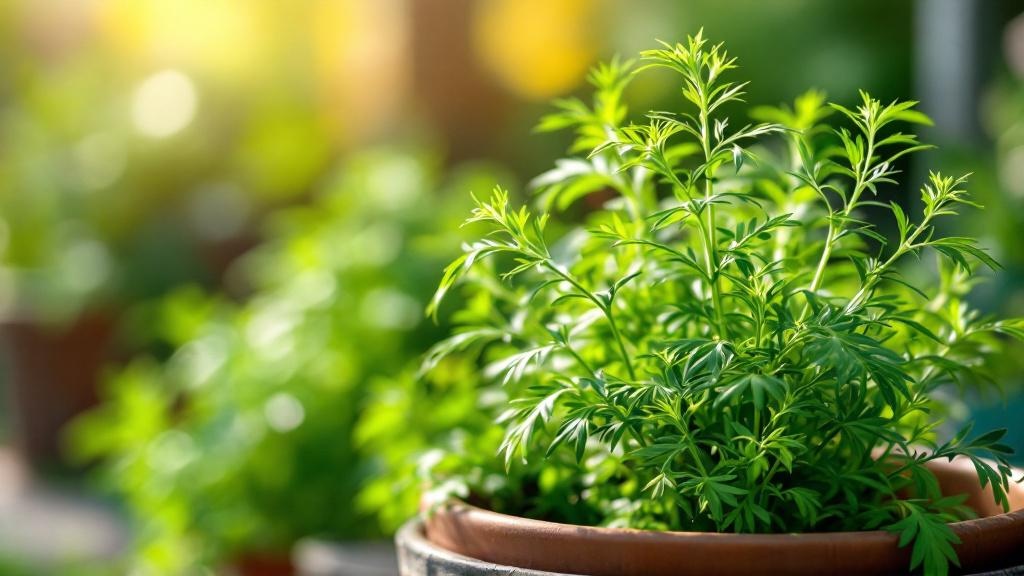
Dill is one of the easiest culinary herbs to grow at home, whether outdoors or on a sunny kitchen windowsill. Its feathery foliage adds flavor to fish, pickles, and salads, making it a must-have for any home gardener. The most common challenge new growers face is bolting—dill flowers and goes to seed quickly in heat. Understanding its cool-season preferences and light needs will help you maintain a continuous harvest.
Watering Your Dill
Dill prefers consistently moist soil but will rot if waterlogged—aim to water every 3-5 days depending on pot size and season. In spring and autumn, reduce frequency slightly as evaporation slows. Check soil with your finger: if the top 1 inch feels dry, water thoroughly. Avoid letting the soil dry out completely, as stressed plants bolt faster.
Light Requirements for Growth
Dill needs 6-8 hours of direct sunlight daily to develop strong flavor and bushy growth. A south- or west-facing windowsill is ideal indoors in temperate zones. In summer, afternoon shade (especially after 2 pm) can slow bolting. Under artificial grow lights, position them 4-6 inches above the seedlings and provide 12-14 hours of light daily.
Soil & Potting Tips
Use a well-draining potting mix enriched with compost; dill tolerates average fertility but benefits from nutrient-rich soil. A 6-8 inch pot is sufficient for a single plant or small cluster. Ensure drainage holes are present to prevent root rot. Fresh potting soil also helps reduce fungal diseases common in temperate spring climates.
Temperature & Humidity
Dill thrives in cool conditions between 55-70°F and actually prefers temperatures below 65°F for prolonged harvests. It bolts quickly when temperatures exceed 75°F consistently. Humidity around 40-50% is ideal; good air circulation helps prevent powdery mildew. In temperate regions, grow dill in early spring (March-May) and again in late summer/autumn (August-October) for best results.
Fertilizing Schedule
Dill is a light feeder; overfertilizing encourages excessive growth and hastens bolting. Apply a balanced liquid fertilizer (e.g., 10-10-10) every 3-4 weeks at half strength once plants are 3-4 inches tall. Alternatively, mix slow-release organic fertilizer into potting soil at planting. Stop fertilizing once the plant begins flowering if you want to extend the leaf-harvest phase.
Common Problems & Solutions
Bolting (premature flowering) is the main issue—manage it by keeping temperatures cool and harvesting leaves regularly from the top. Powdery mildew appears as white coating on leaves in humid, poorly ventilated spaces; improve airflow and reduce overhead watering. Carrot rust fly and spider mites are regional pests in Central Europe and the UK; inspect undersides of leaves weekly and use neem oil if needed.
Frequently asked questions
How often should I water dill?
Water every 3-5 days to keep soil consistently moist but not soggy. Check the top 1 inch of soil with your finger—if dry, water thoroughly. Frequency depends on pot size, season, and indoor temperature.
Why is my dill bolting so quickly?
Dill bolts in response to heat, light intensity, and plant maturity. Keep it below 70°F if possible, provide afternoon shade in summer, and harvest leaves regularly from the top to delay flowering. In temperate climates, grow dill in spring or autumn for longer harvests.
Can I grow dill indoors on a windowsill?
Yes, dill grows well indoors with 6-8 hours of direct sunlight daily on a south- or west-facing sill. Cool indoor temperatures (55-65°F) actually benefit dill by slowing bolting. You'll harvest fresh leaves within 6-8 weeks of sowing.
How do I harvest dill without killing the plant?
Pinch or snip leaves from the top of the plant once it reaches 6-8 inches tall, working your way down. This encourages bushier growth and delays bolting. Continue harvesting outer leaves throughout the growing season. Once the plant flowers, foliage becomes bitter, though you can save seeds.
Is dill toxic to pets?
No, dill is completely safe for cats, dogs, and other pets. The herb is non-toxic and may even have mild digestive benefits. Ensure the plant is not treated with pesticides.