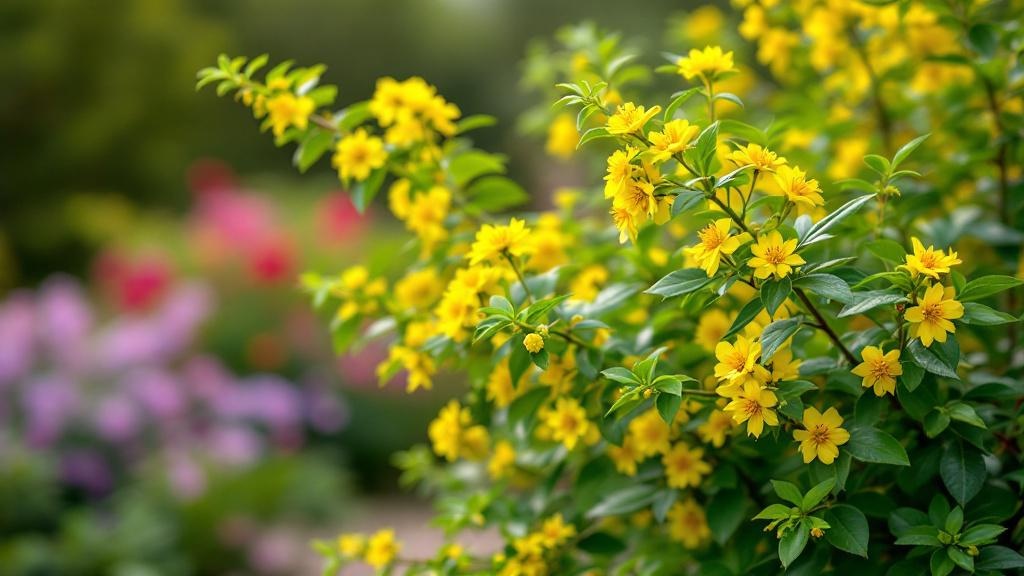
Japanese Barberry
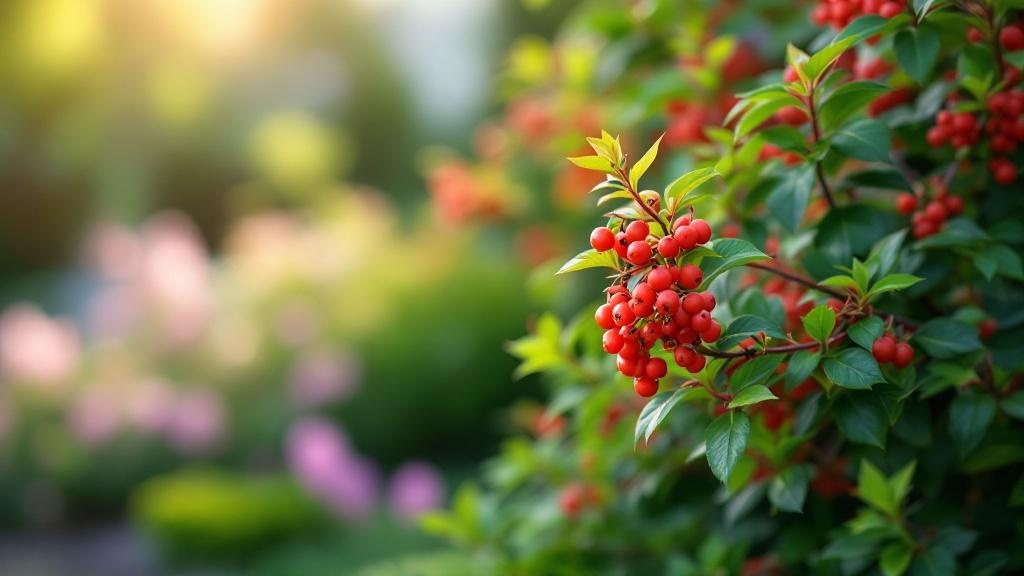
Japanese Barberry is one of the most reliable ornamental shrubs for temperate gardens, offering year-round interest with its arching branches, vibrant fall color, and bright red berries that persist through winter. The most common question gardeners ask is how to prune this thorny shrub safely and when to do it. With cultivars ranging from deep burgundy to lime green, this tough plant thrives where others struggle, tolerating poor soil, drought, and urban pollution.
Watering Your Japanese Barberry
Water newly planted barberry deeply once a week during the first growing season to establish strong roots. Once established, Japanese Barberry is remarkably drought-tolerant and typically needs supplemental water only during extended dry spells in July and August. Avoid overwatering, as this shrub dislikes soggy roots. In normal temperate rainfall conditions, mature plants rarely need additional irrigation.
Light Requirements for Best Foliage Color
Plant Japanese Barberry in full sun for the most vibrant foliage colors, especially purple and red cultivars which turn green in too much shade. The shrub tolerates partial shade with 4-6 hours of direct sunlight but expect less intense coloration. In hot summer areas, light afternoon shade can prevent leaf scorch. Position gold-leafed varieties where they receive morning sun and protection from harsh afternoon rays.
Soil and Repotting Needs
Japanese Barberry adapts to nearly any soil type, from sandy to clay, and tolerates both acidic and alkaline conditions. Good drainage is the only firm requirement, as standing water causes root rot. When planting, dig a hole twice the width of the root ball and amend heavy clay with compost. Container-grown barberry should be repotted every 2-3 years in spring, moving up one pot size.
Temperature and Humidity Tolerance
This shrub thrives across USDA zones 4-8, handling winter temperatures down to minus 30 degrees Celsius without protection. It performs well in typical Central European, UK, and Northern US climates with cold winters and warm summers. Japanese Barberry tolerates humidity well and rarely suffers from moisture-related fungal issues. No winter protection is needed in temperate regions, though mulching in late November helps retain soil moisture.
Fertilizing Japanese Barberry
Apply a balanced slow-release granular fertilizer in early April as new growth emerges. A second light feeding in June supports summer growth but is optional for established plants. Avoid high-nitrogen fertilizers which promote weak, leggy growth at the expense of the dense form. In nutrient-poor soils, top-dress annually with well-rotted compost in March.
Common Problems and Solutions
Barberry webworm can create silk tents in foliage during late spring; prune out affected branches and destroy them. Verticillium wilt causes sudden branch dieback in summer, requiring removal of affected limbs and improved drainage. Powdery mildew occasionally appears in humid September weather on crowded plants; improve air circulation by thinning interior branches in late winter. Aphids may cluster on new growth in May but are usually controlled by natural predators.
Frequently asked questions
How often should I water Japanese Barberry?
Water established Japanese Barberry only during prolonged dry periods, typically every 2-3 weeks without rain in summer. New plants need weekly deep watering during their first year. This shrub is notably drought-tolerant once its root system is established.
Why are my Japanese Barberry leaves turning green?
Purple or red Japanese Barberry turns green when it receives too little sunlight. Move container plants to a sunnier location or thin overhead tree branches to increase light exposure. Cultivars like Crimson Pygmy need at least 6 hours of direct sun to maintain their deep burgundy color.
When is the best time to prune Japanese Barberry?
Prune Japanese Barberry in late February or early March before new growth begins. This timing allows you to see the branch structure clearly and gives the plant the entire growing season to recover. Wear thick leather gloves and long sleeves to protect against the sharp thorns.
Is Japanese Barberry toxic to cats and dogs?
Japanese Barberry is mildly toxic to pets if consumed in large quantities. The berries and roots contain alkaloids that can cause mild gastrointestinal upset, vomiting, or diarrhea. Most animals avoid the plant due to its thorns, and serious poisoning is rare.
How fast does Japanese Barberry grow?
Japanese Barberry grows approximately 30-60 centimeters per year under good conditions. Most cultivars reach their mature size of 90-180 centimeters tall within 3-5 years. Dwarf varieties like Crimson Pygmy grow more slowly and stay compact at around 60 centimeters.