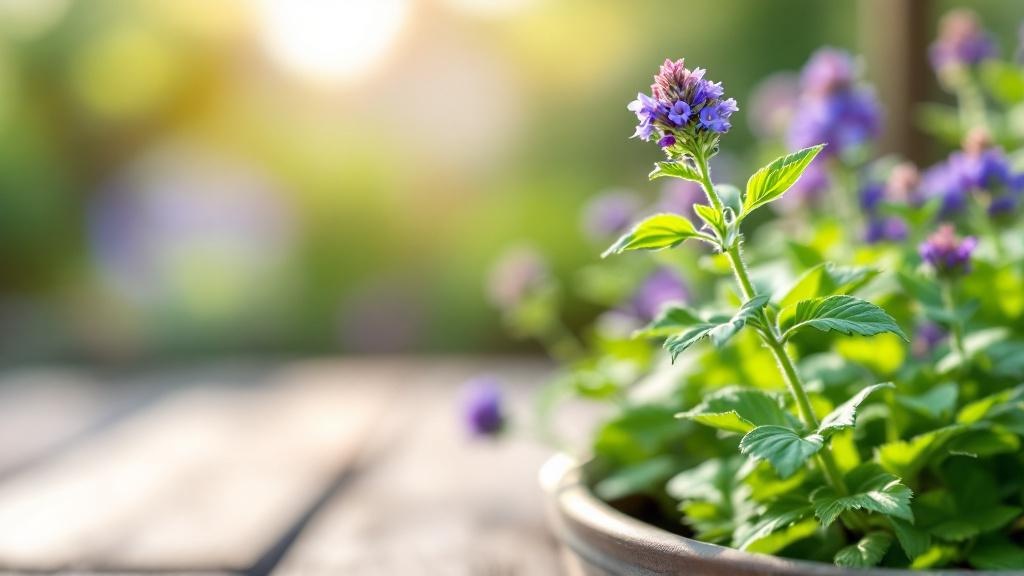
Japanese Pagoda Tree
The Japanese Pagoda Tree brings elegance to larger gardens with its rounded canopy and fragrant late-summer flowers that appear when few other trees bloom. One of the most common questions gardeners ask is whether this tree can handle cold winters — the good news is it thrives in USDA zones 5-8, making it perfect for Central European, UK, and Northern US gardens. Its tolerance for urban pollution and drought once established makes it an excellent street or specimen tree.
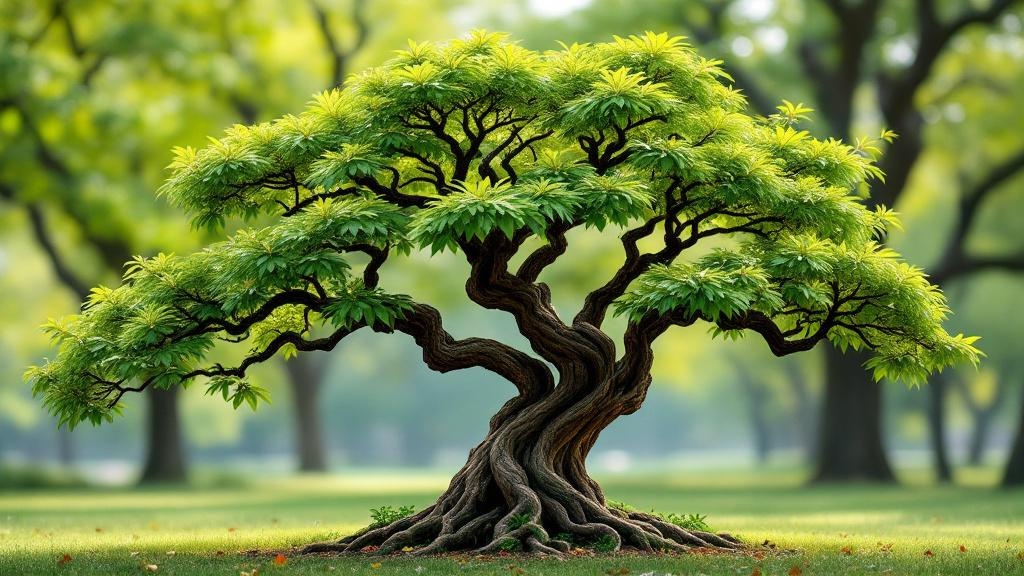
Watering Your Japanese Pagoda Tree
Young trees need consistent moisture during their first 2-3 years. Water deeply once weekly during the growing season from April through September, allowing soil to dry slightly between waterings. Established trees are remarkably drought-tolerant and typically only need supplemental water during extended dry spells exceeding 3-4 weeks. Reduce watering in October as the tree prepares for dormancy.
Light Requirements for Optimal Growth
Japanese Pagoda Trees perform best in full sun, requiring at least 6 hours of direct sunlight daily for abundant flowering. They tolerate light afternoon shade, especially in warmer zone 8 regions where some protection from intense summer sun can prevent leaf scorch. Avoid heavily shaded locations, as this reduces flowering and can lead to a sparse, leggy growth habit.
Soil Preferences and Planting
This adaptable tree tolerates a wide range of soil types, from sandy loam to clay, though it prefers well-draining soil with a pH between 6.0 and 8.0. Plant in early spring (late March to April) or autumn (October to November) when the tree is dormant. Dig a hole twice as wide as the root ball and at the same depth. Mulch with 7-10cm of bark chips, keeping it away from the trunk.
Temperature and Seasonal Considerations
Hardy to minus 25C (minus 13F), the Japanese Pagoda Tree handles harsh temperate winters without protection once established. Young trees benefit from trunk wrapping in their first two winters if temperatures drop below minus 15C. Late spring frosts rarely damage this tree as it leafs out relatively late, typically in mid-May. The tree drops its leaves in October-November after a brief yellow autumn display.
Fertilizing for Healthy Growth
Apply a balanced slow-release granular fertilizer (10-10-10) in early April as new growth begins. Young trees benefit from annual feeding for the first 5 years, while established specimens rarely need fertilization if grown in reasonably fertile soil. Avoid high-nitrogen feeds after July, as late soft growth is vulnerable to winter damage. A layer of compost around the drip line in autumn provides gentle nutrition.
Common Problems and Solutions
Verticillium wilt can affect Japanese Pagoda Trees, causing branch dieback and wilted leaves — prune affected branches immediately and avoid planting where susceptible plants previously grew. Aphids occasionally colonize new growth in May-June but are typically controlled by natural predators like ladybirds. Honey fungus can attack stressed trees; maintain tree vigor through proper watering and avoid wounding the bark during lawn maintenance.
Frequently asked questions
How fast does a Japanese Pagoda Tree grow?
Japanese Pagoda Trees grow moderately fast at 30-60cm per year when young, slowing as they mature. Expect a tree to reach 4-5 meters in 10 years under good conditions. Ultimate height is typically 15-20 meters with a similar spread, reached after 50-plus years.
When does Japanese Pagoda Tree bloom?
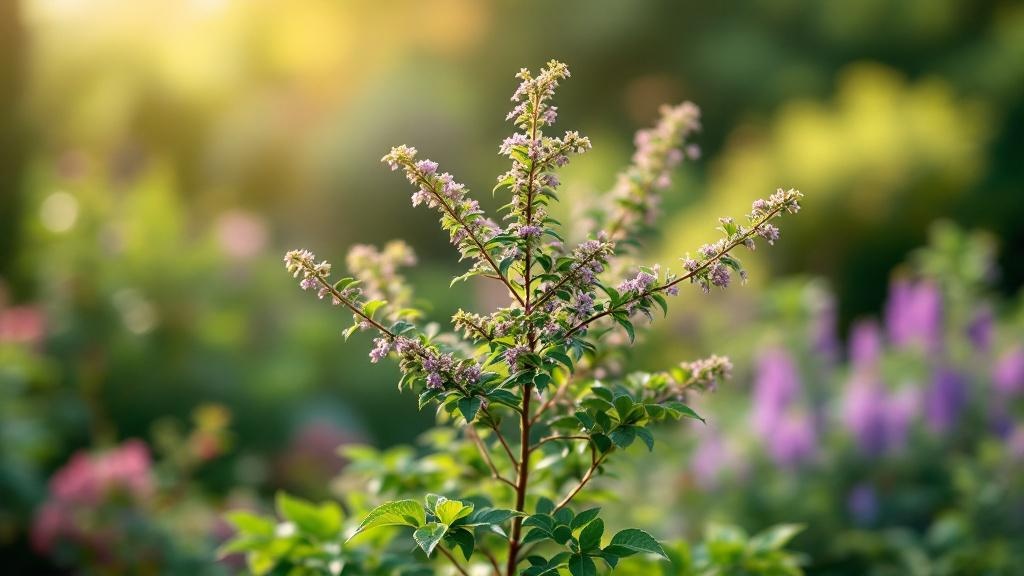
Japanese Pagoda Trees bloom in late July through August, producing creamy-white fragrant flower clusters. This late flowering makes them valuable for providing nectar when few other trees are in bloom. Be aware that fallen flowers and seed pods can be messy, so avoid planting near patios or parking areas.
Is Japanese Pagoda Tree toxic to dogs?
Yes, Japanese Pagoda Tree is toxic to dogs and cats. The seeds, pods, and bark contain cytisine and other alkaloids that can cause vomiting, diarrhea, and weakness if ingested in significant quantities. Keep pets away from fallen seed pods in autumn.
Why are my Japanese Pagoda Tree leaves turning yellow?
Yellow leaves typically indicate overwatering, poor drainage, or nutrient deficiency. Check that soil drains freely and reduce watering frequency if the ground stays soggy. If yellowing occurs between leaf veins while veins stay green, apply iron sulfate or chelated iron to address chlorosis common in alkaline soils.
Can I grow Japanese Pagoda Tree in a small garden?
Japanese Pagoda Tree is not ideal for small gardens due to its eventual size of 15-20 meters tall and wide. The falling flowers and seed pods also require regular cleanup. For smaller spaces, consider the weeping cultivar Pendula grafted onto a shorter trunk, which stays more compact at 3-4 meters.