Delphinium
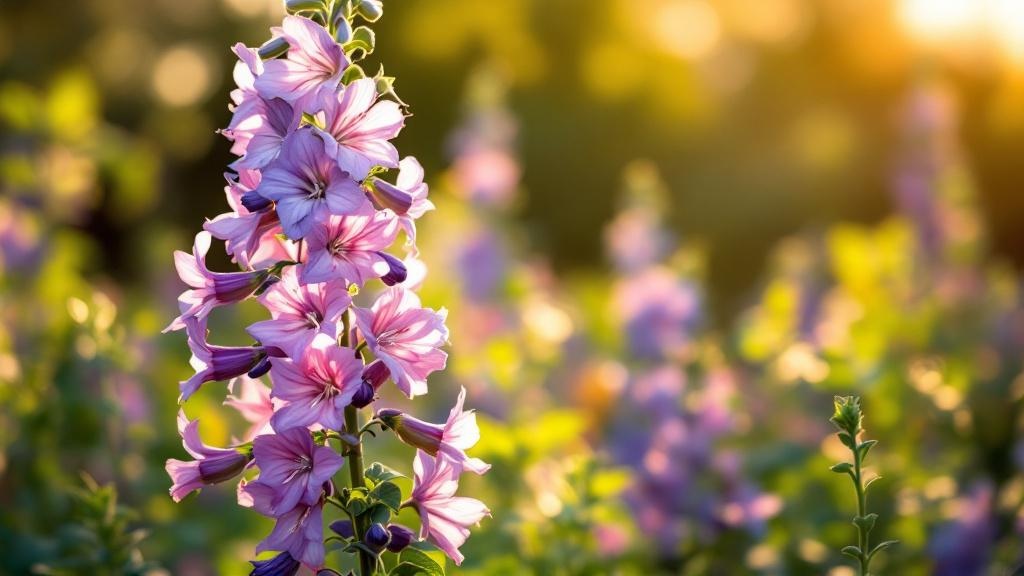
Delphiniums are iconic cottage garden flowers that produce striking tall spires of blue, purple, pink, or white blooms in summer. In temperate climates (zones 5-8), they're relatively easy to grow but require sturdy staking and consistent watering to reach their full 1-2 meter height. The most common question gardeners ask is how to prevent these beauties from flopping over—and the answer lies in early support and proper spacing.
Watering your delphiniums
Delphiniums prefer consistently moist soil, especially during the growing season from April through September. Water deeply 2-3 times weekly during dry spells, but avoid waterlogging as this invites root rot and powdery mildew. In cooler, wetter temperate springs, reduce frequency to prevent fungal issues. Always water at soil level rather than overhead to keep foliage dry.
Light requirements
Delphiniums need at least 6 hours of direct sunlight daily to produce robust flower spikes with rich color. In southern regions of zone 8, afternoon shade (after 3 PM) can help cool plants and extend blooming. Insufficient light results in weak, spindly stems that are harder to stake and may not flower reliably.
Soil and repotting
Plant delphiniums in fertile, well-draining soil enriched with organic matter or compost. They prefer neutral to slightly alkaline pH (7.0-7.5); if your soil is acidic, add garden lime in autumn. These are short-lived perennials often treated as biennials in cool climates; they don't need repotting once established in garden beds, but container specimens benefit from fresh compost each spring.
Temperature and humidity
Delphiniums thrive in cool to moderate temperatures (15-20°C) and struggle in heat above 25°C, making temperate zones ideal. They tolerate frost well and actually need a cold winter period (vernalization) to flower reliably. Humidity is less critical, but good air circulation prevents powdery mildew, particularly common in damp European summers.
Fertilizing your delphiniums
Apply a balanced, slow-release fertilizer (10-10-10) in late March as growth resumes, then switch to a higher-potassium feed (such as tomato fertilizer) in June to promote flowering. Avoid excess nitrogen, which encourages leafy growth at the expense of blooms. A light application of bone meal when planting supports root development and phosphorus uptake.
Common problems and solutions
Powdery mildew is the most common fungal issue in humid temperate springs; improve air circulation, avoid overhead watering, and apply sulfur spray if needed. Slugs and snails damage young foliage in wet conditions—use copper tape or beer traps around plants. Delphinium black spot appears as dark lesions on leaves; remove affected foliage and reduce watering frequency to control it.
Frequently asked questions
How often should I water delphiniums?
Water 2-3 times weekly during active growth (April-September) if rainfall is light, keeping soil consistently moist but not soggy. Reduce to once weekly in cooler, wetter periods to prevent root rot and fungal disease.
Why are my delphinium leaves yellow?
Yellow leaves usually signal overwatering, poor drainage, or nitrogen deficiency. Check soil moisture first; if it's waterlogged, improve drainage by adding grit or compost. If soil is dry, apply a balanced fertilizer and mulch to retain moisture evenly.
Do delphiniums need staking?
Yes, tall varieties (1.5-2 m) almost always need sturdy stakes or rings installed in spring before stems are 30 cm tall. Insert bamboo canes or metal supports early, then tie stems loosely with twine as they grow to prevent wind damage.
When do delphiniums bloom in temperate zones?
Delphiniums typically flower from June to August in zones 5-8, with peak bloom in July. Dead-heading spent spires encourages a second, smaller flush of flowers in early September if plants are well-watered and fed.
Are delphiniums toxic to pets?
Yes, all parts of delphiniums—leaves, stems, and seeds—are toxic to dogs, cats, and horses if ingested, causing digestive upset and cardiac issues. Keep plants out of reach of curious pets and wash hands after handling.