Asparagus
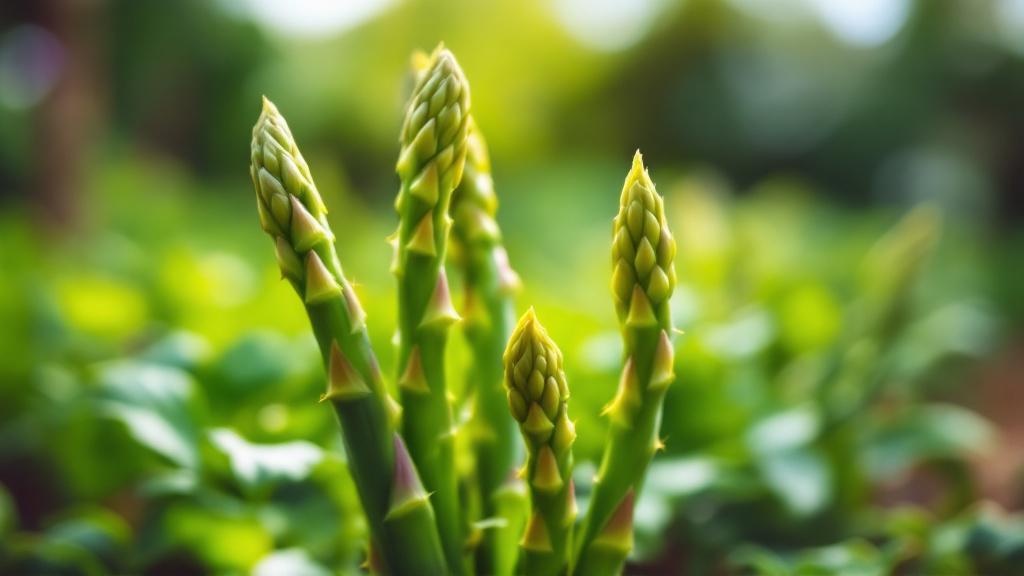
Asparagus is one of the few perennial vegetables you can grow, producing fresh spears every spring for decades with minimal effort once established. The most common question home gardeners ask is how long before they can harvest — and the answer requires patience. You will wait 2-3 years after planting crowns before taking your first full harvest, but that investment pays off with 15-20 years of homegrown spears that taste nothing like store-bought.
Watering Your Asparagus Bed
Water deeply once per week during the growing season, providing about 2.5cm of water to encourage deep root development. Newly planted crowns need consistent moisture in their first two years, so water twice weekly during dry spells from April through August. Reduce watering in autumn as the ferns yellow and go dormant. Established beds tolerate some drought but produce thicker spears with consistent spring moisture.
Light Requirements for Maximum Yields
Asparagus demands full sun, requiring 6-8 hours of direct sunlight daily for optimal spear production. Choose your permanent bed location carefully since this plant will occupy the same spot for two decades. Partial shade results in thin, spindly spears and weakened crowns over time. In Northern UK and similar cooler regions, a south-facing slope provides extra warmth that speeds early spring emergence.
Soil Preparation and Bed Establishment
Asparagus thrives in well-draining, sandy loam with a pH between 6.5 and 7.5 — test your soil and add garden lime if too acidic. Before planting crowns in late March to early April, dig trenches 20cm deep and work in generous amounts of well-rotted compost or aged manure. Space crowns 30-45cm apart in rows 1.2m apart, spreading roots over small mounds. Top-dress with 5cm of compost each autumn after cutting back dead ferns.
Temperature and Seasonal Care
Asparagus is remarkably cold-hardy, surviving winters down to -30°C in zones 5-8 without protection. Spears emerge when soil temperatures reach 10°C, typically mid-April in Central Europe and Northern US. After the first hard frost in October or November, cut yellowed ferns to 5cm above ground level. Mulch crowns with 10cm of straw or shredded leaves in late November to protect against frost heaving in harsh winters.
Fertilizing for Strong Crowns and Thick Spears
Apply a balanced 10-10-10 fertilizer in early April before spears emerge, using about 100g per square meter of bed. After the final harvest in late June, feed again to support fern growth that replenishes the crown for next year. Avoid high-nitrogen fertilizers after July, as this encourages soft growth vulnerable to winter damage. Annual autumn compost applications improve soil structure and provide slow-release nutrients.
Common Asparagus Problems and Solutions
Asparagus beetle is the most prevalent pest in temperate regions — both adults and larvae feed on spears and ferns from May onwards. Hand-pick beetles and apply neem oil in the evening for severe infestations. Fusarium crown rot causes yellowing ferns and crown death in poorly drained soils — prevention through proper drainage is the only solution as infected crowns must be removed. Purple spot fungus appears as sunken purple lesions during wet springs; improve air circulation and avoid overhead watering to prevent spread.
Frequently asked questions
How long does asparagus take to grow from crowns?
Asparagus takes 2-3 years from planting crowns before you can harvest a full crop. In the first year, do not harvest at all to let crowns establish strong roots. In year two, harvest lightly for just 2 weeks, then allow full 6-8 week harvests from year three onwards.
When should I stop harvesting asparagus?
Stop harvesting asparagus by late June or when spears become thinner than a pencil, whichever comes first. The plant needs the remaining summer months to grow ferns that photosynthesize and store energy in the crown for next spring. Harvesting too late weakens the plant and reduces future yields.
Why are my asparagus spears thin and spindly?
Thin asparagus spears indicate an underfed or overharvested crown that lacks energy reserves. This commonly happens when gardeners harvest too long in previous seasons or skip autumn fertilizing. Allow the plant to rest by not harvesting next spring, feed well, and spear thickness should improve the following year.
Is asparagus toxic to cats and dogs?
Yes, asparagus ferns and berries are toxic to cats and dogs, causing vomiting, diarrhea, and abdominal pain if ingested. The edible spears we eat are not toxic, but the decorative fern growth and red berries that develop on female plants pose a risk. Keep pets away from asparagus beds, especially in late summer when berries form.
Can I grow asparagus in containers?
Growing asparagus in containers is possible but challenging due to the plant's extensive root system and long lifespan. You would need at least a 75-liter container per crown with excellent drainage. Most gardeners find container-grown asparagus produces disappointing yields compared to in-ground beds and requires replacement every 4-5 years.