Jelly Bean Plant
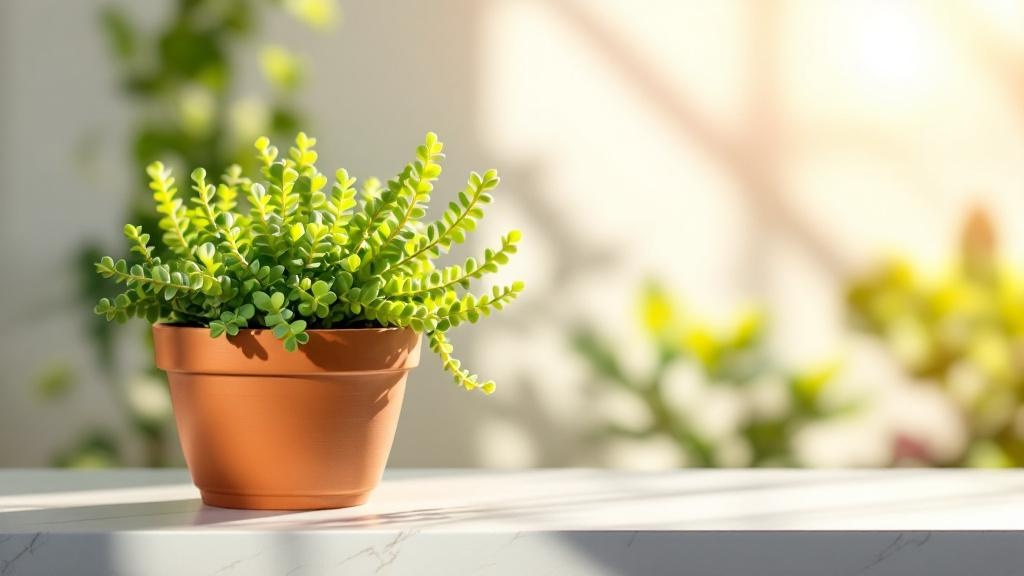
The Jelly Bean Plant (Sedum rubrotinctum) captivates with its chubby, jellybean-shaped leaves that turn from green to ruby red when sun-stressed. Native to Mexico, this compact succulent has become a windowsill favorite across Europe and North America. The most common question gardeners ask is how to keep those leaves plump without overwatering — a balance that determines whether your Jelly Bean thrives or rots. With proper care, this forgiving succulent rewards you with cascading stems and occasional yellow spring blooms.
Watering Your Jelly Bean Plant Without Root Rot
Water deeply but infrequently, allowing soil to dry completely between waterings. In summer, this typically means every 10-14 days; in winter (November through February), reduce to once monthly as the plant enters dormancy. Always empty saucers after watering to prevent standing water. The leaves will appear slightly wrinkled when the plant genuinely needs water — this is your reliable cue.
Light Requirements for Vibrant Red Coloring
Jelly Bean Plants need at least 4-6 hours of direct sunlight daily to develop their signature red tips. South or west-facing windowsills work best in temperate homes. In summer, you can move the plant outdoors to a sunny patio after the last frost (typically mid-May in zones 5-8). Too little light causes etiolation — stretched, pale stems reaching desperately toward the window.
Soil and Repotting for Healthy Roots
Use a fast-draining succulent mix or create your own by combining standard potting soil with 50% perlite or coarse sand. Terracotta pots are ideal as they wick away excess moisture. Repot every 2-3 years in early spring (late March to April) when roots emerge from drainage holes. The shallow root system means you can use relatively small, wide containers.
Temperature and Humidity Preferences
This succulent thrives between 10-25°C and tolerates typical indoor humidity levels perfectly. Bring outdoor plants inside before temperatures drop below 5°C, usually by late September in Northern Europe and the Northern US. Avoid placing near cold drafts or radiators in winter. The Jelly Bean Plant appreciates the cooler winter temperatures (10-15°C) that naturally occur in unheated rooms, which helps trigger spring flowering.
Fertilizing for Steady Growth
Feed sparingly with a diluted liquid succulent fertilizer (half strength) once monthly during the active growing season from April through August. Do not fertilize from September through March when growth slows. Over-fertilizing causes weak, leggy growth and reduces the red coloration. If you repot with fresh soil annually, you can skip fertilizing altogether.
Common Problems and How to Fix Them
Mealybugs appear as white cottony clusters in leaf joints — remove with a cotton swab dipped in rubbing alcohol and improve air circulation. Root rot from overwatering causes mushy, translucent leaves at the base; cut away affected parts, let the stem callous for 2-3 days, and replant in dry soil. Leaf drop often signals underwatering or cold shock — check soil moisture and relocate away from cold windows.
Frequently asked questions
How often should I water a Jelly Bean Plant?
Water every 10-14 days in summer and once monthly in winter, only when soil is completely dry. Stick your finger 2cm into the soil — if it feels dry, water thoroughly until it drains from the bottom. Overwatering is the most common killer of this succulent.
Why are my Jelly Bean Plant leaves falling off?
Leaves typically fall due to overwatering, underwatering, or sudden temperature changes. Check if fallen leaves are mushy (overwatering) or shriveled (underwatering) to diagnose the issue. Occasional leaf drop at the base is normal as the plant matures.
Why is my Jelly Bean Plant not turning red?
The red coloring develops from sun stress, so insufficient light is usually the cause. Move your plant to a brighter location with at least 4-6 hours of direct sunlight daily. Cooler temperatures (10-15°C) and slight underwatering also intensify the red pigmentation.
Is Jelly Bean Plant toxic to cats?
Yes, Jelly Bean Plant is mildly toxic to cats and dogs. Ingestion may cause vomiting, drooling, or diarrhea, though serious toxicity is rare. Keep the plant out of reach of curious pets or choose a pet-safe alternative.
When does Jelly Bean Plant bloom?
Jelly Bean Plants produce small yellow star-shaped flowers in late spring, typically May to June in temperate climates. Mature plants (3+ years) bloom more reliably, especially after experiencing cooler winter temperatures around 10-12°C. The flowers appear on tall stalks above the foliage.