Haworthia
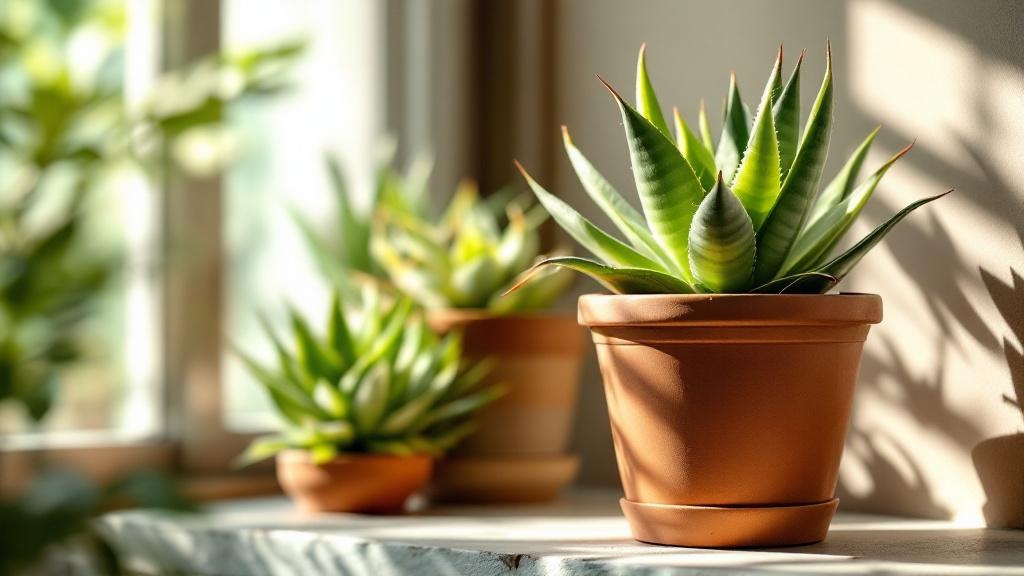
Haworthia, or zebra plant, is one of the easiest succulents to grow indoors in temperate regions. These rosette-forming plants feature distinctive pale stripes and stay compact even in pots, making them ideal for small spaces. The most common question gardeners ask is how often to water them—and the answer is simple: less frequently than you think.
Watering Your Haworthia
Haworthia needs far less water than most houseplants. Water thoroughly every 10-14 days during spring and summer when the soil is completely dry to the touch; in autumn and winter, reduce to every 3-4 weeks. Overwatering is the primary killer of haworthia—soggy roots lead to rot within days. Use the soak-and-dry method: water until it drains from the pot base, then let the soil dry completely before watering again.
Light Requirements for Haworthia
Haworthia thrives in bright indirect light and adapts well to partial shade, making it one of the most forgiving succulents for indoor gardeners. A north or east-facing windowsill is ideal; direct afternoon sun can fade the leaf stripes or cause sunburn. If your home is naturally dim, haworthia will still survive, though growth slows and leaves may lose their vibrant coloring. Rotate the pot every 2-3 weeks for even growth.
Soil and Repotting Guidance
Use a fast-draining succulent or cactus potting mix—never standard houseplant soil, which retains too much moisture. If you cannot source ready-made mix locally, amend regular potting soil with 40-50% perlite or coarse sand. Repot only when the plant outgrows its container (typically every 2-3 years in spring). Choose a pot with drainage holes and only one size larger than the current one.
Temperature and Humidity Conditions
Haworthia prefers cool to moderate temperatures between 15-25°C and dislikes heat above 30°C. In temperate climates, room temperature is usually adequate; in summer, ensure good air circulation to prevent stress. Humidity is not a concern—haworthia actually prefers drier air and requires no misting. Protect plants from frost; move potted haworthia indoors in late October if grown outdoors, or keep them away from cold windows in winter.
Feeding and Fertilizing
Haworthia is a light feeder and does not require regular fertilization. Feed sparingly during the growing season (April through September) with a diluted, low-nitrogen succulent fertilizer once every 6-8 weeks. Apply at half strength to avoid salt buildup, which can damage roots. Do not fertilize in autumn or winter when growth stalls.
Common Problems and Solutions
Soft, translucent leaves or mushy bases indicate root rot from overwatering—remove the plant from wet soil, trim affected roots with sterile scissors, and repot in fresh dry soil. Brown or papery leaf tips suggest either underwatering or poor humidity recovery; increase watering slightly. Mealybugs and scale insects occasionally infest haworthia in indoor conditions; spray affected areas with 70% isopropyl alcohol or a neem-oil solution every 7-10 days until clear.
Frequently asked questions
How often should I water my haworthia?
Water every 10-14 days in summer and every 3-4 weeks in winter, only when the soil is completely dry. Haworthia is a succulent that stores water in its leaves, so overwatering is far more damaging than underwatering.
Why are my haworthia leaves turning brown or translucent?
Translucent, soft leaves signal root rot from excessive moisture—your haworthia needs to dry out. Remove it from the pot, cut away any blackened roots, and repot into fresh, bone-dry succulent soil immediately.
Can haworthia tolerate low light?
Yes, haworthia survives in partial shade and lower light better than most succulents, though growth slows and coloring may fade. Bright indirect light produces the best appearance, but north-facing windows are acceptable.
Is haworthia toxic to cats and dogs?
No, haworthia is completely non-toxic to pets. It is one of the safest succulents for homes with curious cats or dogs, though the leaves are still tough to digest if ingested.
How do I propagate haworthia from pups?
Mature haworthia plants produce small offsets (pups) at the base. In spring, gently separate pups with roots attached and pot them in dry succulent soil; water after 5-7 days. Pups without roots may also be propagated in sand, but success rates are lower.