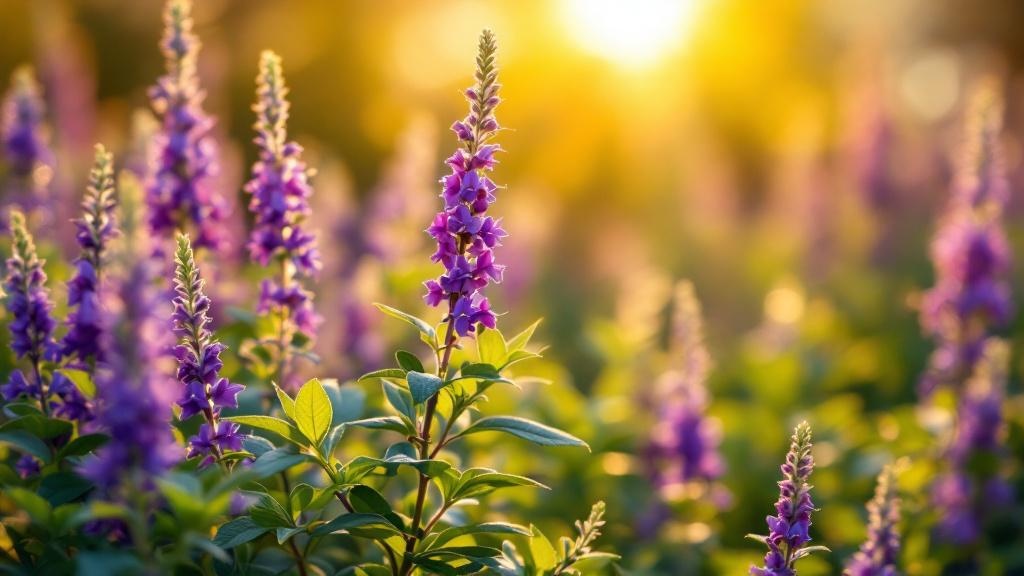
Jerusalem Artichoke
Jerusalem artichoke, also called sunchoke, is one of the most forgiving vegetables you can grow in a temperate garden. Native to North America, this sunflower relative produces edible tubers with a nutty, slightly sweet flavor similar to water chestnuts. The most common question gardeners ask is how to control its vigorous spread while maximizing tuber harvest. Once established, this perennial can become invasive, but with proper management, it rewards you with abundant harvests from November through early spring.
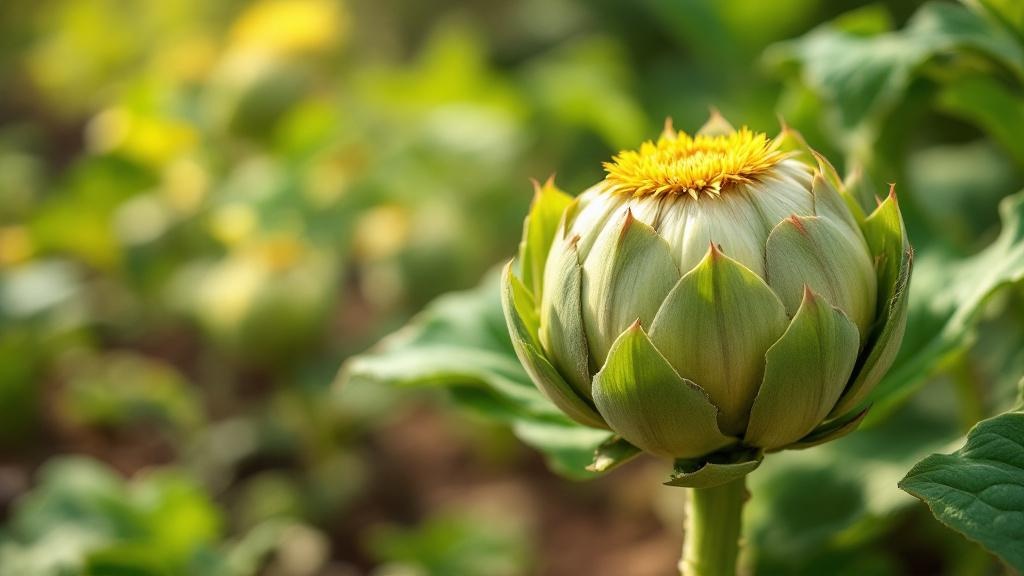
Watering Your Jerusalem Artichoke
Jerusalem artichokes are drought-tolerant once established but perform best with consistent moisture during tuber formation in late summer. Water deeply once per week during dry periods from July through September. Reduce watering after the foliage dies back in autumn. Overwatering in heavy soils can cause tuber rot, so ensure good drainage.
Light Requirements for Optimal Growth
Plant Jerusalem artichokes in full sun for the best tuber production, though they tolerate partial shade with reduced yields. A south-facing position is ideal in temperate gardens. The tall stems, reaching 2-3 meters, can shade other plants, so position them at the north end of your vegetable plot.
Soil Preparation and Planting
Jerusalem artichokes thrive in almost any soil but produce the smoothest tubers in loose, sandy loam. Plant tubers 10-15cm deep and 30-45cm apart in late February to April. Add compost to improve soil structure but avoid high-nitrogen amendments that encourage foliage over tuber growth. No repotting needed as this is a ground crop, though container growing in 40-liter pots is possible.
Temperature and Climate Tolerance
This hardy perennial survives winters down to minus 30 degrees Celsius once established. Tubers overwinter in the ground without protection in zones 5-8. Late frosts in April may damage emerging shoots, but plants recover quickly. The foliage dies back naturally after the first autumn frosts in October or November.
Fertilizing Jerusalem Artichokes
Jerusalem artichokes require minimal feeding due to their efficient nutrient uptake. Apply a balanced organic fertilizer or well-rotted compost at planting time in spring. A light side-dressing of compost in June supports tuber development. Avoid excessive nitrogen, which produces tall, floppy stems prone to wind damage.
Common Problems and Solutions
Slugs and snails attack young shoots in spring; use organic slug pellets or beer traps starting in March. Powdery mildew appears on foliage during humid summers but rarely affects tuber quality. Sclerotinia rot causes white fuzzy mold on stems in wet conditions; remove affected plants and improve air circulation. The biggest challenge is containment: harvest thoroughly or plant in buried barriers to prevent unwanted spread.
Frequently asked questions
When do you harvest Jerusalem artichokes?
Harvest Jerusalem artichokes from November through March after the first frosts sweeten the tubers. The foliage dies back in autumn, signaling the tubers are ready. Leave them in the ground and dig as needed since they store best in cold soil rather than in the refrigerator.
How do you stop Jerusalem artichokes from spreading?
Contain Jerusalem artichokes by harvesting every single tuber each winter or planting within buried barriers. Sink 60cm deep metal or thick plastic edging around the planting area. Even tiny tuber fragments left behind will regrow, so thorough harvesting is essential for control.
Are Jerusalem artichokes toxic to dogs or cats?
No, Jerusalem artichokes are completely safe for dogs and cats. Both the tubers and foliage are non-toxic to pets and livestock. However, feeding large amounts may cause digestive upset due to the high inulin content, which can produce gas.
Why are my Jerusalem artichoke leaves turning yellow?
Yellow leaves in autumn are normal as the plant dies back before winter. During the growing season, yellowing indicates overwatering, nitrogen deficiency, or waterlogged soil. Improve drainage and reduce watering if the soil stays constantly wet.
Do Jerusalem artichokes come back every year?
Yes, Jerusalem artichokes are perennial and return reliably every year from tubers left in the ground. Even a small piece of tuber overlooked during harvest will sprout the following spring. This persistence makes them essentially permanent once planted.