African Violet
African violets are beloved houseplants that brighten indoor spaces with their delicate, ruffled flowers in shades of purple, pink, and white. The biggest challenge most gardeners face is watering correctly—these plants dislike wet foliage and soggy soil, which leads to leaf rot and mildew. Once you master the right technique, they reward you with continuous blooms.
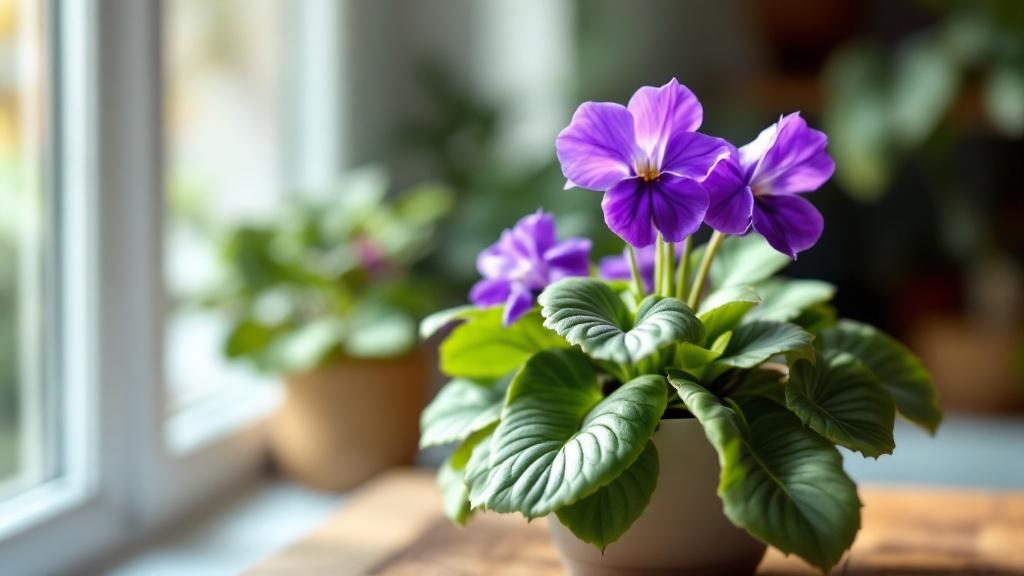
Watering African Violets Correctly
Water African violets from below using the pot-within-pot method or a watering can with a narrow spout held at soil level—wet foliage invites powdery mildew and leaf spots, especially in cooler months. Aim for every 7-10 days in spring and summer, reducing to every 10-14 days in autumn and winter. The soil should feel slightly moist, never soggy. Use tepid, distilled water or collected rainwater to prevent mineral spots on leaves.
Providing Ideal Light Conditions
African violets thrive in bright, indirect light—an east or north-facing windowsill is perfect in temperate zones. They need 12-14 hours of light daily to flower consistently; if natural light is limited in winter, a small fluorescent or LED grow light placed 20-25 cm above plants works well. Direct sun scorches leaves, while too little light results in sparse, leggy growth and no flowers.
Soil, Potting & Repotting
Use a specialised African violet potting mix, which is light, airy, and drains quickly—avoid standard multipurpose compost, which retains too much moisture. Repot every 12-18 months in spring into a slightly larger pot (only 1 cm wider); African violets prefer being slightly root-bound. Ensure pots have drainage holes and use terracotta if possible, as it helps prevent overwatering.
Temperature, Humidity & Air Circulation
Maintain a steady temperature between 18-24°C; African violets dislike cold drafts and sudden temperature swings below 15°C. They prefer 50-70% humidity, which is naturally higher in kitchens and bathrooms. In winter, avoid placing them near radiators or heaters. Gentle air movement prevents fungal issues, so ensure good ventilation without exposing plants to direct fan drafts.
Feeding for Continuous Blooms
Feed every 2-3 weeks during the growing season (March to October) with a balanced, water-soluble African violet fertiliser diluted to half strength. In winter, reduce feeding to once a month. Overfertilising causes soft growth and fewer flowers, so it's better to under-feed than over-feed. Always feed moist soil to prevent root burn.
Common Problems & Solutions
Powdery mildew appears as white dust on leaves in cool, humid conditions without airflow—improve ventilation and avoid wetting foliage. Yellow or brown leaf spots indicate watering from above or poor air circulation; switch to bottom watering and check humidity levels. If blooming stops, check light levels (too low) and feeding schedule (may need a phosphorus boost); move the plant closer to a window or apply a blooming fertiliser.
Frequently asked questions
How often should I water my African violet?
Water every 7-10 days in spring and summer, reducing to every 10-14 days in autumn and winter. Always water from below to keep foliage dry and prevent mildew. Check that soil is moist but never waterlogged.
Why are my African violet leaves turning yellow?
Yellow leaves usually indicate overwatering or poor drainage, leading to root rot. Check that your soil drains well and you're using a specialist African violet mix. If soil is soggy, repot into fresh, dry compost immediately and reduce watering frequency.
Can African violets grow in low light?
African violets need at least 12-14 hours of bright, indirect light daily to flower reliably. In low light, they become leggy and stop blooming. If your room lacks natural light, add a small LED grow light placed 20-25 cm above plants.
Why is my African violet not flowering?
The main causes are insufficient light, low temperatures, or infrequent feeding. Ensure your plant receives bright indirect light for 12-14 hours daily, keep temperatures between 18-24°C, and feed every 2-3 weeks with a balanced fertiliser during the growing season.
Is African violet toxic to cats and dogs?
No, African violets are completely non-toxic to cats, dogs, and other household pets. You can safely place them in any room without worry.