Clematis
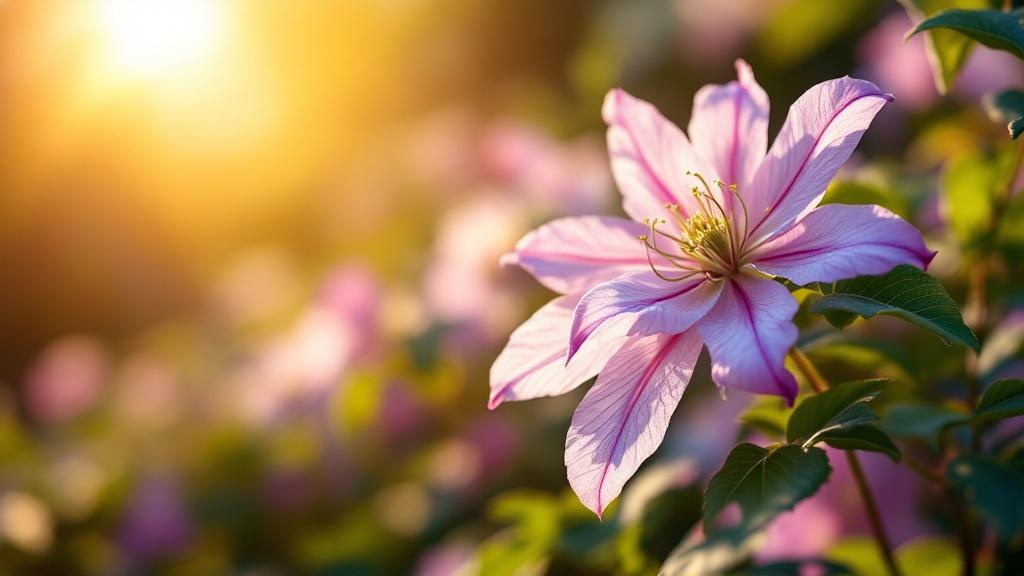
Clematis vines are prized by gardeners for their dramatic flowers and ability to transform trellises and walls into walls of color. The main question most gardeners face is how to prune clematis correctly without sacrificing blooms. Understanding which pruning group your variety belongs to is key to maintaining a healthy, floriferous plant throughout the growing season.
Watering Clematis Properly
Water clematis deeply every 7-10 days during the growing season from April through September, ensuring the soil remains consistently moist but not waterlogged. Reduce watering significantly from October through March when the plant is dormant or growing slowly. The key is keeping the roots cool and moist while allowing the top growth to receive full sun; mulch around the base with 5-7 cm of organic matter to help regulate soil moisture and keep roots cool.
Light Requirements for Clematis
Clematis performs best with 6-8 hours of direct sunlight daily, which encourages abundant flowering. However, the roots prefer to remain in shade or cool conditions. Plant the base in shadow using companion shrubs or by laying stones, while training the vine to climb into sunny areas. Varieties like 'Jackmanii' and 'Henryi' tolerate partial shade but still need at least 4-5 hours of sun for reliable blooming.
Soil and Repotting Clematis
Clematis prefers fertile, well-draining soil enriched with compost or aged manure. Add lime or garden lime to slightly alkaline the soil if your region has acidic conditions, as clematis struggles in very acid soils. Repot container-grown clematis annually in early March into a pot only slightly larger than the previous one, using quality multipurpose compost mixed with horticultural grit for drainage.
Temperature and Humidity
Clematis is fully hardy in temperate zones (USDA 5-8) and requires a winter dormancy period of at least 2-3 months below 10°C to flower reliably. Protect young plants in their first winter with straw or fleece in harsh years. In continental climates with late frosts, plant in spring so stems harden before autumn. Humidity is not critical, but good air circulation prevents fungal issues.
Fertilizing Your Clematis
Apply a balanced, slow-release fertilizer like 10-10-10 in early April as growth begins, then switch to a potassium-rich feed in July to support flowering. Alternatively, give a monthly feed with diluted tomato food from May through August. Avoid over-fertilizing with nitrogen, which produces leaves at the expense of blooms. Stop feeding by late August to allow the plant to harden off for winter.
Common Clematis Problems
Clematis wilt, caused by the fungus Phoma clematidina, suddenly kills shoots in early summer; cut affected stems back to healthy tissue and improve air circulation. Powdery mildew appears as white coating on leaves in dry conditions; spray with sulfur-based fungicide or improve watering habits. Spider mites thrive in hot, dry spells—mist foliage regularly or use insecticidal soap if infestations appear.
Frequently asked questions
How often should I water clematis?
Water deeply every 7-10 days from April to September when the soil surface feels dry. Reduce watering from October through March during dormancy, keeping soil barely moist. The goal is consistently moist soil without waterlogging, which can lead to root rot.
Why is my clematis not flowering?
Insufficient sunlight is the most common cause—clematis needs 6-8 hours of direct sun daily. Other reasons include incorrect pruning (cutting off next season's flower buds), frost damage to new shoots, or nitrogen-rich fertilizer that promotes foliage over blooms. Check your variety's pruning group and prune accordingly.
When should I prune clematis?
Pruning timing depends on your variety's group: Group 1 (spring bloomers) prune just after flowering in March; Group 2 (repeat bloomers) prune lightly in February; Group 3 (late bloomers) cut back hard to 30-60 cm in February. Always remove dead or diseased stems whenever spotted.
Is clematis toxic to cats and dogs?
Yes, clematis is mildly toxic to pets and causes mouth irritation, drooling, and digestive upset if ingested. Keep plants in areas where cats and dogs cannot chew on stems or foliage, and consider consulting a vet if your pet shows signs of poisoning.
What temperature can clematis tolerate?
Clematis is fully hardy to -15°C and requires a cold winter period to flower reliably. In temperate zones (5-8), it survives outdoors year-round. Protect young plants in their first winter with straw mulch in regions with harsh conditions, and avoid planting in spring frost pockets.