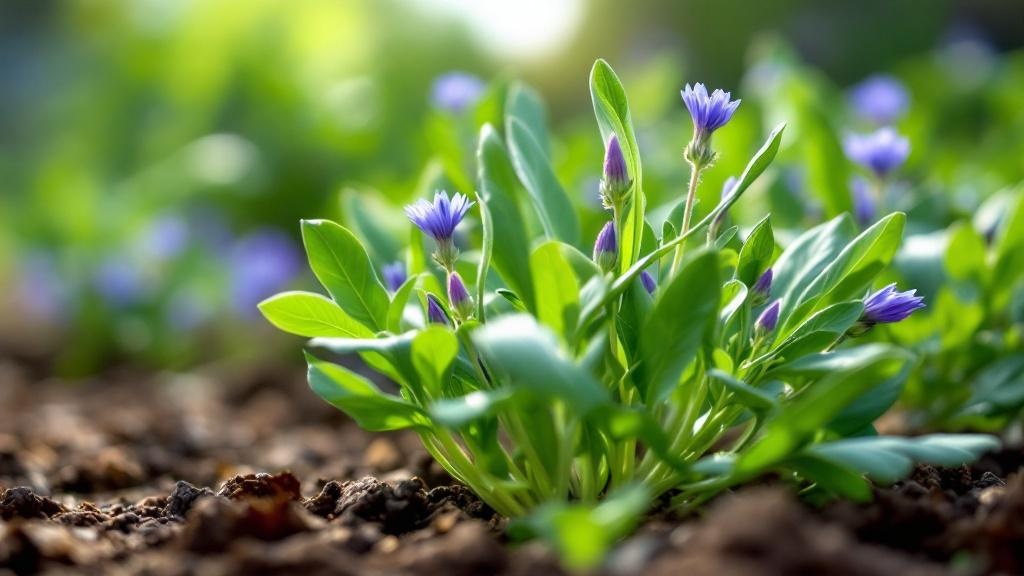
Summer Savory
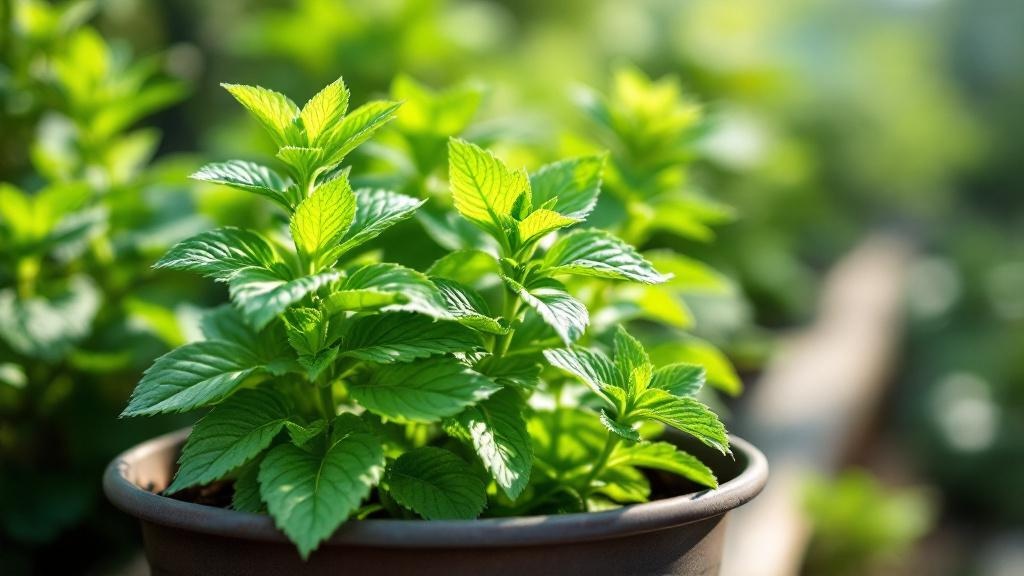
Summer savory has been a kitchen garden staple since Roman times, beloved for its ability to enhance bean dishes, meats, and vegetables with a subtle peppery warmth. The most common question gardeners ask is when and how to harvest it for maximum flavor. This aromatic Mediterranean herb grows quickly from seed sown after the last frost, typically reaching harvest size within 60-70 days, making it perfect for beginner herb gardeners in temperate climates.
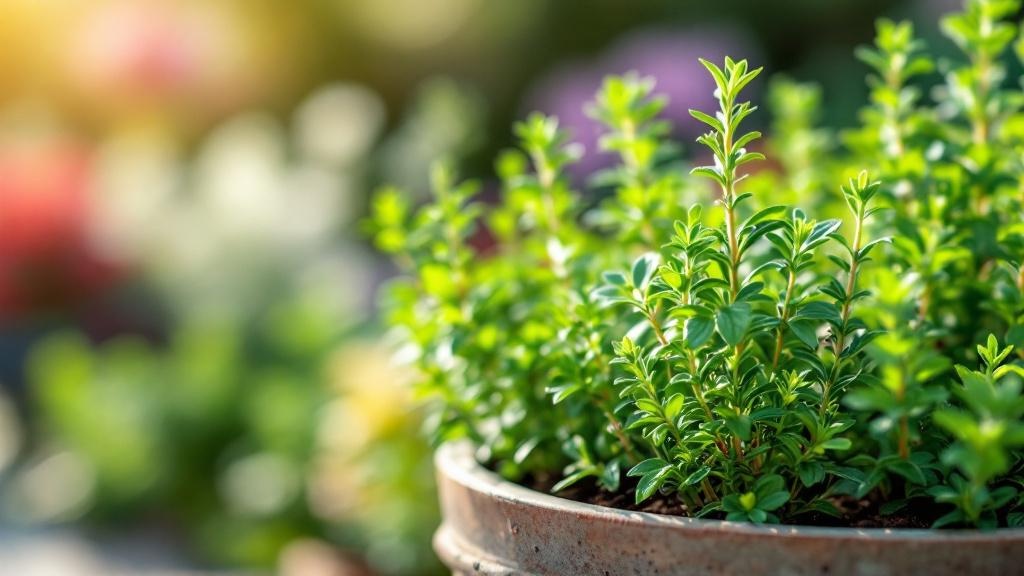
Watering Summer Savory: Finding the Right Balance
Water summer savory when the top 2-3 cm of soil feels dry, typically every 5-7 days in summer and less frequently in cooler periods. This Mediterranean herb prefers slightly dry conditions over wet feet, so always err on the side of underwatering. Container-grown plants dry out faster and may need water every 3-4 days during hot July and August weather. Avoid overhead watering in the evening to prevent fungal issues.
Light Requirements for Healthy Summer Savory
Summer savory demands full sun, requiring at least 6-8 hours of direct sunlight daily for optimal growth and essential oil production. In temperate gardens, choose your sunniest south-facing spot when planting out in mid-May after frost risk passes. Insufficient light results in leggy, weak stems and diminished flavor. Container plants can be moved to follow the sun throughout the growing season.
Soil and Repotting for Summer Savory
Plant summer savory in well-draining, moderately fertile soil with a pH between 6.5 and 7.5. Mix standard potting compost with 25-30% perlite or coarse sand to improve drainage. As an annual, repotting is rarely needed, but container plants benefit from fresh soil each spring when starting new plants. Avoid heavy clay soils which retain too much moisture and can cause root rot.
Temperature and Humidity Preferences
Summer savory thrives in temperatures between 15-25°C and tolerates summer heat well once established. Sow seeds indoors in late March or April, transplanting outdoors after the last frost, typically mid-May in zones 5-8. The plant is frost-sensitive and will die back with the first autumn frosts in September or October. Average household or outdoor humidity is perfectly adequate for this drought-tolerant herb.
Fertilizing Summer Savory Through the Season
Summer savory requires minimal feeding, as excess nitrogen produces lush leaves with diminished flavor. Apply a light dose of balanced organic fertilizer at planting time, or work in well-rotted compost before sowing. A single liquid feed at half-strength in mid-June supports steady growth without compromising essential oil concentration. Over-fertilizing is a common mistake that results in bland, less aromatic harvests.
Common Problems When Growing Summer Savory
Aphids occasionally cluster on tender shoot tips in late spring and early summer; blast them off with water or apply insecticidal soap. Root rot from overwatering causes yellowing lower leaves and wilting despite moist soil; improve drainage and reduce watering frequency immediately. Spider mites may appear during hot, dry periods in July and August, leaving fine webbing on leaves; increase humidity around plants and treat with neem oil if severe.
Frequently asked questions
How often should I water summer savory?
Water summer savory every 5-7 days when the top few centimeters of soil feel dry. This herb prefers slightly dry conditions and is more likely to suffer from overwatering than underwatering. During hot summer spells, container plants may need water every 3-4 days.
When should I harvest summer savory?
Harvest summer savory just before the plant flowers, typically 60-70 days after sowing, when essential oil content peaks. Cut stems in the morning after dew has dried for the best flavor. You can harvest continuously throughout summer by cutting back no more than one-third of the plant at a time.
Why are my summer savory leaves turning yellow?
Yellow leaves on summer savory usually indicate overwatering or poor drainage causing root stress. Check that soil drains freely and reduce watering frequency. Lower leaves naturally yellow and drop as the plant matures, which is normal and not cause for concern.
Can I grow summer savory indoors?
Yes, summer savory grows indoors if given at least 6 hours of direct sunlight or strong grow lights. Place pots on a sunny south-facing windowsill and ensure excellent drainage. Indoor plants tend to be less vigorous than outdoor-grown specimens but still provide usable harvests.
Is summer savory toxic to cats and dogs?
No, summer savory is non-toxic and safe around cats and dogs. The ASPCA lists it as a pet-safe herb. However, consuming large quantities of any plant material may cause mild digestive upset in pets, so keep plants out of reach if your pet tends to graze.