Joe Pye Weed
Joe Pye Weed is the statement plant every pollinator garden needs. Rising up to 2 meters tall with dome-shaped dusty pink flower heads from July through September, it transforms late-summer gardens into butterfly hotspots. The most common question gardeners ask is whether this moisture-loving giant can survive in average garden soil. The answer is yes, with proper site selection and occasional watering during dry spells, Joe Pye Weed adapts surprisingly well to typical temperate garden conditions.
Watering Joe Pye Weed: Keeping This Moisture Lover Happy
Joe Pye Weed naturally grows in wet meadows and stream banks, so it appreciates consistently moist soil. Water deeply once or twice weekly during dry summer periods, providing roughly 2-3 centimeters per week. Mulch around the base in late April to retain moisture. Established plants tolerate short dry spells better than young transplants.
Light Requirements: Where to Plant Joe Pye Weed
Plant Joe Pye Weed in full sun for the most abundant blooms and sturdiest stems. In warmer areas of zone 7-8, afternoon shade helps prevent leaf scorch during August heatwaves. Plants receiving less than 6 hours of direct sun will grow lankier and may require staking. Southern or western exposures work best in temperate gardens.
Soil and Repotting: Creating the Right Foundation
Joe Pye Weed thrives in rich, humus-heavy soil that holds moisture without becoming waterlogged. Amend average garden soil with generous amounts of compost before planting in April or early May. This plant rarely needs division, but if clumps become too large after 4-5 years, divide them in early spring just as new shoots emerge. Container growing is challenging due to the plants size and moisture needs.
Temperature and Humidity: Seasonal Considerations
This extremely hardy native handles winter temperatures down to minus 35C without protection. Cut stems back to 10-15 centimeters in late October after frost blackens the foliage. New growth emerges reliably in mid-April. Joe Pye Weed appreciates humidity and performs exceptionally well in naturally damp garden locations near ponds or in rain gardens.
Fertilizing Joe Pye Weed: Less Is More
In reasonably fertile soil, Joe Pye Weed needs minimal feeding. Apply a 5-centimeter layer of compost around the base each spring in March or April as shoots emerge. Avoid high-nitrogen fertilizers, which promote excessive leafy growth and weak stems prone to flopping. If growth seems stunted, a balanced organic fertilizer in early May provides a gentle boost.
Common Problems: Pests and Diseases to Watch For
Powdery mildew is the most frequent issue, appearing as white patches on lower leaves during humid August weather. Improve air circulation by spacing plants 60-90 centimeters apart and avoiding overhead watering. Aphids occasionally cluster on new growth in June but rarely cause serious damage. Slugs and snails may attack emerging shoots in early spring, so apply iron phosphate bait around plants in late March.
Frequently asked questions
How often should I water Joe Pye Weed?
Water Joe Pye Weed once or twice weekly during summer dry spells, providing about 2-3 centimeters of water per week. This native plant prefers consistently moist soil and will wilt noticeably when thirsty. Established plants tolerate brief drought better than first-year transplants.
Why are my Joe Pye Weed leaves turning yellow?
Yellow leaves on Joe Pye Weed typically indicate either drought stress or waterlogged soil causing root problems. Check soil moisture at a 5-centimeter depth to determine which issue you have. Nutrient deficiency is less common but can occur in very poor or sandy soils.
When does Joe Pye Weed bloom?
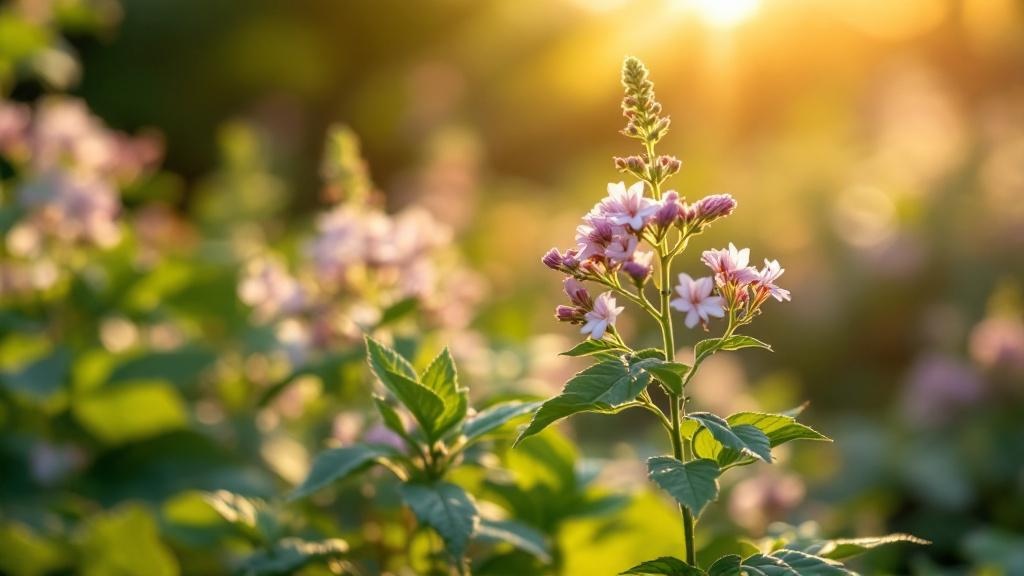
Joe Pye Weed blooms from mid-July through September in temperate climates, with peak flowering in August. The dusty pink to mauve flower clusters appear at the tops of tall stems and last 4-6 weeks. Deadheading spent blooms can extend flowering slightly but isnt necessary.
Is Joe Pye Weed toxic to cats?
Joe Pye Weed is not toxic to cats or dogs according to veterinary resources. This makes it an excellent choice for pet-friendly gardens. The bitter-tasting foliage is unappealing to most animals anyway.
How tall does Joe Pye Weed grow?
Joe Pye Weed typically reaches 1.5 to 2.2 meters tall in garden conditions, depending on moisture and soil fertility. The cultivar Eupatorium maculatum Gateway stays more compact at around 1.2-1.5 meters. Plants in shadier spots grow taller but may need staking.