Pickerel Weed
Pickerel Weed is one of the most rewarding aquatic plants for temperate pond gardens, producing elegant spikes of violet-blue flowers that attract bees and butterflies throughout summer. Native to North American wetlands, it thrives in the shallow margins of ponds and water features. The most common question gardeners ask is how deep to plant it and whether it survives winter outdoors. Good news: in USDA zones 5-8, Pickerel Weed is reliably hardy and returns stronger each spring.
Water Depth and Placement for Pickerel Weed
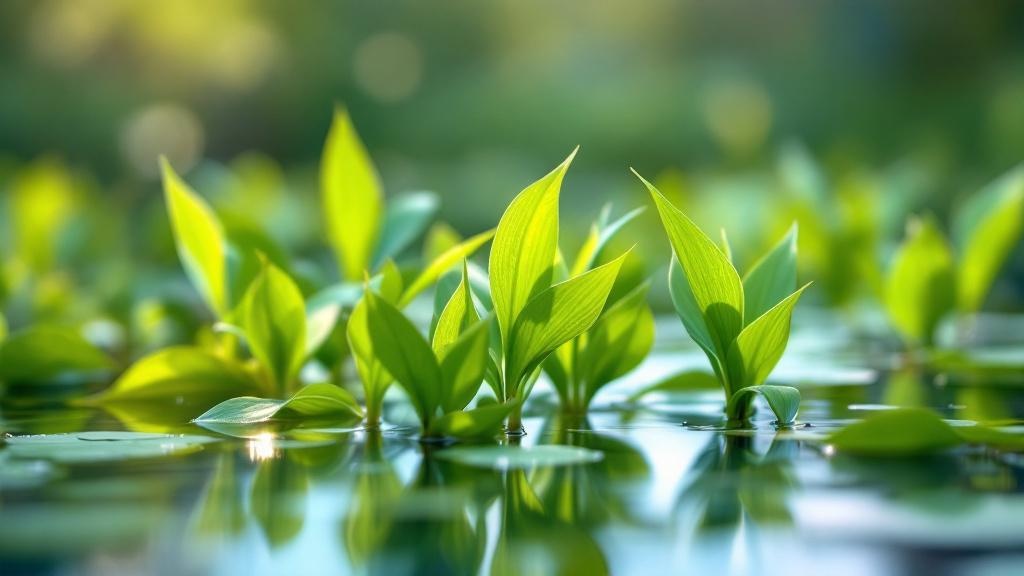
Plant Pickerel Weed with its crown submerged 5-15 cm below the water surface, though it tolerates depths up to 30 cm once established. Position it in the marginal shelf zone of your pond where water is shallow and still. In container water gardens, use a wide aquatic basket and keep the soil surface just below water level. The plant cannot dry out; constant moisture is essential.
Light Requirements for Healthy Blooms
Pickerel Weed flowers most prolifically in full sun, requiring at least 6 hours of direct sunlight daily during the growing season. It tolerates partial shade but produces fewer flower spikes and develops leggier growth. In the UK and Northern Europe, a south or west-facing pond position is ideal. Avoid heavily shaded spots under trees where falling leaves also foul the water.
Soil and Repotting Aquatic Baskets
Use heavy clay loam or specialized aquatic planting compost, never regular potting mix which floats and releases excess nutrients. Plant in mesh aquatic baskets lined with hessian to contain the soil while allowing roots to access pond water. Repot every 2-3 years in late April when growth resumes, dividing overcrowded clumps at the same time. Top-dress with gravel to prevent soil from clouding the water.
Temperature and Overwintering in Temperate Climates
Pickerel Weed is fully hardy in zones 5-8 and overwinters reliably beneath ice in established ponds. Foliage dies back after the first hard frosts in October or November; cut dead stems to just above water level to prevent rotting debris. In very shallow containers or above-ground water features that freeze solid, move the basket to a frost-free greenhouse or sink it into a deeper zone for winter. Growth resumes in late April when water temperatures rise above 10C.
Fertilizing Pond Plants Responsibly
Apply slow-release aquatic fertilizer tablets pushed into the soil in May and again in mid-July for vigorous flowering. Avoid granular or liquid fertilizers which dissolve into pond water and fuel algae blooms. One or two tablets per basket is sufficient for a season. In wildlife ponds with fish, the natural nutrient cycle often provides enough fertility without supplementation.
Common Problems and Pests
Pickerel Weed is generally pest-free but watch for brown china mark moth caterpillars, which cut leaf sections and create floating shelters in midsummer; remove affected foliage by hand. Aphids occasionally cluster on flower spikes in hot, dry June weather; a strong water spray dislodges them. Yellowing leaves usually indicate insufficient light or planting too deep. Root rot is rare but can occur if the crown sits in stagnant, anaerobic mud; ensure some water circulation.
Frequently asked questions
How deep should I plant Pickerel Weed in my pond?
Plant Pickerel Weed with 5-15 cm of water covering the crown, on the marginal shelf of your pond. It tolerates up to 30 cm depth once mature but flowers best in shallower water. Use an aquatic basket so you can adjust the height easily.
Why are my Pickerel Weed leaves turning yellow?
Yellow leaves typically mean the plant is positioned too deep or is not receiving enough sunlight. Move the basket to a shallower zone with at least 6 hours of direct sun. Old outer leaves naturally yellow in autumn before dieback, which is normal.
When does Pickerel Weed bloom?
Pickerel Weed blooms from June through September in temperate climates, with peak flowering in July and August. Each spike lasts about two weeks, and the plant produces successive spikes throughout summer. Full sun encourages the longest blooming period.
Is Pickerel Weed toxic to cats or dogs?
No, Pickerel Weed is not toxic to cats, dogs, or other pets. It is considered safe for wildlife ponds where animals may drink or wade. The seeds are actually edible and were historically consumed by Native Americans.
Can Pickerel Weed survive winter outdoors in the UK?
Yes, Pickerel Weed is fully hardy in the UK and survives winters outdoors without protection. The foliage dies back after frost, but the rhizome overwinters beneath the water and regrows in late spring. Only container ponds that freeze solid pose a risk.