Round-leaf Calathea
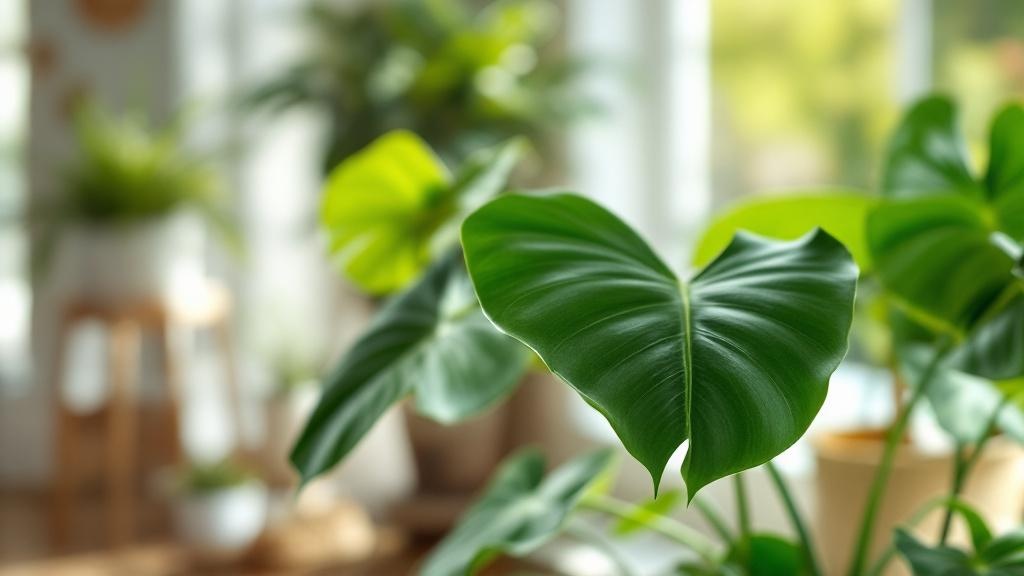
The Round-leaf Calathea is prized by houseplant collectors for its dramatic silvery-green foliage and the charming leaf movements that happen in response to light and temperature changes. Most indoor gardeners struggle with crispy leaf edges and finding the right watering balance. Unlike hardy succulents, this tropical plant needs consistent care and humidity to truly flourish in temperate homes.
Watering Your Round-leaf Calathea
Water every 7-10 days during the growing season (April to September) when the top 1-2 cm of soil feels dry. In winter (October to March), reduce frequency to every 10-14 days as growth slows. Use filtered or left-to-sit tap water, as chlorine and minerals can cause leaf spotting. Never let the soil dry out completely, but also avoid waterlogging, which leads to root rot.
Light Requirements and Placement
Position your Calathea in bright, indirect light—an east-facing or north-facing windowsill is ideal in temperate regions. Avoid direct afternoon sun, which can fade the delicate leaf patterns and scorch foliage. If natural light is limited, it tolerates lower light conditions but growth will slow. In winter when daylight hours decrease significantly, place it closer to a window to compensate.
Soil and Repotting Needs
Use a lightweight, peat-based potting mix or a blend of peat, perlite, and orchid bark to ensure excellent drainage while retaining moisture. Repot every 12-18 months in spring (late March to April) into a container only 1-2 cm larger. Calatheas prefer snug pots and can develop problems in oversized containers. Check for root-bound plants by gently removing the plant from its pot—visible circling roots mean it's time to repot.
Temperature and Humidity Control
Maintain temperatures between 18-24°C; sudden temperature drops below 15°C or drafts from windows and doors cause stress and leaf damage. Humidity is critical—aim for 50-60%. In heated homes during winter, use a pebble tray filled with water beneath the pot or mist the plant 2-3 times weekly. A small room humidifier near the plant is particularly helpful in central European winters.
Feeding and Nutrient Management
Feed monthly during the growing season (April to September) using a balanced, diluted liquid houseplant fertilizer at half strength. Stop feeding in autumn and winter when growth naturally slows. Over-feeding causes mineral buildup in the soil, leading to brown leaf tips and stress. If you notice brown edges already present, flush the soil with filtered water to remove accumulated salts.
Common Problems and Solutions
Brown or crispy leaf edges are the most common issue, caused by low humidity, chlorinated water, or inconsistent watering—switch to filtered water and increase humidity with misting or a humidifier. Yellow lower leaves and soft stems indicate overwatering or poor drainage; reduce frequency and check that your potting mix drains well. Spider mites and mealybugs occasionally appear in warm, dry conditions; spray affected leaves with diluted neem oil or insecticidal soap every 7 days until resolved.
Frequently asked questions
How often should I water my Calathea orbifolia?
Water every 7-10 days in spring and summer when the top 1-2 cm of soil is dry, and reduce to every 10-14 days in autumn and winter. Always use filtered water and ensure the pot has drainage holes to prevent root rot.
Why are the leaf edges of my Calathea turning brown?
Brown crispy edges result from low humidity, chlorinated tap water, or inconsistent watering. Use filtered water, increase humidity to 50-60% by misting or using a pebble tray, and water on a regular schedule rather than sporadically.
What light does a Round-leaf Calathea need?
Calathea orbifolia thrives in bright, indirect light such as an east or north-facing window. Avoid direct sun, which fades leaf patterns and causes damage, though it tolerates lower light as long as you don't expect vigorous growth.
Is Calathea orbifolia toxic to cats and dogs?
No, Calathea orbifolia is completely non-toxic to cats, dogs, and other pets. It's a safe choice for households with curious animals.
When should I repot my Calathea orbifolia?
Repot in spring (late March to April) when roots emerge from drainage holes or circle the soil surface. Move it into a pot only 1-2 cm larger, using fresh peat-based potting mix. Calatheas prefer snug containers and rarely need repotting more than every 12-18 months.