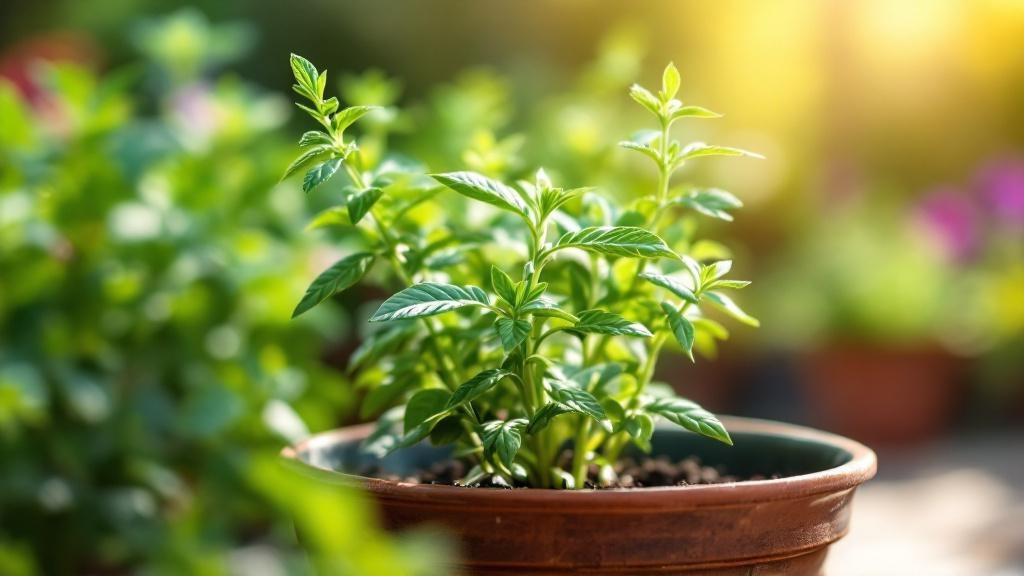
Mango
The mango tree is one of the most rewarding tropical plants you can grow from seed at home, and many gardeners in temperate zones have sprouted one from a grocery store fruit. The most common question is whether your mango will ever fruit indoors. While flowering is rare without tropical conditions, mango trees make impressive foliage plants that can live for decades with proper care. Understanding their tropical origins is key to keeping them healthy through cold winters.
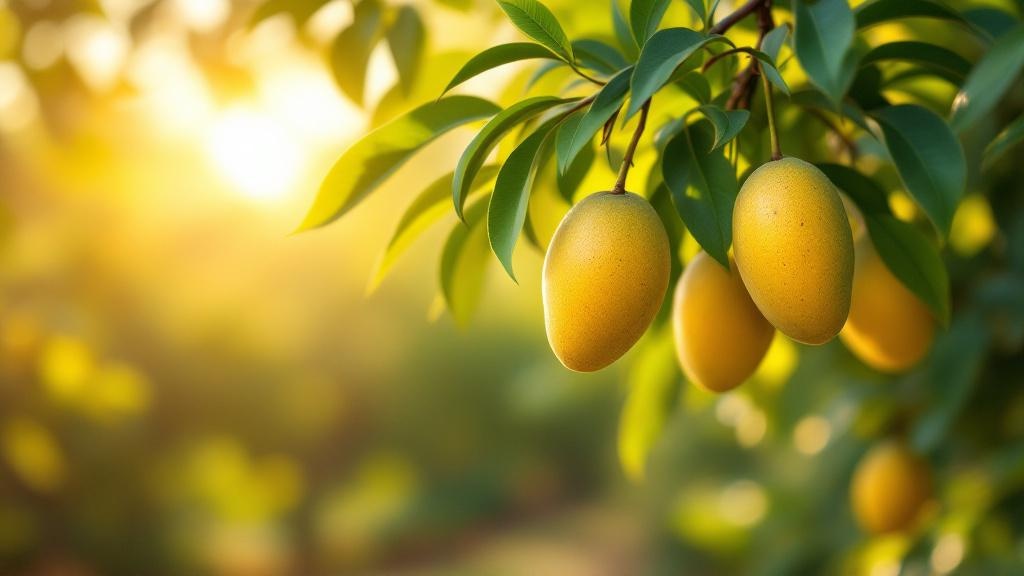
Watering Your Indoor Mango Tree
Water thoroughly when the top 5 cm of soil feels dry, typically every 7-10 days in summer and every 3-4 weeks in winter. Mango trees are drought-tolerant once established but hate sitting in water. Reduce watering significantly from October through February when growth slows. Always empty saucers after 30 minutes to prevent root rot.
Light Requirements for Healthy Growth
Mango trees need at least 6 hours of direct sunlight daily to thrive. Place yours in a south-facing window or conservatory from April through September. During the darker months from November to February, consider supplementing with a grow light for 10-12 hours daily. Insufficient light causes leggy growth and leaf drop.
Soil and Repotting Guidelines
Use a well-draining mix of standard potting soil, perlite, and sand in a 2:1:1 ratio. Mango trees prefer slightly acidic soil with a pH of 5.5-7.0. Repot young trees annually in March before the growing season, moving up one pot size. Mature trees in large containers only need repotting every 3-4 years or when roots emerge from drainage holes.
Temperature and Humidity Needs
Keep your mango tree in temperatures between 18-30°C during the growing season. The critical rule is never letting temperatures drop below 10°C, as cold damage is often fatal. Bring outdoor plants inside by mid-September in most of Central Europe and the UK. Mango trees tolerate average household humidity but appreciate occasional misting during winter when central heating dries the air.
Fertilizing for Strong Growth
Feed every 2-3 weeks from April through August with a balanced liquid fertilizer diluted to half strength. Switch to a high-potassium feed in late summer if you are hoping to encourage flowering in mature trees. Stop fertilizing entirely from October through March when the tree is semi-dormant. Over-fertilizing causes salt buildup and leaf tip burn.
Common Problems and Solutions
Spider mites thrive in warm, dry indoor conditions during winter heating season. Check leaf undersides regularly and treat with insecticidal soap or neem oil at first sign of webbing. Anthracnose fungus causes black spots on leaves during humid periods and spreads quickly. Remove affected leaves immediately and improve air circulation. Scale insects appear as brown bumps on stems and can be wiped off with alcohol-soaked cotton buds.
Frequently asked questions
Will my mango tree fruit indoors in the UK or Europe?
Fruiting is extremely unlikely indoors in temperate climates. Mango trees need tropical heat, intense sunlight, and typically 5-8 years of maturity before flowering. Even in a heated conservatory, the light levels during Northern European winters are insufficient to trigger blooming. Enjoy yours as an impressive foliage plant instead.
Why are my mango tree leaves turning yellow and dropping?
Yellow leaves usually indicate overwatering, especially during winter months. Check that your pot has drainage holes and that you are allowing the soil to dry between waterings. Cold temperatures below 12°C also cause yellowing and leaf drop. Move your tree to a warmer spot away from draughty windows.
When should I bring my mango tree indoors for winter?
Bring your mango tree indoors when night temperatures consistently drop below 12°C, typically by mid-September in Central Europe and the UK. Acclimate it gradually by moving it to a shaded outdoor spot for a week before bringing it inside. Place it in your brightest location, ideally a south-facing window or heated conservatory.
How big will a mango tree grow in a pot?
Potted mango trees typically reach 1.5-2 meters tall over several years when container-grown. Their size is naturally restricted by the pot, and annual pruning in early spring helps maintain a manageable shape. Pinch growing tips to encourage bushier growth rather than a single tall stem.
Is mango toxic to cats and dogs?
Yes, mango trees pose risks to pets. The sap, leaves, and fruit skin contain urushiol, the same irritant found in poison ivy. Contact can cause skin rashes and mouth irritation if chewed. The fruit flesh is safe, but keep pets away from the plant itself and discard pits where dogs cannot reach them.
🩺 Common diseases and pests
These problems commonly affect this plant. Click any to see full symptom descriptions, organic and chemical treatment, and prevention.