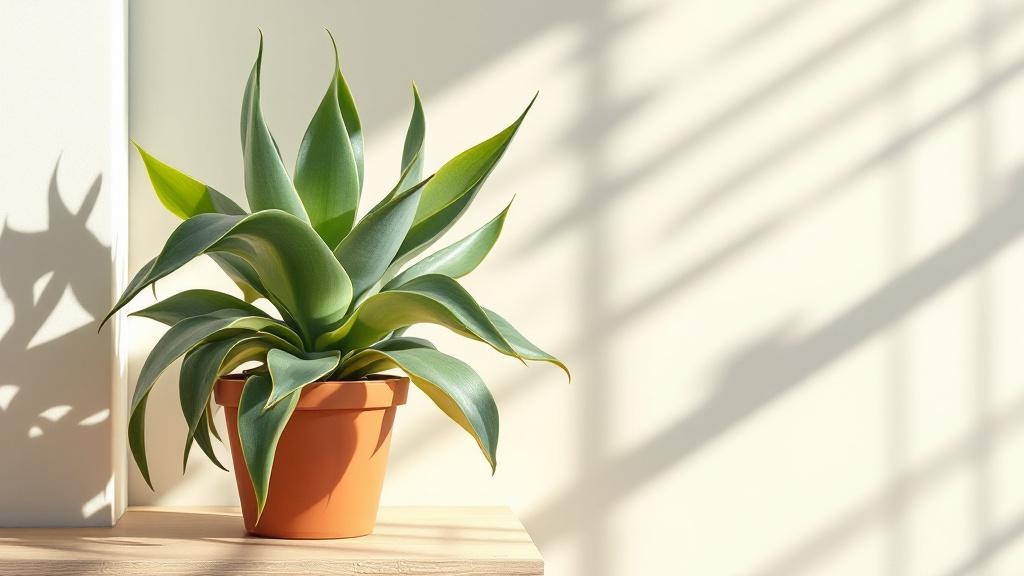
Spider Plant
Spider plants are among the most forgiving houseplants you can grow, making them ideal for beginners and busy gardeners alike. Their distinctive arching foliage and prolific baby plantlets create striking visual impact in any room. The most common question is why leaf tips turn brown — usually due to hard tap water, low humidity, or inconsistent watering. Once you understand their simple needs, spider plants reward you with years of lush, trouble-free growth.
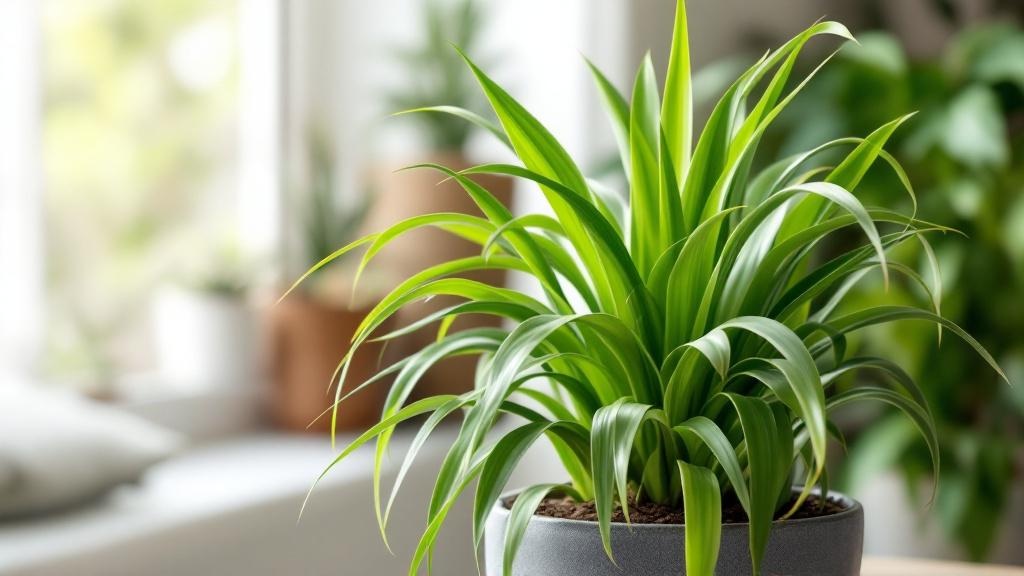
Watering Spider Plants
Water every 7-10 days in spring and summer when the top inch of soil feels dry, reducing to every 10-14 days in autumn and winter. Spider plants prefer consistently moist but never waterlogged soil — overwatering is the primary cause of root rot. If your tap water is hard or heavily chlorinated, use filtered or rainwater to prevent brown leaf tips. Allow soil to dry slightly between waterings during the cooler months when growth slows.
Light Requirements for Spider Plants
Bright indirect light is ideal, but spider plants are remarkably tolerant of low-light conditions — they'll simply grow more slowly. Keep plants away from direct afternoon sun, which can scorch the leaf edges, especially in summer when UV intensity peaks. A spot near an east or north-facing window is perfect in temperate regions. If your plant's leaf variegation becomes less pronounced or growth slows noticeably, it likely needs more light — move it closer to a window.
Soil and Repotting
Use a standard well-draining houseplant potting mix enriched with a little perlite or orchid bark to prevent waterlogging. Repot every 18-24 months in spring, just before the growing season begins, or when roots emerge from drainage holes. Spider plants aren't heavy feeders and don't mind being slightly pot-bound, so only move to a container 1-2 inches larger in diameter. Ensure pots have drainage holes to prevent water pooling at the roots.
Temperature and Humidity
Spider plants thrive in average room temperatures between 15-25°C (59-77°F) and tolerate typical household humidity levels well. Avoid placing plants near heating vents or cold drafts in winter, as temperature fluctuations can stress them. Misting the foliage weekly or placing pots on a pebble tray with water helps prevent the brown leaf tips caused by dry air during central heating season. They have no special dormancy period and can remain active year-round in temperate homes.
Fertilizing Spider Plants
Feed monthly during spring and summer with a diluted balanced liquid houseplant fertilizer (half the recommended strength) to avoid nutrient buildup. Stop feeding from October through February when growth naturally slows in temperate climates. Spider plants don't require heavy nutrition — excess fertilizer often causes brown tips and can damage roots. If your plant looks pale or growth stalls, fertilizing may help, but spider plants typically thrive with minimal feeding.
Common Problems and Solutions
Brown leaf tips are the most frequent issue, caused by chlorine or minerals in tap water, low humidity, or inconsistent watering — switch to filtered water and mist regularly. Spider mites occasionally appear in dry indoor air, especially near heating systems; spray affected foliage with water or use neem oil if infestation is severe. Root rot from overwatering is less common but fatal — always let soil dry slightly between waterings and ensure drainage holes are unobstructed. Mealybugs may colonize new plantlets; isolate affected plants and treat with insecticidal soap.
Frequently asked questions
How often should I water my spider plant?
Water every 7-10 days in summer when the top inch of soil is dry, and reduce to every 10-14 days in winter. Spider plants prefer consistently moist but not waterlogged soil, so always check before watering rather than following a fixed schedule.
Why are the tips of my spider plant leaves brown?
Brown leaf tips are typically caused by hard tap water containing chlorine or minerals, low humidity, or inconsistent watering patterns. Switch to filtered or rainwater, mist the plant weekly, and water on a regular schedule to prevent this cosmetic issue.
Can I grow spider plant babies as new plants?
Yes, spider plant plantlets root easily in water or moist soil once they develop small nodes or roots. Place the runner stem in a glass of water until roots are about 1 cm long, then pot into soil; they'll establish within 2-3 weeks in spring or early summer.
Is spider plant toxic to cats and dogs?
No, spider plants are completely non-toxic to cats and dogs, making them an excellent choice for homes with pets. However, cats may nibble the leaves occasionally, which is harmless to the animal but can damage the plant's appearance.
What light does a spider plant need?
Bright indirect light is ideal, but spider plants tolerate low-light conditions surprisingly well, though growth slows. Avoid direct hot afternoon sun which can scorch leaf edges; an east or north-facing window in temperate regions works perfectly.
🩺 Common diseases and pests
These problems commonly affect this plant. Click any to see full symptom descriptions, organic and chemical treatment, and prevention.