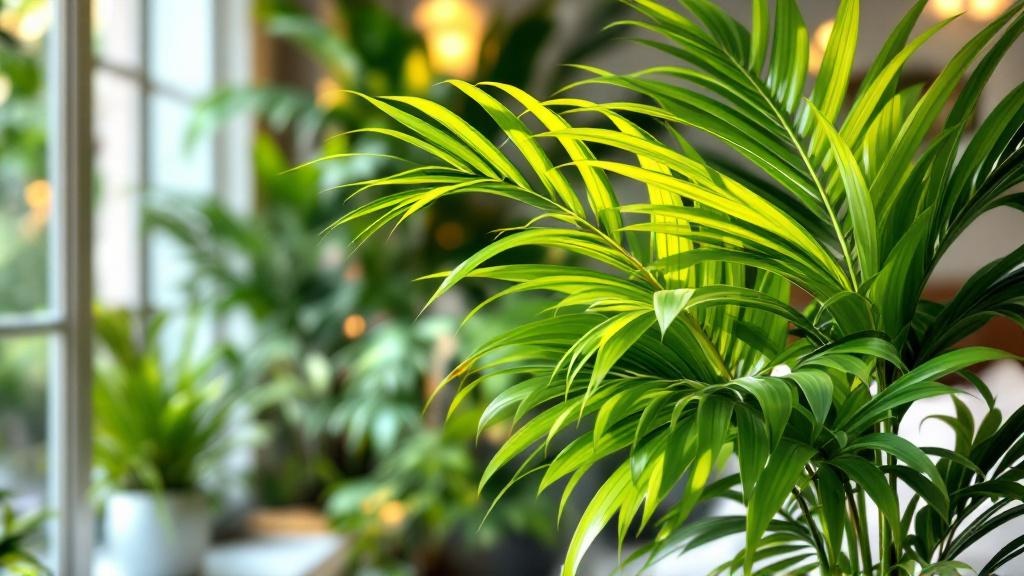
Corn Plant
The Corn Plant (Dracaena fragrans) earns its name from its arching, corn-stalk-like foliage and has been a beloved houseplant since the Victorian era. Native to tropical Africa, it adapts remarkably well to indoor conditions in temperate homes. The most common question plant owners ask is why their Corn Plant's leaves are turning brown or yellow, which usually comes down to watering habits or tap water sensitivity. With proper care, this elegant plant can grow over 1.5 metres tall indoors.
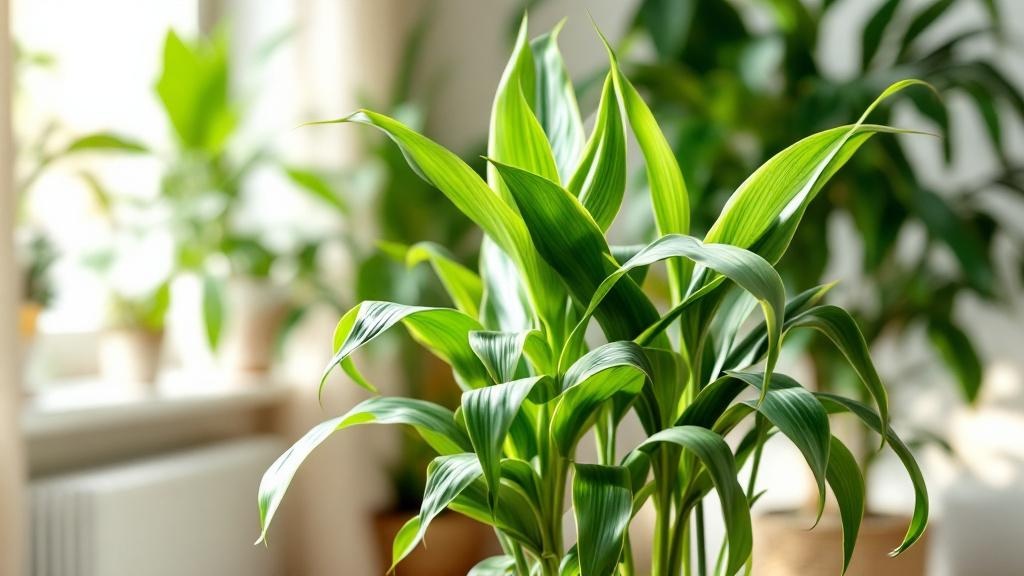
Watering Your Corn Plant Correctly
Water your Corn Plant every 10-14 days during spring and summer, allowing the top 5cm of soil to dry out between waterings. In winter (November through February), reduce watering to every 3-4 weeks as growth slows significantly. Corn Plants are sensitive to fluoride and chlorine in tap water, which causes brown leaf tips — use rainwater, filtered water, or leave tap water out overnight before using.
Light Requirements for Dracaena Fragrans
Corn Plants tolerate a wide range of light conditions, from bright indirect light to relatively dim corners. Position them near a north or east-facing window, or set back from south or west-facing windows to avoid direct sun, which scorches the leaves. Variegated varieties with yellow stripes need more light to maintain their colouring. In the darker months from October to March, consider moving your plant closer to windows.
Soil and Repotting Guidelines
Use a well-draining potting mix combining regular houseplant compost with perlite or coarse sand in a 3:1 ratio. Repot every 2-3 years in April or May, moving up just one pot size. Corn Plants prefer being slightly rootbound, so avoid overpotting. Ensure your container has drainage holes to prevent waterlogging, which quickly leads to root rot.
Temperature and Humidity Needs
Maintain temperatures between 15-24°C year-round, which suits most temperate homes well. Keep your plant away from cold draughts near windows and exterior doors during winter, and avoid placing it near radiators that create dry, hot air. Average household humidity of 40-50% is adequate, but misting the leaves weekly or using a pebble tray benefits the plant, especially when central heating runs from October onwards.
Feeding Your Corn Plant
Apply a balanced liquid houseplant fertiliser diluted to half strength every 4-6 weeks from April through September. Stop feeding entirely from October to March when the plant enters its rest period. Over-fertilising causes salt buildup in the soil, visible as white crust on the surface, and can burn the roots. If buildup occurs, flush the soil thoroughly with plain water.
Common Problems and Solutions
Brown leaf tips usually indicate fluoride sensitivity or inconsistent watering — switch to filtered water and establish a regular schedule. Yellowing lower leaves are normal as the plant ages, but widespread yellowing suggests overwatering or root rot. Watch for spider mites in heated winter rooms and mealybugs hiding in leaf axils — wipe leaves monthly with a damp cloth and treat infestations with insecticidal soap or neem oil available at garden centres.
Frequently asked questions
How often should I water a Corn Plant?
Water your Corn Plant every 10-14 days in the growing season, allowing the top 5cm of soil to dry first. In winter, reduce watering to every 3-4 weeks. Always check soil moisture with your finger rather than following a strict schedule, as indoor conditions vary.
Why are my Corn Plant leaves turning yellow?
Yellow leaves on a Corn Plant most commonly indicate overwatering or poor drainage. Check that your pot has drainage holes and that you are letting the soil dry adequately between waterings. Some lower leaf yellowing is natural as the plant matures and sheds older foliage.
Is the Corn Plant toxic to cats?
Yes, Corn Plants are toxic to cats and dogs. Ingestion causes drooling, vomiting, weakness, and loss of appetite due to saponins in the leaves. Keep the plant out of reach of pets, or choose a pet-safe alternative like a spider plant or Boston fern.
Why does my Corn Plant have brown tips?
Brown leaf tips on Corn Plants are typically caused by fluoride or chlorine in tap water. Switch to rainwater, distilled water, or let tap water sit out for 24 hours before use. Low humidity during the heating season can also contribute to crispy tips.
Does the Corn Plant flower indoors?
Corn Plants rarely flower indoors in temperate climates, though mature specimens occasionally produce fragrant white flower clusters. Flowering is more likely when the plant experiences a slight temperature drop in winter and receives bright light. The sweet-scented blooms typically appear in late winter if they occur at all.