Lavender
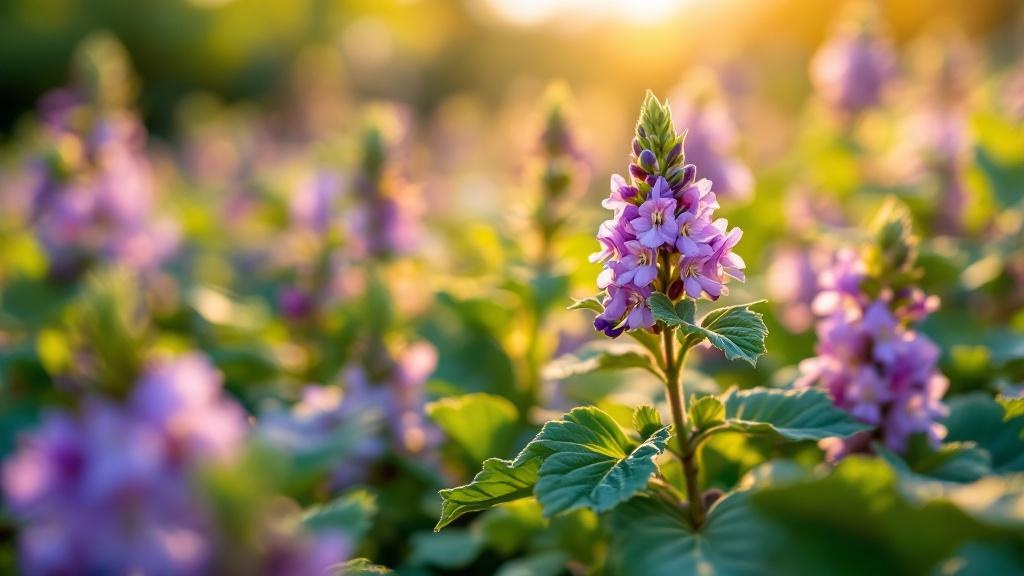
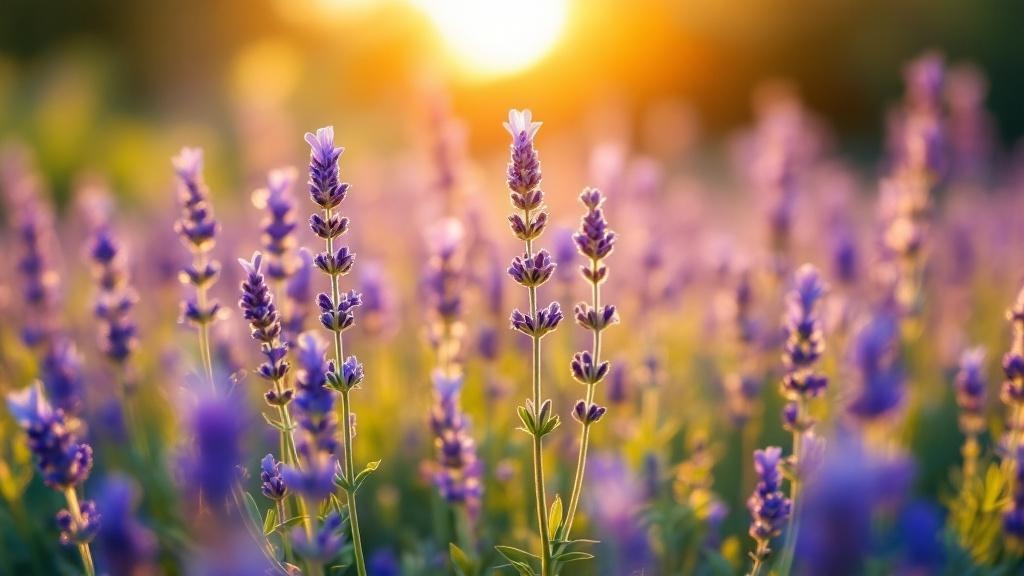
English lavender is one of the most rewarding perennials for temperate gardeners, offering fragrant purple flowers, drought tolerance, and year-round structure. The most common question is how to keep lavender healthy without overwatering, especially in regions with winter rainfall. This guide covers everything you need to grow robust, blooming plants whether you're starting from seed, transplants, or establishing an existing plant.
Watering your English lavender
English lavender prefers dry conditions and dislikes wet roots, so water deeply but infrequently rather than little and often. Young plants need watering every 7-10 days during their first growing season, but established plants are very drought-tolerant and rarely need supplemental water after their first year in temperate regions. During winter dormancy, water only if the soil becomes completely dry; heavy winter rainfall in the UK and Central Europe usually provides sufficient moisture. The key is ensuring soil drains freely—if water pools around the base, your lavender will rot.
Light requirements for lavender
Lavender is a sun-lover and performs best with at least 6 hours of direct sunlight daily, ideally 8+ hours. Plants grown in partial shade become leggy, produce fewer flowers, and are more susceptible to mildew in humid temperate climates. Position lavender in an open location away from shade cast by buildings or trees, especially in northern regions where light is more limited in winter. If you're growing in a container, move it to the sunniest spot available.
Soil preparation and repotting
English lavender demands well-draining soil and will not tolerate heavy clay or waterlogged conditions. Amend native soil with horticultural sand, grit, or perlite to improve drainage—aim for a mix that allows water to drain within seconds. For container growing, use a peat-free multipurpose compost mixed 50:50 with horticultural sand or perlite. Repot container plants every 2-3 years in late spring; in-ground lavender rarely needs repotting and benefits from being left undisturbed for many years.
Temperature and humidity management
English lavender is hardy down to around -15°C and thrives throughout USDA zones 5-8 without winter protection in most temperate regions. The plant dislikes humidity and is prone to fungal issues in damp summers, particularly powdery mildew. Ensure good air circulation by spacing plants 45-60 cm apart and avoiding overhead watering. In very wet autumns, trim back spent flowers in September to help the plant dry out before winter cold.
Fertilizing lavender
Lavender is not a heavy feeder and rarely needs supplemental fertilizer if planted in reasonable soil. Over-fertilizing, especially with nitrogen-rich feeds, produces soft growth prone to disease and reduces flowering. If your soil is very poor, apply a light dressing of balanced, slow-release fertilizer in early spring; for container plants, a quarterly feed at half strength is sufficient during the growing season. Avoid feeding after July to allow the plant to harden off for winter.
Common lavender problems and solutions
Root rot from waterlogging is the most common killer; prevent it by ensuring excellent drainage and watering only when soil is dry 5 cm down. Powdery mildew appears as white coating on leaves in humid conditions—improve air circulation, avoid evening watering, and remove affected growth. Spider mites occasionally affect container plants in hot spells; spray with water or insecticidal soap if infestations develop. In temperate regions, fungal leaf spot and rust can occur in very wet seasons; prune affected stems and thin the plant for better airflow.
Frequently asked questions
How often should I water English lavender?
Water young plants every 7-10 days during their first season, but established lavender is very drought-tolerant and rarely needs watering in temperate climates with natural rainfall. Always check that the top 5 cm of soil is dry before watering again, as overwatering causes root rot. In containers, water when the soil feels dry to the touch, typically weekly in summer and rarely in winter.
Why is my lavender turning brown or dying?
Brown, wilting lavender almost always indicates root rot from waterlogging or poorly draining soil. Check the base for soft, mushy stems; if rot has started, remove the plant, repot or replant in well-draining soil amended with sand and grit, and reduce watering immediately. Prevent this by ensuring drainage holes in pots and amending garden soil liberally with coarse sand before planting.
When does English lavender bloom and how long does it flower?
English lavender blooms from late June through August in temperate climates, with peak flowering in July. Deadheading spent flowers every few weeks encourages prolonged blooming through September. A light flush of smaller flowers often appears in autumn if you cut back heavily after the main flush fades.
Do I need to prune English lavender and when?
Yes, annual pruning is essential to maintain a compact shape and encourage healthy flowering. In late August or September, after main flowering, cut back stems by one-third, removing spent flowers and some green growth—never cut into woody growth below the foliage line. In early spring (March), do a lighter tidy, removing any winter-damaged growth, but avoid hard pruning at this time.
Is English lavender safe for pets?
Yes, English lavender is completely non-toxic to cats, dogs, and other pets. However, avoid treating it with pesticides if pets have access to the plant, and be aware that some animals may be attracted to the scent and nibble leaves.