American Agave
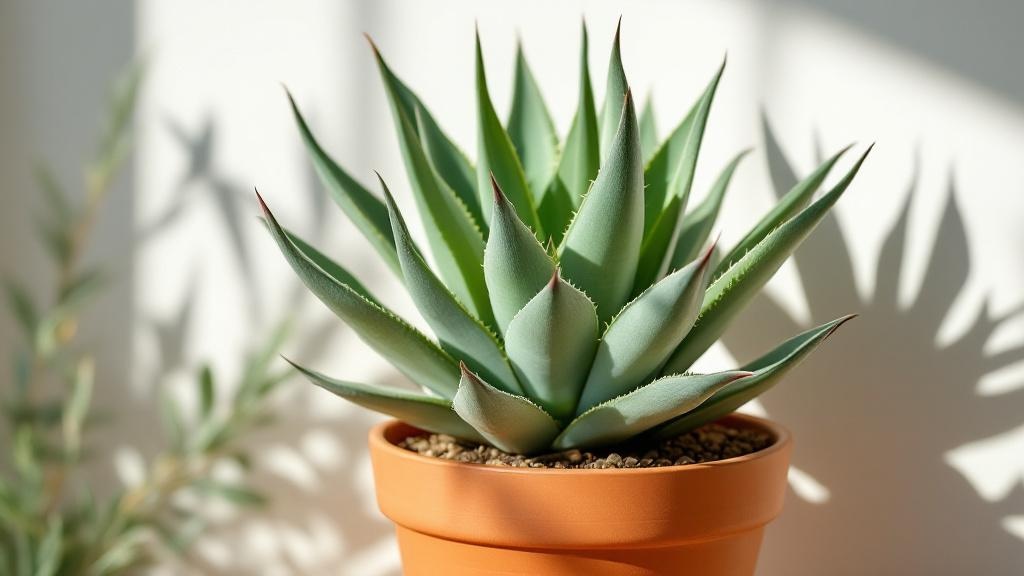
American Agave brings bold, architectural beauty to any plant collection with its striking blue-green rosettes and impressive size. The most common question gardeners ask is how to overwinter this desert native in cooler climates. Originally from Mexico, Agave americana adapts surprisingly well to container life in temperate zones, provided you give it a bright spot and resist the urge to overwater. With proper care, your agave can live for decades as a stunning focal point.
Watering Your American Agave Without Causing Root Rot
Water thoroughly every 2-3 weeks during the growing season from April to September, allowing the soil to dry completely between waterings. In winter, reduce to once monthly or less, as the plant enters dormancy. Always empty saucers after watering and never let the rosette sit in moisture. When in doubt, wait another week — underwatering is far safer than overwatering with agaves.
Light Requirements for Healthy Agave Growth
American Agave needs the brightest spot you can provide, ideally a south-facing window with 6 or more hours of direct sunlight. From late May through September, move your agave outdoors to a sunny patio or balcony for optimal growth. Acclimate gradually over 7-10 days to prevent sunburn when transitioning outside. Insufficient light causes etiolation, where the rosette stretches and loses its compact form.
Soil and Repotting for Long-Term Agave Health
Use a fast-draining cactus mix amended with extra perlite or pumice at a 2:1 ratio. Terracotta pots work best as they wick away excess moisture. Repot in April or May every 3-4 years, moving up just one pot size. Handle carefully during repotting, as the sharp terminal spines can cause painful puncture wounds.
Temperature and Humidity for Temperate Climate Success
Keep your agave above 10°C at all times, as it cannot tolerate frost. Bring outdoor plants inside by mid-September before nighttime temperatures drop below 7°C. Average household humidity is fine; avoid misting, which can cause rot. During winter dormancy, a cool room around 10-15°C with bright light is ideal.
Fertilizing Your American Agave
Feed sparingly with a half-strength cactus fertilizer once monthly from May through August. Avoid fertilizing in autumn and winter when growth naturally slows. Overfertilizing causes weak, leggy growth and can burn the roots. Young plants benefit from slightly more frequent feeding to establish strong roots.
Common Problems and How to Fix Them
Root rot from overwatering is the primary killer — if lower leaves turn mushy and black, reduce watering immediately and repot into dry soil. Mealybugs hide in the leaf axils and appear as white cottony masses; treat with isopropyl alcohol on a cotton swab or neem oil spray. Scale insects may appear as brown bumps on leaves; scrape off manually and treat with horticultural oil. Watch for agave snout weevil in outdoor plants, which causes sudden collapse of the central rosette.
Frequently asked questions
How often should I water American Agave?
Water every 2-3 weeks in summer and once monthly or less in winter. Always let the soil dry completely before watering again. Agaves store water in their thick leaves and tolerate drought far better than excess moisture.
Why are my Agave americana leaves turning yellow?
Yellow leaves typically indicate overwatering or poor drainage causing root stress. Check that your pot has drainage holes and the soil dries out between waterings. Lower leaves naturally yellow and dry as the plant ages, which is normal.
Can American Agave survive winter outdoors in the UK?
No, American Agave cannot survive UK winters outdoors as it is damaged below minus 5°C. Bring container plants indoors by mid-September and place in a cool, bright room. Some gardeners in sheltered coastal areas succeed with heavy mulching, but indoor overwintering is far safer.
Is American Agave toxic to cats?
Yes, American Agave is toxic to cats and dogs. The sap contains saponins and calcium oxalate crystals that cause mouth irritation, drooling, and digestive upset if chewed. Keep plants out of reach of curious pets.
How big does Agave americana grow indoors?
Indoor American Agave typically reaches 60-90cm in diameter over many years, smaller than outdoor specimens. Container size naturally restricts growth, and the slow growth rate of 2-3 new leaves per year means it remains manageable. Expect your plant to take 10-15 years to reach full indoor size.