Hops
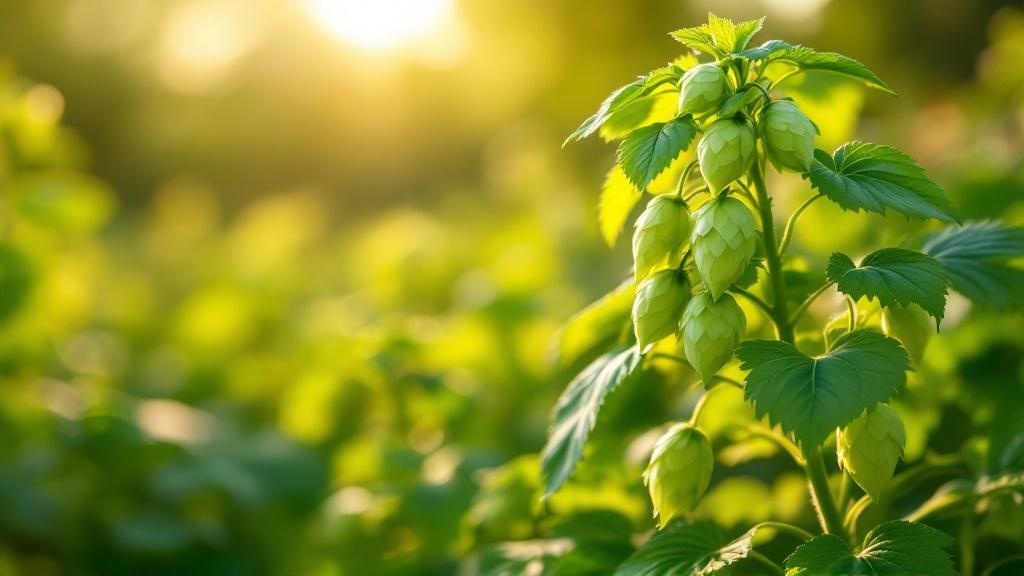
Hops is a rewarding perennial climber that adds vertical interest to gardens while producing beautiful cone-shaped flowers rich in aroma and flavor. Whether you're a home brewer, herbal tea enthusiast, or simply looking for a hardy climbing plant, hops is surprisingly easy to grow. The most common question gardeners ask is how to support this vigorous vine and when to harvest the cones at peak maturity.
Watering Hops Correctly
Water hops deeply every 7-10 days during the growing season (April through September in temperate regions), ensuring soil stays moist but never waterlogged. Reduce watering significantly in autumn as the plant prepares for dormancy, and water sparingly during winter when the vine has died back. In very dry spells, increase frequency to twice weekly. Once established, hops is drought-tolerant but produces stronger cones with consistent moisture.
Light Requirements for Hops
Hops demands full sun to thrive and flower prolifically — aim for a minimum of 6-8 hours of direct sunlight daily. Plant in south or west-facing positions in temperate zones to maximize warmth and light exposure. Insufficient light results in weak vine growth, sparse flowering, and reduced cone quality. Morning sun followed by dappled afternoon shade in very hot regions (USDA zone 8) can prevent stress, but avoid heavy shade.
Soil Preparation and Repotting
Hops thrives in fertile, well-draining soil with a pH of 6.0-7.0; amend heavy clay with compost and sand before planting. Space plants 30-60 cm apart as rhizomes spread horizontally. This is a perennial that rarely needs repotting if grown in-ground, but container-grown hops benefit from repotting into a 20+ liter pot or moving to larger beds after 2-3 years. Refresh top-dressing with 5 cm of compost each spring.
Temperature and Humidity Needs
Hops is extremely cold-hardy, surviving winters as low as -20°C (ideal for zones 5-8) and dying back fully in autumn — this dormancy is essential for cone production. Humidity is not critical, but good air circulation prevents fungal disease, especially in humid springs. In temperate climates, late frosts (April) rarely damage new growth since it emerges after frost risk. Mulch roots with 5 cm of compost in late October to protect rhizomes.
Fertilizing Hops Plants
Apply a balanced fertilizer (10-10-10 or similar) in early April as growth begins, followed by a high-potassium feed (e.g., tomato fertilizer) in June to boost cone development. Avoid excessive nitrogen, which promotes foliage at the expense of flowers. A slow-release granular feed in spring suffices for most gardeners; alternatively, apply 2-3 cm of well-rotted compost or manure as mulch each spring. Over-fertilized plants produce tall vines with poor cone yield.
Common Hops Problems and Solutions
Powdery mildew and downy mildew are the most common diseases in temperate climates, especially in humid springs — improve air circulation, prune lower foliage, and apply sulfur spray (approved for hops) if needed. Spider mites cause yellowing leaves in hot, dry conditions; increase humidity and spray with neem oil. Japanese beetles and hop aphids may appear in July-August; hand-pick beetles and use insecticidal soap for aphids. Yellowing lower leaves in summer is normal senescence.
Frequently asked questions
How often should I water hops?
Water hops every 7-10 days during the growing season (April-September) to keep soil consistently moist. Reduce frequency in autumn and winter dormancy when the vine dies back. In very hot or dry spells, water twice weekly to prevent stress.
When do I harvest hops cones?
Harvest hops in late August to early September when cones feel papery, turn golden-green, and release a strong aroma when squeezed. They should easily pull from the vine and feel light and dry. Timing is critical — over-ripe cones lose potency and aroma quality.
How much sun does hops need to grow?
Hops requires at least 6-8 hours of direct sunlight daily to flower well and produce quality cones. Plant in full sun on a south or west-facing support for best results. Shade significantly reduces cone yield and vine vigor.
What kind of support does hops need?
Hops are vigorous climbers that can reach 3-6 meters in a season and need sturdy vertical support such as a trellis, twine strung between posts, or a pergola. Use thick twine or wire capable of supporting 5-10 kg of vine weight, anchored firmly to prevent collapse at harvest.
Is hops toxic to pets or children?
Hops is generally non-toxic, but the lupulin powder in dried cones may upset sensitive pets' stomachs if ingested in quantity. Keep dried cones out of reach of curious dogs and cats. The plant itself poses no risk to children playing nearby.