Lemon Thyme
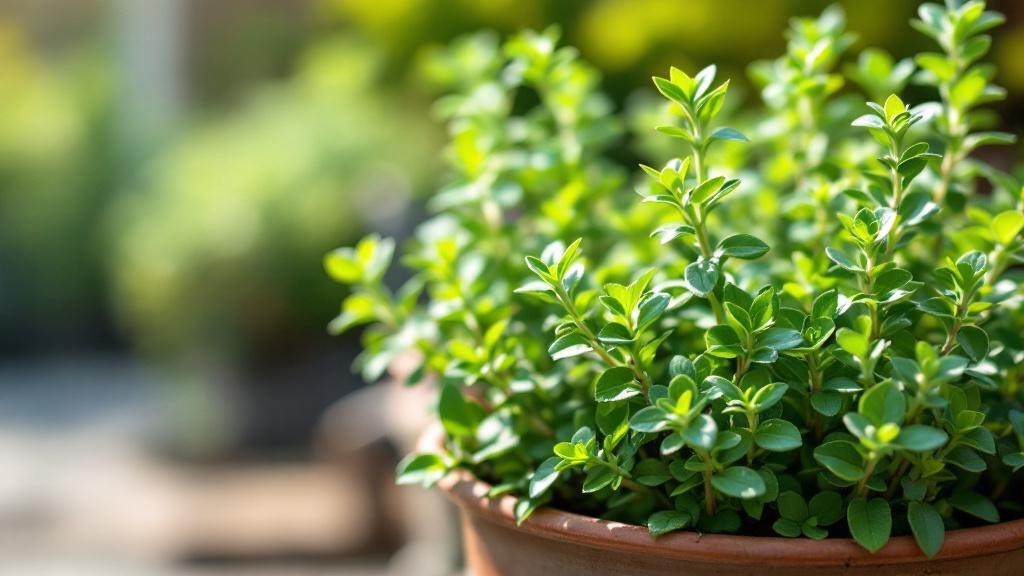
Lemon thyme brings a refreshing citrus twist to your herb garden, combining the earthy warmth of common thyme with bright lemon notes. This Mediterranean native has adapted beautifully to temperate climates, often surviving harsh winters with minimal protection. The most common question gardeners ask is how to keep lemon thyme from becoming woody and leggy — the answer lies in regular harvesting and proper pruning timing, which we cover in detail below.
Watering Lemon Thyme: Less Is More
Lemon thyme prefers to dry out between waterings, typically needing water every 10-14 days in summer and even less frequently in winter. Always check that the top 3-4 cm of soil is completely dry before watering. Overwatering is the most common killer of thyme plants, leading to root rot. Container-grown plants may need slightly more frequent watering than garden specimens, especially during July and August heat.
Light Requirements for Healthy Growth
Position your lemon thyme in full sun with at least 6 hours of direct sunlight daily. South-facing windowsills work best for indoor plants, though they benefit from moving outdoors from May through September. Insufficient light causes leggy, sparse growth and reduces the essential oil content that gives the leaves their signature citrus fragrance. In partial shade, the plant survives but rarely thrives.
Soil and Repotting Guidelines
Lemon thyme demands excellent drainage and prefers slightly alkaline, sandy soil with a pH of 6.5-7.5. Mix standard potting compost with 30-40% horticultural grit or perlite for container growing. Repot every 2-3 years in early April, choosing a pot only slightly larger than the root ball. Garden plants thrive in poor, rocky soil where other herbs struggle — avoid rich, fertile beds.
Temperature and Humidity Needs
This hardy perennial tolerates temperatures from -15°C to 30°C, making it reliably perennial in USDA zones 5-8. In late October, apply a light mulch of gravel around outdoor plants to protect roots and prevent winter wet. Lemon thyme dislikes humidity; ensure good air circulation indoors and avoid misting. Container plants can stay outdoors year-round in most temperate regions but appreciate a sheltered spot near a south-facing wall.
Fertilizing Your Lemon Thyme
Lemon thyme needs minimal feeding — excessive fertilizer produces lush but flavourless growth. Apply a light dose of balanced organic fertilizer once in mid-April as new growth begins. For container plants, a half-strength liquid feed monthly from May to August is sufficient. Avoid nitrogen-heavy fertilizers which encourage leafy growth at the expense of aromatic essential oils.
Common Problems and Solutions
Fungal root rot from overwatering is the primary threat; affected plants show wilting despite moist soil and should be removed to prevent spread. Spider mites occasionally attack indoor plants during dry winter months — increase humidity slightly and wipe leaves with damp cloth. Woody, bare stems indicate the plant needs rejuvenation pruning in late March, cutting back by one-third to encourage fresh growth from the base.
Frequently asked questions
How often should I water lemon thyme?
Water lemon thyme every 10-14 days, allowing soil to dry completely between waterings. This drought-tolerant herb suffers more from overwatering than underwatering. In winter, reduce to once every 3-4 weeks for outdoor plants.
Why is my lemon thyme turning brown?
Brown lemon thyme typically indicates overwatering or poor drainage causing root rot. Check if the soil stays soggy and repot immediately into grittier mix if needed. Winter browning can also result from cold, wet conditions rather than cold temperatures alone.
When should I prune lemon thyme?
Prune lemon thyme in late March to early April, just as new growth appears, cutting back by one-third to prevent woodiness. Light harvesting throughout the growing season also acts as pruning. Avoid cutting into old woody stems as they rarely regenerate.
Can lemon thyme survive winter outside?
Yes, lemon thyme is hardy to -15°C and survives most temperate winters outdoors without protection. Mulch with gravel in late October to improve drainage around roots. Container plants are more vulnerable and benefit from placement against a sheltered wall.
Is lemon thyme safe for cats?
Lemon thyme is non-toxic and completely safe for cats and dogs. Unlike some herbs, it poses no risk if pets nibble the leaves occasionally. The plant is even used in some natural pet care products for its mild antiseptic properties.