Small-leaved Lime
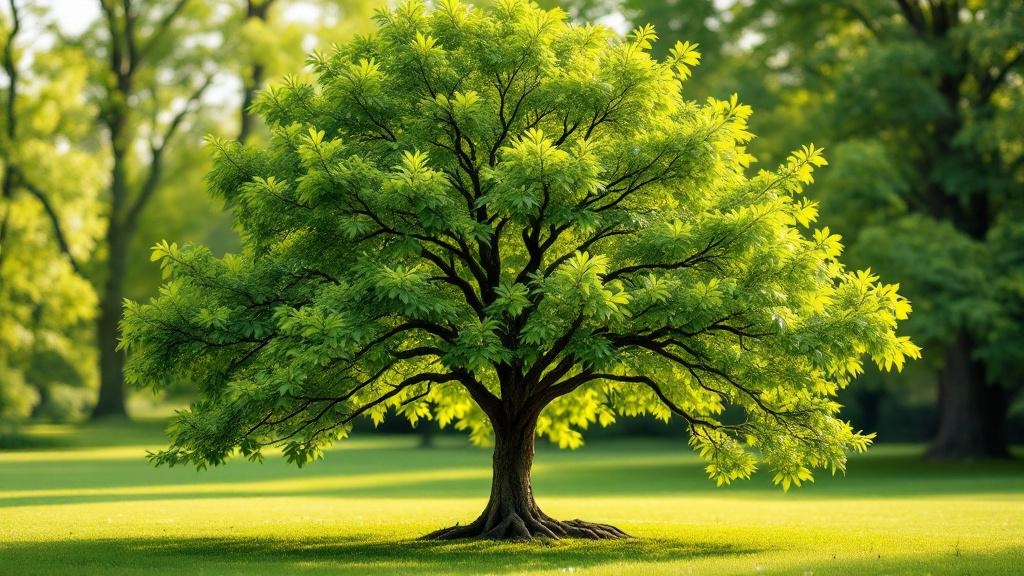
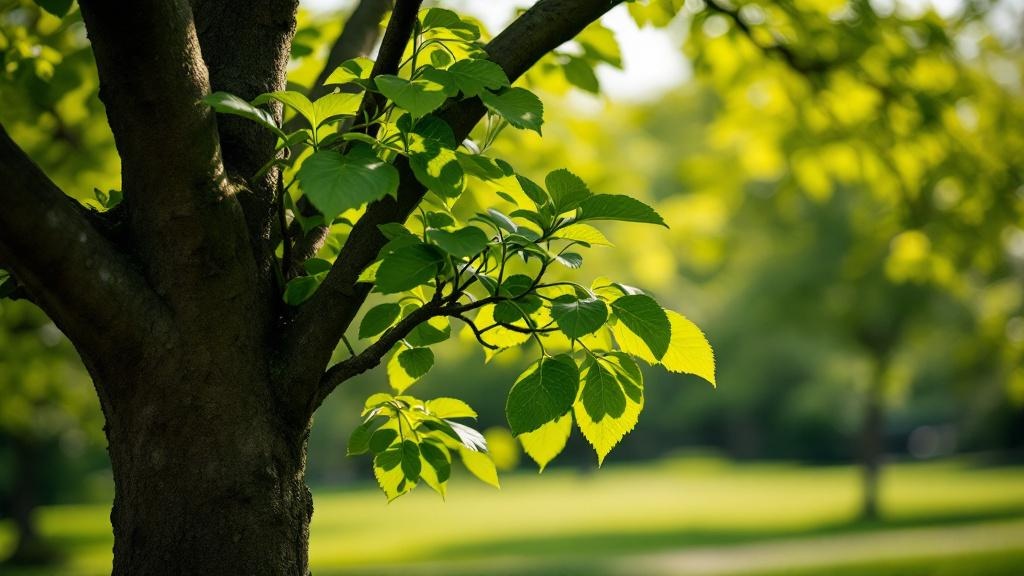
The Small-leaved Lime, or Tilia cordata, is one of Europe's most beloved native trees, filling summer gardens with intoxicating honey-scented blossoms in June and July. Home gardeners most often ask how much space this tree needs and whether it can be grown in smaller gardens. While traditionally a large parkland tree reaching 20-25 meters, it responds well to pruning and can be pleached or pollarded to fit medium-sized spaces, making it surprisingly versatile for patient gardeners.
Watering Your Small-leaved Lime Tree
Water newly planted trees deeply once weekly during their first two growing seasons, especially during dry spells from May through August. Established trees rarely need supplemental watering except during prolonged drought. Apply 20-30 liters per watering session, allowing water to soak deeply into the root zone. Mulching with bark chips helps retain soil moisture and reduces watering frequency.
Light Requirements for Healthy Growth
Small-leaved Lime thrives in full sun but tolerates partial shade remarkably well, making it suitable for gardens with mixed light conditions. In full sun, expect denser flowering and more compact growth. Trees grown in shadier positions will stretch toward light and produce fewer flowers. Avoid planting in deep shade or against north-facing walls where growth will be sparse.
Soil and Planting Guidelines
Plant between November and March while dormant, avoiding waterlogged or frozen ground. Small-leaved Lime prefers deep, fertile, moist but well-drained soil with a pH between 6.0 and 7.5. It tolerates clay soils better than many trees but struggles in shallow, chalky, or compacted ground. Dig a planting hole twice the width of the root ball and stake young trees for the first two years.
Temperature and Climate Tolerance
This hardy native tree withstands temperatures down to minus 30 degrees Celsius, making it ideal throughout USDA zones 3-7 and across Central Europe and the UK. It handles urban pollution and moderate drought once established. Late spring frosts rarely damage mature trees, though newly emerging leaves on young specimens may show temporary browning after severe May frosts.
Fertilizing Your Lime Tree
Young trees benefit from a balanced slow-release fertilizer applied in early April as growth begins. Scatter granular feed around the drip line, not against the trunk, and water in well. Mature established trees rarely need feeding if growing in reasonable soil. Avoid high-nitrogen fertilizers after midsummer, as this encourages soft growth vulnerable to winter damage.
Common Problems and Solutions
Aphids, particularly lime aphids, are the most common pest, causing sticky honeydew to drip from leaves in summer, this can be managed with a strong water spray or encouraging natural predators like ladybirds. Red spider mite occasionally affects stressed trees during hot, dry summers, so maintain adequate watering during drought. Phytophthora root rot can occur in poorly drained soils, so ensure good drainage at planting time.
Frequently asked questions
How big does a Small-leaved Lime tree grow?
A mature Small-leaved Lime typically reaches 20-25 meters tall with a spread of 10-15 meters when grown unpruned. However, regular pollarding or pleaching can maintain it at 4-6 meters, making it suitable for smaller gardens. Allow at least 8 meters from buildings for unpruned specimens.
When does Small-leaved Lime bloom?
Small-leaved Lime blooms in late June to early July, producing clusters of fragrant pale yellow flowers that attract bees intensively for about two weeks. The honey-scented blossoms are a major nectar source and can be harvested for linden flower tea. Flowering begins when trees reach approximately 15-20 years of age.
Why are my Lime tree leaves sticky?
Sticky leaves are caused by honeydew, a sugary secretion produced by lime aphids feeding on the undersides of leaves. This is extremely common in summer and not harmful to the tree, though it can drip onto cars and paving below. Encourage ladybirds and lacewings, or spray foliage with water to dislodge aphids.
Is Small-leaved Lime toxic to cats and dogs?
No, Small-leaved Lime is not toxic to cats, dogs, or other pets. The flowers are actually edible and traditionally used to make calming herbal tea for humans. Fallen seeds and leaves pose no poisoning risk, making this a safe choice for gardens where pets roam freely.
How do I prune a Small-leaved Lime tree?
Prune Small-leaved Lime during dormancy between November and February to avoid sap bleeding. Remove dead, damaged, or crossing branches first, then shape as desired. For pollarding, cut back to the main framework branches every 2-3 years. Avoid heavy pruning in spring when sap is rising, as wounds heal poorly and attract pests.
🩺 Common diseases and pests
These problems commonly affect this plant. Click any to see full symptom descriptions, organic and chemical treatment, and prevention.