Okra
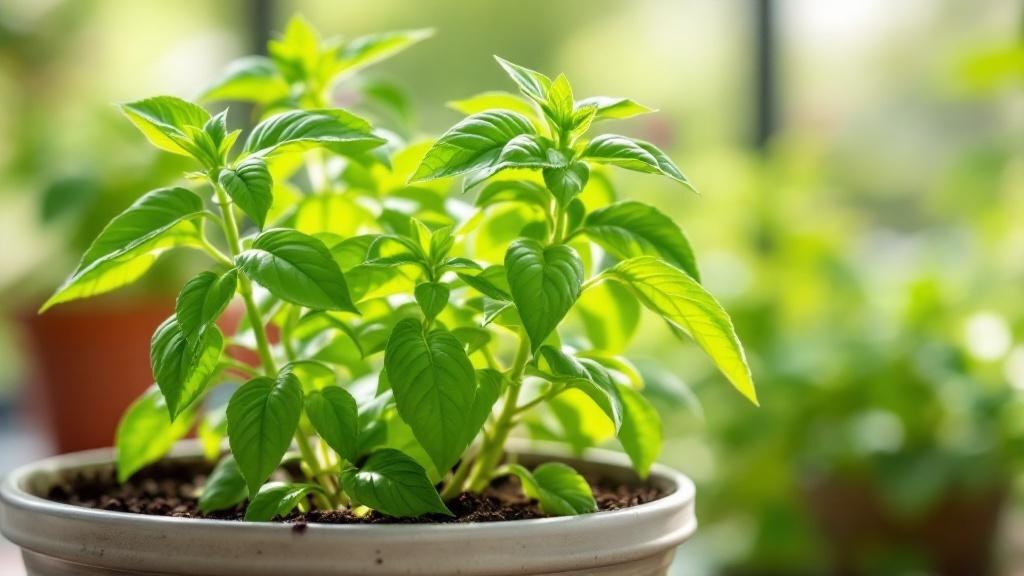
Okra thrives in warm conditions, making it a rewarding challenge for temperate-climate gardeners who provide it with the heat it craves. The most common question growers ask is how to get okra to produce abundantly in cooler summers. Success comes down to timing your planting after the last frost, choosing a sheltered sunny spot, and understanding that this African native needs consistent warmth to flower and fruit. With the right approach, you can harvest tender pods from July through September.

Watering Your Okra Plants Correctly
Water okra deeply every 5-7 days, allowing soil to dry slightly between waterings. During hot spells in July and August, increase frequency to every 3-4 days. Avoid wetting the foliage to prevent fungal issues. Mulch around plants with straw to retain moisture and keep roots cool during temperature fluctuations.
Light Requirements for Productive Okra
Okra demands full sun with a minimum of 6-8 hours of direct sunlight daily. In temperate climates, choose your sunniest, most sheltered spot, ideally against a south-facing wall that radiates warmth. Insufficient light leads to leggy plants with few pods. Consider using black plastic mulch to warm the soil in cooler regions.
Soil Preparation and Transplanting
Plant okra in rich, well-draining soil with a pH of 6.0-6.8. Amend heavy clay soils with compost and sharp sand before planting. In temperate zones, start seeds indoors in late April, transplanting outdoors in late May or early June when soil temperatures reach at least 18°C. Space plants 45-60cm apart to allow for their bushy growth.
Temperature and Humidity Needs
Okra requires consistent warmth and stops growing below 15°C. Wait until all frost risk has passed before transplanting, typically late May in zones 5-8. Use fleece or cloches during cool early-summer nights. Humidity is generally sufficient in temperate summers, but good air circulation prevents powdery mildew in damp conditions.
Fertilizing for Maximum Pod Production
Feed okra with a balanced fertilizer at transplanting, then switch to a high-potassium feed once flowering begins in July. Apply liquid tomato fertilizer every two weeks during the fruiting period. Avoid excessive nitrogen, which promotes leafy growth at the expense of pods. Side-dress with compost mid-season for sustained nutrition.
Common Okra Problems and Solutions
Aphids cluster on new growth in June and July; blast them off with water or apply insecticidal soap. Powdery mildew appears in humid conditions, showing as white patches on leaves; improve airflow and apply sulphur-based fungicide if severe. Red spider mites attack during hot, dry spells; mist plants and introduce predatory mites. Blossom drop occurs when night temperatures fall below 15°C.
Frequently asked questions
How often should I water okra plants?
Water okra deeply every 5-7 days in normal conditions, increasing to every 3-4 days during summer heat waves. The soil should dry slightly between waterings but never become completely parched. Consistent moisture during flowering and fruiting prevents tough, woody pods.
Why are my okra leaves turning yellow?
Yellow okra leaves typically indicate overwatering, nitrogen deficiency, or cold stress. Check that soil drains well and reduce watering if soggy. Apply a balanced fertilizer if plants look pale overall. In temperate climates, cold nights in early summer often cause temporary yellowing until temperatures stabilize.
When can I harvest okra pods?
Harvest okra pods when they reach 5-8cm long, typically 4-6 days after flowering. In temperate climates, expect your first harvest in late July, continuing through September. Pick every 2-3 days as pods become fibrous and tough if left too long. Use scissors to cut stems, as pulling can damage plants.
Is okra toxic to cats and dogs?
Okra is completely non-toxic to cats and dogs. All parts of the plant are safe if your pets nibble on leaves or pods. However, the small spines on pods and stems can cause mild skin irritation in sensitive animals and humans, so handle with gloves if you react to the plant.
Can okra grow in cool climates?
Okra can grow in cool temperate climates with careful management. Start seeds indoors in late April, use black plastic mulch to warm soil, plant in your sunniest sheltered spot, and protect young plants with fleece on cool nights. Choose quick-maturing varieties like Clemson Spineless that produce within 55-60 days.