European Holly
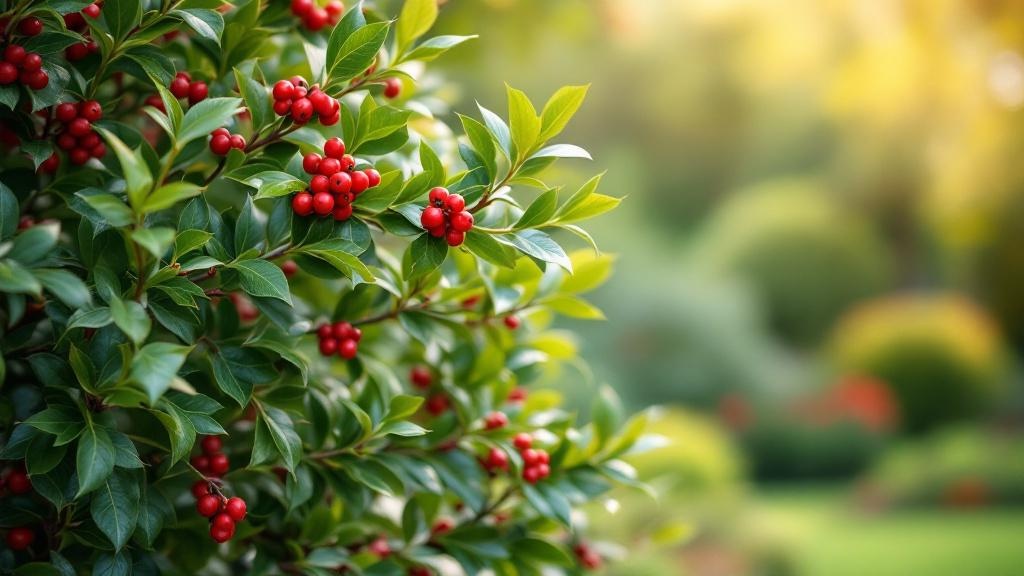
European Holly has graced gardens and winter celebrations for centuries, offering year-round structure with its distinctive spiny evergreen foliage and cheerful red berries that appear from November through February. The most common question gardeners ask is whether their holly will produce berries — the answer lies in understanding that you typically need both male and female plants for pollination. This resilient native shrub rewards patience with decades of beauty once established in the right spot.
Watering Your European Holly
Water newly planted hollies deeply once per week during their first two growing seasons, especially during dry spells from May through September. Established hollies are remarkably drought-tolerant but appreciate supplemental water during prolonged dry periods in summer. In winter, reduce watering significantly as the plant enters dormancy, but ensure the soil does not dry out completely during mild spells. Container-grown hollies need more frequent attention, checking soil moisture every 5-7 days year-round.
Light Requirements for Healthy Growth
European Holly performs best in partial shade to full sun, making it versatile for various garden positions. In northern temperate regions, a spot receiving 4-6 hours of direct sunlight encourages better berry production while protecting foliage from scorching. Variegated cultivars like Argentea Marginata benefit from brighter positions to maintain their leaf coloration. Avoid deep shade, which leads to sparse growth and poor fruiting.
Soil and Repotting Essentials
Plant European Holly in moist, well-drained soil with a slightly acidic to neutral pH between 5.0 and 7.0. Incorporate organic matter such as garden compost or well-rotted leaf mould when planting, particularly in heavy clay soils common across Central Europe and the UK. The best planting time is late September through November or March through April when soil is workable. Container specimens benefit from repotting every 3-4 years in spring using ericaceous or general-purpose compost.
Temperature and Humidity Needs
European Holly is exceptionally cold-hardy, tolerating temperatures down to minus 20 degrees Celsius once established, making it ideal throughout USDA zones 5-8. Young plants benefit from wind protection during their first winter, particularly in exposed northern gardens. Holly tolerates average humidity levels well and rarely suffers from humidity-related issues in temperate climates. Late spring frosts in April or May can damage new growth, but plants typically recover quickly.
Fertilizing for Vigorous Growth
Apply a balanced slow-release fertilizer in late March or early April as new growth begins. A single annual feed with a general-purpose granular fertilizer worked into the soil around the root zone is sufficient for garden-planted hollies. Container plants benefit from a liquid feed every 3-4 weeks during the growing season from April through August. Avoid high-nitrogen fertilizers in late summer, as soft new growth is vulnerable to early autumn frosts.
Common Problems and Solutions
Holly leaf miner is the most prevalent pest in temperate regions, creating distinctive pale tunnels in leaves visible from May onwards — remove and destroy affected leaves and apply nematode treatments in late April. Scale insects appear as brown bumps on stems and undersides of leaves, treatable with horticultural oil sprays in early spring before growth resumes. Purple blotch fungus causes dark spots during wet winters, managed by improving air circulation through light pruning in late February and removing fallen debris.
Frequently asked questions
Why is my European Holly not producing berries?
Your holly is likely either male, too young, or lacking a pollination partner. European Holly is dioecious, meaning individual plants are either male or female, and you need both within 15-20 metres for bees to transfer pollen. Plants typically begin fruiting at 4-5 years of age, so younger specimens require patience.
When should I prune European Holly?
Prune European Holly in late February to early March before new spring growth begins. This timing allows you to shape the plant while avoiding disturbance to nesting birds and ensures wounds heal quickly as growth resumes. Light trimming can also be done in late summer around August if needed to maintain form.
Is European Holly toxic to cats and dogs?
Yes, European Holly is toxic to both cats and dogs. The berries contain saponins that cause vomiting, diarrhea, and abdominal pain if ingested. While the spiny leaves deter most animals from eating them, fallen berries pose a risk to curious pets during winter months.
How fast does European Holly grow?
European Holly grows slowly at 15-25 centimetres per year under good conditions. This measured growth rate means plants take 10-15 years to reach a substantial 2-3 metre height, but the slow pace produces dense, attractive specimens requiring minimal pruning. Growth is fastest in partial shade with consistent moisture.
Can European Holly grow in pots?
Yes, European Holly grows well in containers when given proper care. Choose a pot at least 45 centimetres in diameter with drainage holes, use quality multipurpose compost, and water regularly as containers dry faster than garden soil. Repot every 3-4 years in spring and protect roots from hard freezes by wrapping pots or moving to a sheltered position.