Lingonberry
Lingonberry brings a taste of Scandinavian wilderness to your garden, producing jewel-like red berries perfect for jams, sauces, and fresh eating. Native to boreal forests, this compact evergreen groundcover is surprisingly easy to grow in temperate climates. The most common question gardeners ask is how to achieve the acidic soil conditions lingonberries need to thrive. Once established, these resilient plants reward you with two harvests per year and attractive year-round foliage.
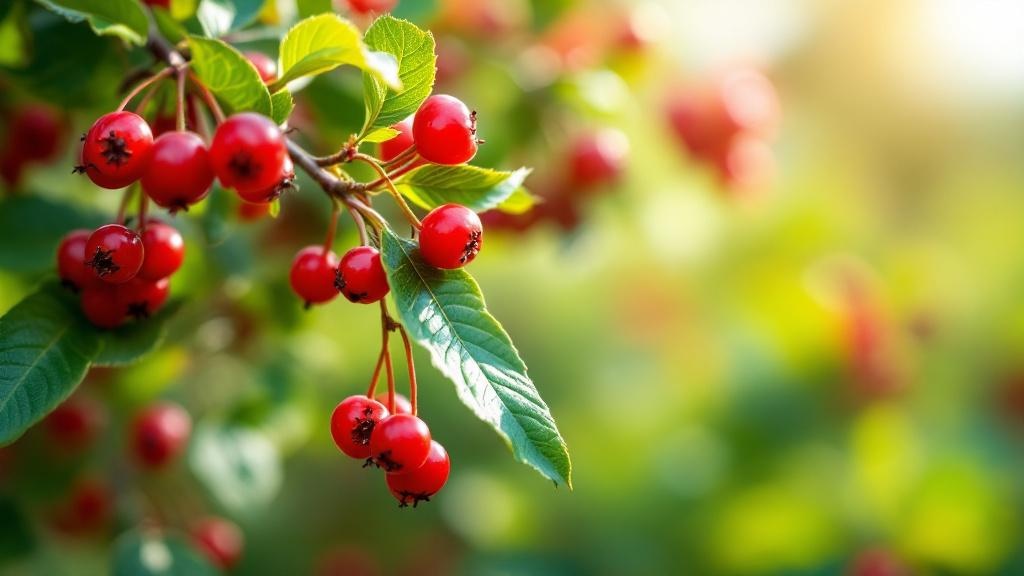
Watering Your Lingonberry for Optimal Berry Production
Lingonberries need consistent moisture but despise soggy roots. Water deeply every 5-7 days during the growing season, increasing to every 3-4 days during hot, dry spells in July and August. Reduce watering in autumn as plants prepare for dormancy, but never let the shallow root system dry out completely. Mulch with pine needles or wood chips to retain moisture and maintain soil acidity.
Light Requirements: Finding the Sweet Spot
In temperate climates, lingonberries perform best in partial shade with 4-6 hours of morning sun. Full sun is tolerable in cooler northern regions, but afternoon shade prevents leaf scorch during heat waves. Avoid deep shade, which reduces flowering and berry production. In the UK and Northern Europe, a bright east-facing position or dappled woodland edge is ideal.
Soil and Repotting: Creating Acidic Growing Conditions
Acidic soil with pH 4.5-5.5 is non-negotiable for lingonberries. Amend garden soil with peat-free ericaceous compost and sulfur chips if your soil is neutral or alkaline. For containers, use rhododendron or blueberry potting mix. Repot container plants every 2-3 years in early March before new growth begins. Lingonberries spread via underground runners, so allow space for natural expansion or contain with root barriers.
Temperature and Humidity for This Arctic Native
Lingonberries are remarkably cold-hardy, surviving temperatures down to minus 40 degrees Celsius without protection. They actually require a winter chill period of 800-1000 hours below 7C to set fruit properly. Summer heat above 30C can stress plants, so provide afternoon shade and extra water during heatwaves. Average humidity suits them well, though they appreciate morning mist in dry continental climates.
Fertilizing Schedule for Healthy Growth
Feed sparingly with an ericaceous fertilizer formulated for acid-loving plants in April as growth resumes. Apply a second light feeding after the first harvest in late July. Avoid high-nitrogen fertilizers, which promote leafy growth at the expense of berries. Over-fertilizing causes root burn in these woodland plants accustomed to nutrient-poor soils. Sulfur-coated ammonium sulfate helps maintain acidity while feeding.
Common Lingonberry Problems and Solutions
Phytophthora root rot occurs in waterlogged soil; prevent by ensuring excellent drainage and avoiding heavy clay. Powdery mildew may appear in humid late summers, particularly in crowded plantings with poor air circulation. Spotted wing drosophila, an invasive fruit fly now established across Europe and North America, can damage ripening berries in August and September; use fine mesh netting when fruits begin coloring. Yellowing leaves typically indicate soil pH is too high; test soil and acidify with sulfur if above 5.5.
Frequently asked questions
How often should I water lingonberry plants?
Water lingonberries every 5-7 days during the growing season, keeping soil consistently moist but not waterlogged. Increase frequency during summer heat and reduce in autumn. These shallow-rooted plants are sensitive to both drought and standing water.
Why are my lingonberry leaves turning yellow?
Yellow leaves usually indicate your soil pH is too high for this acid-loving plant. Test your soil immediately; lingonberries need pH 4.5-5.5 to absorb nutrients properly. Apply garden sulfur or aluminum sulfate to lower pH, and mulch with acidic materials like pine needles.
When do lingonberries produce fruit?
Lingonberries produce two crops per year in temperate climates. The first harvest ripens in late July to early August from spring flowers, and a second, often larger crop matures in September to October. Berries are ready when fully red and slightly soft.
Can lingonberries grow in pots and containers?
Yes, lingonberries grow excellently in containers at least 30cm wide and deep. Use ericaceous compost, ensure drainage holes, and water more frequently than in-ground plants. Container growing actually makes pH management easier, as you control the entire soil environment.
Are lingonberries toxic to cats and dogs?
No, lingonberries are completely non-toxic to cats, dogs, and other pets. Both the berries and foliage are safe if ingested. This makes lingonberry an excellent choice for pet-friendly edible gardens, unlike many other fruiting plants.