Common Heather
Common Heather brings a sweep of late-season color to gardens when most plants are winding down. Native to European moorlands, this tough evergreen thrives in the cooler temperatures of USDA zones 5-8, making it ideal for Central European, UK, and Northern US gardens. The most common question gardeners ask is how to keep heather alive through winter and prevent it from turning brown — and the answer lies in proper soil acidity, smart watering, and timely spring pruning.
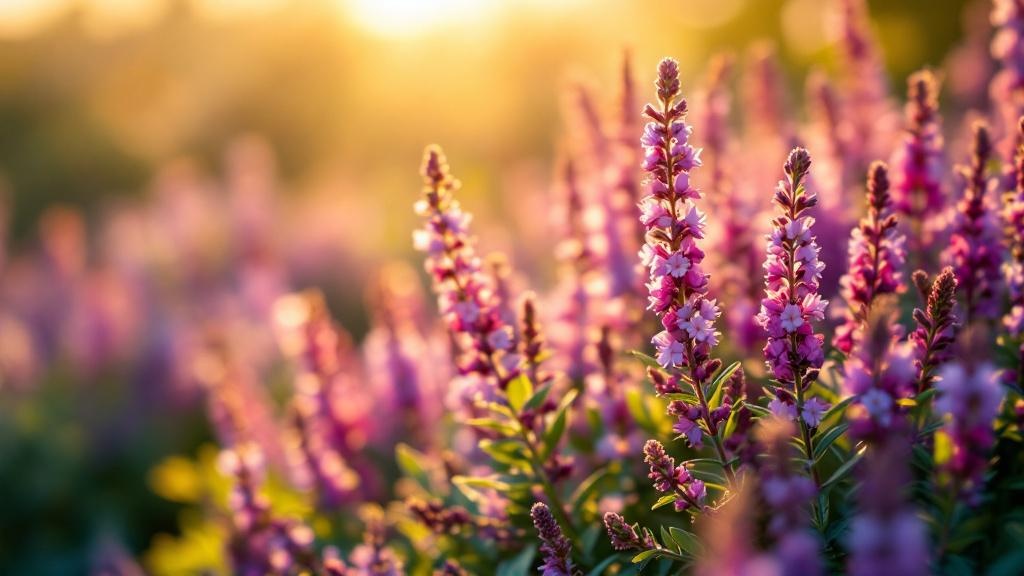
Watering Your Common Heather Correctly
Water heather every 7-10 days during the growing season, allowing the top inch of soil to dry between waterings. In hot, dry spells from June through August, increase frequency to twice weekly. Reduce watering significantly from November through February, as waterlogged roots in cold soil cause fatal root rot. Always use rainwater or distilled water if your tap water is alkaline.
Light Requirements for Healthy Heather
Common Heather performs best in full sun, requiring at least 6 hours of direct sunlight daily for abundant flowering. In warmer parts of zone 8, light afternoon shade prevents scorching during July and August heat waves. Avoid deep shade, which causes leggy growth and sparse blooms. South or west-facing positions in the garden are ideal.
Soil and Repotting Essentials
Heather demands acidic soil with a pH between 4.5 and 5.5. Mix ericaceous compost with coarse sand or perlite at a 3:1 ratio for containers. Repot container heather every 2-3 years in early April, moving up one pot size. In garden beds, amend alkaline soil with sulfur chips in autumn and mulch annually with pine bark to maintain acidity.
Temperature and Humidity Preferences
Common Heather is remarkably cold-hardy, tolerating temperatures down to minus 20 Celsius once established. However, newly planted heather needs protection during its first winter — apply a 5cm layer of straw mulch in late October. Heather prefers moderate humidity and good air circulation; avoid planting in stuffy, sheltered corners where fungal diseases flourish.
Fertilizing Common Heather
Feed heather sparingly with an ericaceous fertilizer in late March as new growth begins, and again in early June. Avoid high-nitrogen feeds, which promote foliage at the expense of flowers. Never use general-purpose fertilizers or mushroom compost, as these raise soil pH. Over-fertilizing causes weak, floppy growth prone to winter damage.
Common Problems and Solutions
Heather beetle larvae can devastate plants from May through July, causing brown patches — pick off visible beetles and treat with neem oil. Phytophthora root rot occurs in poorly drained soil, turning foliage grey-brown; prevention through proper drainage is the only solution, as infected plants must be removed. Spider mites attack during hot, dry summers, causing stippled leaves — increase humidity and spray with insecticidal soap.
Frequently asked questions
How often should I water Common Heather?
Water Common Heather every 7-10 days during the growing season, allowing soil to partially dry between waterings. In summer heat, increase to twice weekly. Reduce significantly in winter to prevent root rot in cold, wet soil.
Why is my heather turning brown?
Brown heather is usually caused by root rot from overwatering, alkaline soil, or drought stress. Check your soil pH — it must be acidic between 4.5 and 5.5. If roots are black and mushy, root rot has set in and the plant likely cannot be saved.
When does Common Heather bloom?
Common Heather blooms from late August through October in temperate climates, providing valuable late-season color. Some cultivars flower as early as July, while winter-flowering varieties extend the season into November. Deadheading is not necessary.
Should I cut back heather in spring?
Yes, prune heather lightly in late March or early April, just as new growth appears. Trim off the previous year's flower stems without cutting into old wood. This prevents the plant from becoming leggy and woody, maintaining a compact, floriferous shape.
Is Common Heather toxic to cats?
No, Common Heather is non-toxic to cats, dogs, and other household pets. It is safe to plant in gardens where pets roam freely. However, ingesting large quantities of any plant material may cause mild stomach upset in sensitive animals.