Lola Echeveria
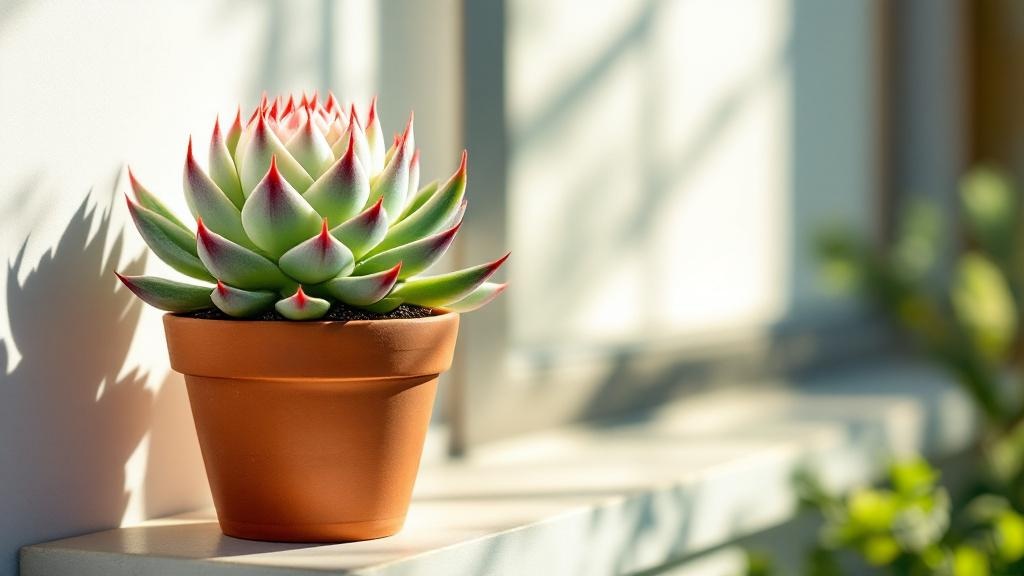
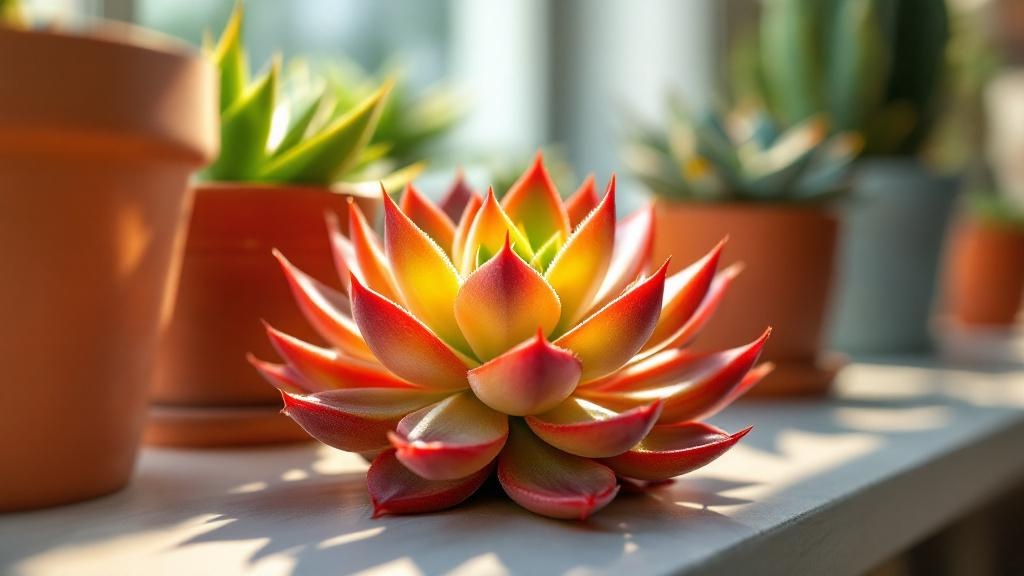
Echeveria 'Lola' is one of the most sought-after succulents for its delicate, opalescent coloring that shifts between lavender, pink, and pale blue depending on light conditions. The most common question growers ask is how to prevent this beauty from stretching or losing its compact shape during darker winter months. Native to Mexico, Lola thrives with minimal fuss but does require specific care adjustments when grown in temperate regions where indoor overwintering is essential.
Watering Your Lola Echeveria Correctly
Water thoroughly every 10-14 days during the active growing season from April through September, allowing the soil to dry completely between waterings. In winter, reduce to once every 3-4 weeks as the plant enters dormancy. Always water the soil directly, avoiding the rosette center where trapped moisture causes rot. If leaves feel slightly soft or wrinkled, the plant is ready for a drink.
Light Requirements for Vibrant Color
Lola needs at least 4-6 hours of bright light daily to maintain its compact rosette and signature coloring. In temperate climates, place on a south or west-facing windowsill from October through March. During summer, outdoor placement works well but introduce gradually to prevent sunburn. Insufficient light causes etiolation, where the rosette stretches upward and loses its tight form.
Soil and Repotting for Healthy Roots
Use a fast-draining mix of 50% standard potting soil and 50% perlite, pumice, or coarse sand. Commercial cactus mixes work but benefit from extra grit. Repot every 2-3 years in early spring, moving up only one pot size. Terracotta pots are ideal as they wick away excess moisture and prevent root rot common in plastic containers.
Temperature and Humidity Needs
Lola tolerates 10-25°C comfortably but must come indoors before first frost, typically by late September in most temperate regions. Avoid placing near cold drafts or radiators during winter. This succulent prefers low humidity around 30-50%, making average home conditions ideal. High humidity combined with poor airflow invites fungal problems.
Fertilizing for Steady Growth
Feed monthly from April through August using a balanced liquid fertilizer diluted to half strength. Succulent-specific fertilizers with lower nitrogen work best to prevent soft, leggy growth. Stop fertilizing entirely from September through March when the plant rests. Over-fertilizing causes weak growth and diminishes the characteristic powdery coating on leaves.
Common Problems and Solutions
Mealybugs appear as white cottony masses in leaf crevices and are the most frequent pest; treat with rubbing alcohol on a cotton swab or neem oil spray. Root rot from overwatering shows as mushy, translucent lower leaves; remove affected parts and repot in dry soil. Etiolation or stretching indicates insufficient light; move to a brighter location and consider a grow light for winter months.
Frequently asked questions
How often should I water Echeveria Lola?
Water every 10-14 days in summer and once monthly in winter, always letting soil dry completely first. The soak-and-dry method works best: water thoroughly until it drains from the bottom, then wait until the soil is bone dry before watering again. Wrinkled leaves signal the plant needs water.
Why is my Echeveria Lola stretching?
Stretching or etiolation happens when your Lola does not receive enough light. The plant reaches upward searching for a light source, causing gaps between leaves and a tall, leggy appearance. Move it to a brighter spot or supplement with a grow light, especially during the darker months from November through February.
Is Echeveria Lola toxic to cats?
No, Echeveria Lola is non-toxic to cats and dogs. This makes it a safe choice for pet-friendly households. However, ingestion may still cause mild stomach upset, so keeping plants out of reach is still advisable.
When does Echeveria Lola flower?
Lola produces coral-pink bell-shaped flowers on arching stalks typically in late spring to early summer, around May or June. The flowering stalk emerges from the side of the rosette and can reach 15-20 cm. After flowering, you can remove the stalk at its base to redirect energy to the main plant.
Can Echeveria Lola survive winter outdoors in the UK?
No, Echeveria Lola cannot survive winter outdoors in the UK or similar temperate climates. Temperatures below 5°C damage the plant, and frost is fatal. Bring your Lola indoors by late September and place it in the brightest spot available until risk of frost passes in late May.