Grass-leafed Hoya
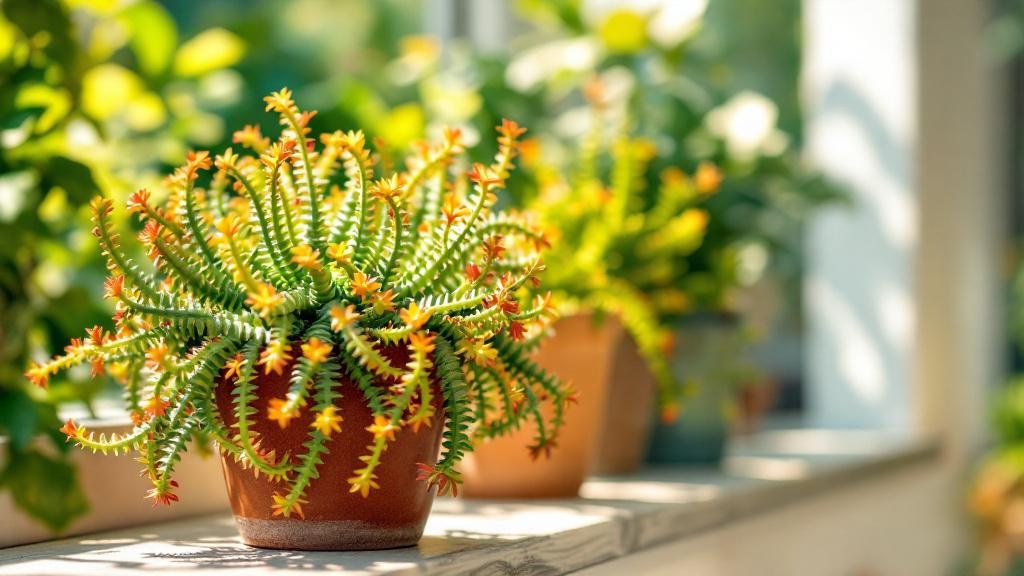
Hoya retusa is a fascinating departure from typical potted plants, offering delicate grass-like leaves and wonderfully scented waxy flowers that bloom in clusters. Unlike its broader-leafed cousins, this succulent hoya thrives in bright, warm conditions and requires minimal watering. If you're wondering how to keep this elegant vine thriving indoors in temperate zones, our guide covers everything from light placement to encouraging those prized fragrant blooms.
Watering Your Hoya Retusa
Hoya retusa is a succulent and prefers to dry out between waterings. In the growing season (April to September), water every 10–14 days when the top 2 cm of soil feels dry. Reduce watering significantly in winter, typically to once every 4 weeks or less, as growth slows dramatically. Overwatering is the main killer of this plant—always err on the side of underwatering, as the leaves store moisture. Use room-temperature water and ensure any excess drains away completely to prevent root rot.
Light Requirements for Healthy Growth
Hoya retusa needs bright indirect light to produce its fragrant flowers reliably. Place it near an east or west-facing window where it receives several hours of bright light daily. It can tolerate some direct morning sun in temperate climates without leaf scorch, especially in cooler months. If light is insufficient, the plant grows leggy and rarely blooms; if you notice sparse growth or no flowers after winter, move it closer to a window. Rotate the plant every 2–3 weeks to encourage even growth on all sides.
Soil and Repotting Advice
Use a well-draining cactus or succulent potting mix—standard houseplant compost retains too much moisture for this plant. You can amend regular potting soil with perlite or coarse sand to improve drainage. Repot only when the plant has clearly outgrown its container, typically every 2–3 years in spring. Choose a pot with drainage holes and only go up one size larger; a pot that's too large encourages waterlogging. When repotting, gently tease out the roots and add fresh mix around the rootball.
Temperature and Humidity Management
Hoya retusa prefers temperatures between 16–26°C and dislikes sudden cold drafts or temperatures below 10°C. In temperate climates, keep it away from windows during harsh winters and protect from heating vents that dry the air excessively. This plant is tolerant of average household humidity and does not need misting or humidifiers; in fact, excess moisture on the leaves can encourage fungal issues. Maintain consistent warmth during the growing season to encourage flowering, and allow a slightly cooler winter rest (around 15°C) to promote blooming in spring.
Feeding and Fertilizing
Feed Hoya retusa with a diluted, balanced fertilizer or a cactus/succulent formula every 4–6 weeks during the growing season (April to September). Reduce feeding in autumn and withhold entirely through winter when growth stops. Over-feeding encourages soft, leggy growth at the expense of flowers. Always follow the product instructions carefully and never apply fertilizer to dry soil; water first, then feed to avoid root burn. A light hand with nutrients is better than heavy feeding for this slow-growing succulent.
Common Problems and Solutions
Yellow or translucent leaves indicate overwatering—scale back frequency and check that soil drains well. Mealybugs and spider mites occasionally attack in warm, dry indoor conditions; spray affected areas with neem oil or insecticidal soap every 7–10 days until clear, and increase humidity slightly. No flowers despite bright light may signal insufficient winter rest or young age; established plants older than 2–3 years bloom more reliably, and cool winter dormancy (below 18°C for 4–6 weeks) triggers flowering in spring.
Frequently asked questions
How often should I water Hoya retusa?
Water every 10–14 days in summer once the top 2 cm of soil is dry, then reduce to once monthly in winter. As a succulent, it stores moisture in its leaves and is more likely to rot from overwatering than underwatering.
Why isn't my Hoya retusa flowering?
Insufficient light is the most common cause—ensure it receives bright indirect light or some direct morning sun daily. Young plants under 2–3 years old rarely flower; established plants flower more reliably if given a cool winter dormancy (around 15°C for 4–6 weeks) to trigger blooming.
What light does Hoya retusa need?
Bright indirect light is ideal, with some direct morning sun tolerated in temperate climates. Place it near an east or west-facing window; without sufficient brightness, growth becomes sparse and flowers won't appear.
Is Hoya retusa safe for cats and dogs?
Yes, Hoya retusa is non-toxic to cats, dogs, and other pets, making it a safe choice for households with animals. You can display it freely without worry, though the trailing stems may tempt cats to bat at them.
Can I propagate Hoya retusa from cuttings?
Yes, take 7–10 cm stem cuttings in spring or summer, allow them to air-dry for a few hours, then place in moist succulent soil or sphagnum moss. Root development can take 3–6 weeks; keep soil barely moist and provide bright indirect light until roots establish, then care for as a mature plant.