Mammillaria
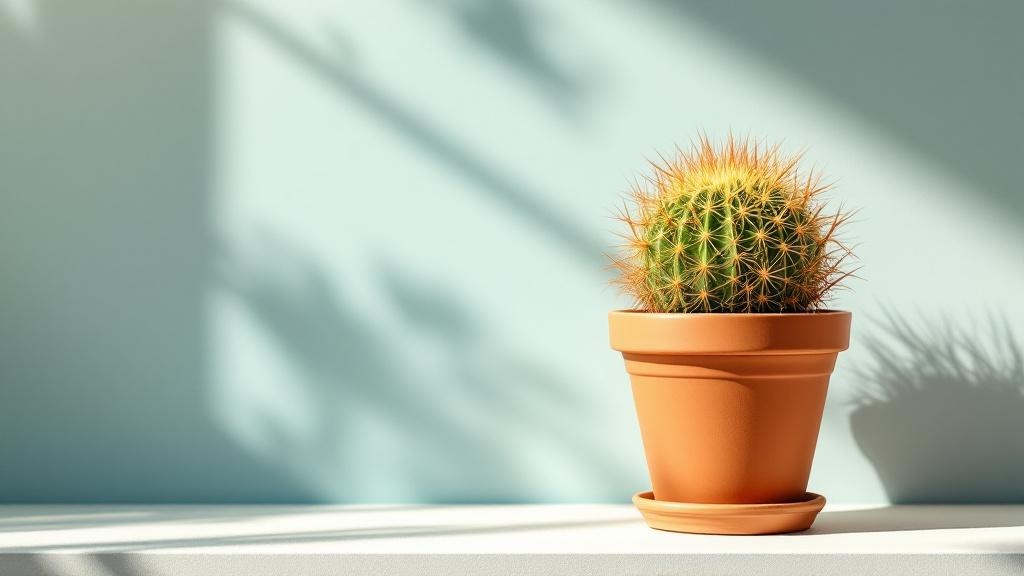
Mammillaria cacti have earned their reputation as beginner-friendly succulents thanks to their compact size and resilience. These cute clusters rarely need fussing, but understanding their light and watering needs ensures vibrant blooms and healthy growth. Whether you're growing them indoors on a sunny sill or in a temperate garden, Mammillaria rewards minimal effort with maximum charm.
Watering Your Mammillaria
Water deeply every 10-14 days during the growing season (April to September), but allow soil to dry completely between waterings. In winter, reduce watering to once a month or less, as the plant enters dormancy and needs minimal moisture. Overwatering is the leading cause of root rot in Mammillaria—if in doubt, wait another week. Use room-temperature water and avoid wetting the body of the cactus; water the soil only.
Light Requirements for Healthy Growth
Mammillaria thrives in bright, direct sunlight for at least 6 hours daily. An unobstructed south or west-facing windowsill is ideal in temperate climates. In summer, if your plant sits behind glass in very intense heat (above 30°C), a light sheer curtain during the hottest afternoons can prevent sunburn, though most Mammillaria tolerate sun exposure well. Insufficient light causes the plant to elongate and weakens flowering.
Soil and Repotting Needs
Use a well-draining cactus potting mix, or amend standard potting soil with 30-40% coarse sand or perlite to improve drainage. Repot every 2-3 years in spring (March or April) into a container only slightly larger than the root ball. Ensure the pot has drainage holes. Mammillaria grows slowly, so repotting is infrequent; use the opportunity to inspect roots and refresh depleted soil.
Temperature and Humidity Management
Mammillaria prefers temperatures between 15-25°C and actually benefits from a cool winter rest (10-15°C) to trigger flowering. In temperate zones (USDA 5-8), many species survive light frosts outdoors if protected from excessive moisture. Keep humidity low; these are desert cacti and dislike dampness around their bodies. Good air circulation prevents fungal issues, so avoid grouping too densely in humid rooms.
Fertilizing for Blooms
Feed Mammillaria every 4 weeks during the growing season (May through August) with a diluted, low-nitrogen cactus fertilizer. Alternatively, use a balanced 5-10-10 formulation at half strength. Stop feeding in autumn and winter while the plant rests. Over-fertilizing causes excessive soft growth and reduces flowering. A light feeding schedule keeps blooms vibrant and the plant compact.
Common Problems and Solutions
Root rot from overwatering is the most common issue; prevent it by using well-draining soil and allowing complete drying between waters. Scale insects and spider mites occasionally infest Mammillaria in indoor environments—inspect regularly and spray affected areas with a 70% isopropyl alcohol solution or neem oil. Elongation and failure to flower indicate insufficient light; move the plant to a brighter location. Stunted growth in winter is normal and not a concern.
Frequently asked questions
How often should I water my Mammillaria cactus?
Water every 10-14 days during the growing season (spring and summer), allowing the soil to dry completely between waterings. In winter, reduce to once a month or less. The key is checking that soil is bone-dry before watering again.
Can Mammillaria survive outdoors in temperate climates?
Yes, many Mammillaria species are hardy down to -5°C or below if kept dry over winter. In USDA zones 5-8, plant them in rock gardens or raised beds with excellent drainage, and reduce watering after September. Protect from winter wet rather than cold.
Why isn't my Mammillaria flowering?
Lack of flowers is usually due to insufficient light—Mammillaria needs at least 6 hours of direct sun daily to bloom reliably. A cool winter rest (10-15°C) also triggers flowering; ensure the plant experiences natural dormancy. Once these conditions are met, blooms typically appear in spring and summer.
Is Mammillaria toxic to cats and dogs?
No, Mammillaria cacti are completely non-toxic to pets. The main hazard is the spines, which can prick paws or mouths, so position the plant out of reach if you have curious pets.
How do I propagate Mammillaria?
Mammillaria clusters naturally produce offsets (baby plants) around the base of the mother plant. Once offsets develop roots, carefully detach them and let them dry for 2-3 days, then plant in cactus soil. They'll root within a few weeks if kept barely moist.