Winter Savory
Winter savory is a compact, woody perennial that belongs in every herb garden. Unlike its annual cousin summer savory, this hardy plant survives harsh winters and returns year after year. The most common question gardeners ask is whether winter savory can survive frost — and the answer is a resounding yes, down to -29°C in established plants. Its peppery, slightly bitter leaves enhance beans, meats, and hearty winter stews, making it invaluable in the kitchen from late spring through autumn.
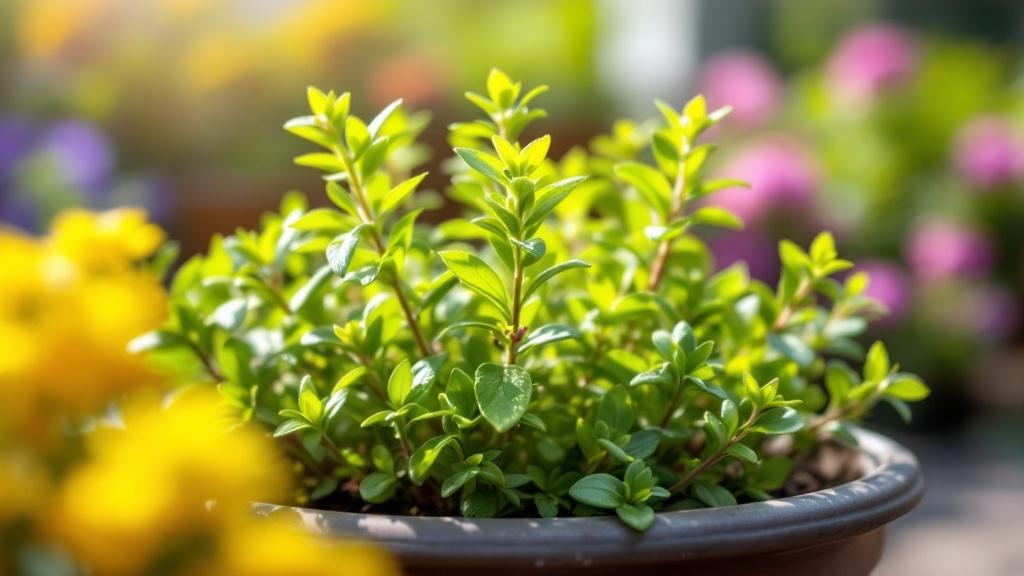
Watering Winter Savory: Less Is More
Winter savory evolved in rocky Mediterranean hillsides, so it genuinely prefers dry conditions. Water established plants every 10-14 days during summer, allowing soil to dry completely between waterings. Newly planted specimens need weekly water for the first month until roots establish. In autumn and winter, natural rainfall in temperate climates is typically sufficient — overwatering is the fastest way to kill this herb.
Light Requirements for Healthy Growth
Position winter savory in full sun with at least 6 hours of direct sunlight daily. In the UK and Northern Europe, a south-facing spot is ideal. The plant tolerates partial shade but becomes leggy and loses flavor intensity. Container plants can be moved to follow the sun throughout the growing season.
Soil and Repotting Needs
Plant winter savory in poor to moderately fertile, sharply draining soil with a pH of 6.5-7.5. Heavy clay must be amended with coarse sand or grit at a 1:1 ratio. Repot container plants every 2-3 years in spring using a mix of standard potting compost with 30% perlite or horticultural grit. This herb actually produces more aromatic oils in lean soil.
Temperature and Humidity Preferences
Winter savory is remarkably cold-hardy, surviving temperatures down to -29°C once established (USDA zones 5-8). Young plants benefit from a light mulch of gravel or straw during their first winter. The plant dislikes high humidity and wet winters — ensure good air circulation and avoid heavy organic mulches that retain moisture around the crown.
Fertilizing Your Winter Savory
This herb needs minimal feeding — excessive fertilizer produces lush but flavorless growth. Apply a light top-dressing of compost in early April or a half-strength balanced liquid feed once in late spring. Container plants benefit from one additional feed in midsummer. Never fertilize after August, as this encourages soft growth vulnerable to frost damage.
Common Problems and Solutions
Root rot from overwatering is the primary killer — ensure drainage and reduce watering immediately if leaves yellow and stems soften. Spider mites occasionally attack during hot, dry summers; spray with water and improve air circulation. Woody, bare stems in older plants (3-4 years) indicate the need for hard pruning in April or replacement with fresh plants.
Frequently asked questions
How often should I water winter savory?
Water winter savory every 10-14 days during the growing season, allowing soil to dry completely between waterings. This Mediterranean herb is highly drought-tolerant and suffers more from overwatering than underwatering. In winter, rainfall alone is usually sufficient in temperate climates.
Is winter savory toxic to cats and dogs?
No, winter savory is non-toxic and completely safe around cats and dogs. The plant poses no risk if pets nibble the leaves. It is actually sometimes used in small amounts as a culinary herb in homemade pet treats.
When should I harvest winter savory?
Harvest winter savory from late May through October, cutting stems in the morning after dew has dried for the best flavor. Regular harvesting encourages bushy growth. The leaves retain excellent flavor when dried, so harvest generously in September before the first frost for winter storage.
Why are my winter savory leaves turning yellow?
Yellow leaves on winter savory typically indicate overwatering or poor drainage causing root stress. Check that soil dries between waterings and improve drainage by adding grit. Less commonly, yellowing can signal nutrient deficiency in very poor soil — apply a light compost top-dressing in spring.
Can winter savory survive frost?
Yes, winter savory is extremely frost-hardy and survives temperatures down to -29°C once established. It is a true perennial that returns reliably each spring in USDA zones 5-8. Protect first-year plants with a light gravel mulch during their initial winter.