Baby Rubber Plant
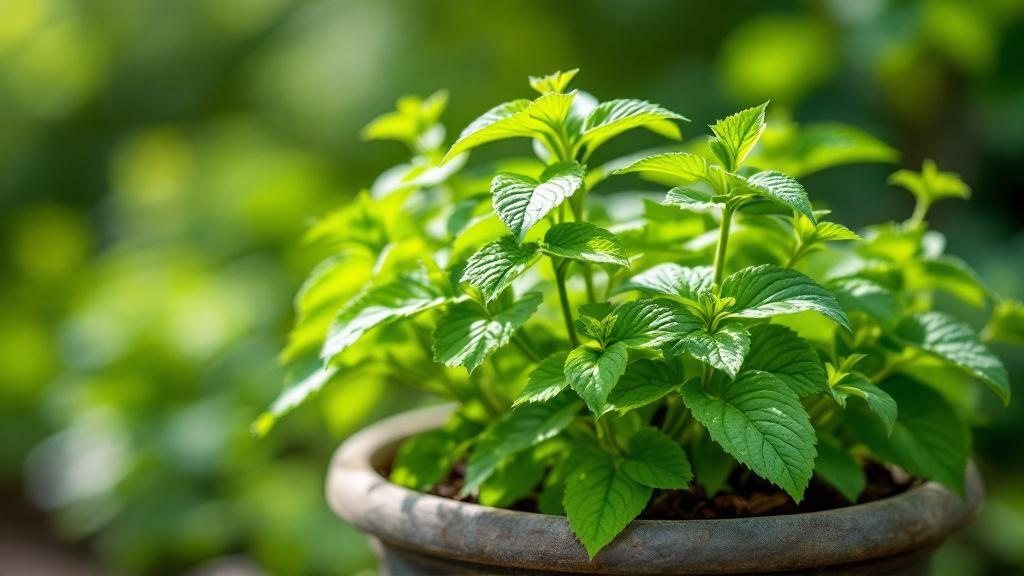
Baby rubber plants (Peperomia obtusifolia) are perfect for apartment dwellers and beginners because they stay small, tolerate lower light than many houseplants, and rarely demand attention. The most common question we hear: "Why are my peperomia's leaves dropping?" — usually it's overwatering or cold drafts. This guide covers everything you need to keep yours thriving year-round in temperate zones.
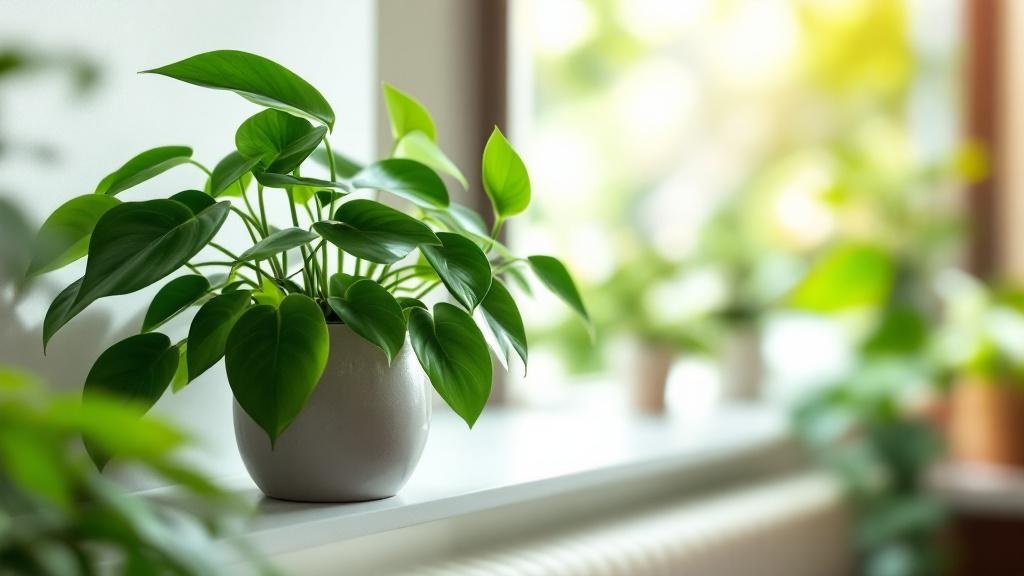
Watering Your Baby Rubber Plant
Water every 10-14 days during growing season (spring and summer), allowing the top 2-3 cm of soil to dry between waterings. In autumn and winter, reduce frequency to every 2-3 weeks as growth slows. The biggest mistake is watering on a schedule rather than checking soil moisture first — peperomias prefer slightly dry conditions and will rot quickly if sitting in wet soil. Always use room-temperature water and ensure pots have drainage holes.
Light Requirements for Best Growth
Baby rubber plants do best in bright, indirect light near an east or west-facing window, but they also tolerate moderate shade better than most houseplants. Avoid direct sun in summer, which can scorch leaves; a sheer curtain filters intensity nicely. In temperate winters (November to February), move closer to windows if growth seems slow, as daylight is limited. Insufficient light causes leggy stems and smaller leaves, so rotate the pot weekly for even growth.
Soil and Repotting Best Practices
Use a well-draining houseplant or peat-based potting mix amended with 20-30% perlite or coarse sand to prevent waterlogging. Repot every 18-24 months in spring into a container only 1 size larger — peperomias prefer snug pots. When repotting, remove old soil gently from roots and check for mushy or dark roots, which indicate rot; trim these with clean scissors. Fresh soil refreshes nutrients and improves drainage, reducing disease risk.
Temperature and Humidity Management
Keep your baby rubber plant between 18-24°C year-round; it will survive lower temps but growth stops below 15°C and cold exposure causes leaf drop. Protect from cold drafts near windows in winter and heat vents in summer. Humidity between 40-60% is ideal, but peperomias are forgiving of average indoor humidity. On very dry days (especially with central heating in winter), mist leaves lightly or place the pot on a pebble tray with water to raise local humidity.
Feeding and Seasonal Care
Feed every 4-6 weeks during spring and summer (March to August) with a balanced, diluted liquid houseplant fertilizer at half strength. Stop fertilizing in autumn and winter when growth naturally slows. Overfertilizing causes salt buildup in soil and leaf burn, so less is more with peperomias. In early spring (late March), trim straggly stems to encourage bushier growth; pinch off flower spikes if you prefer compact foliage.
Common Problems and Solutions
Leaf drop is usually caused by overwatering, cold drafts below 15°C, or sudden temperature swings — check soil moisture and move away from vents. Yellowing leaves with soft stems indicate root rot; remove the plant, trim rotted roots, and repot in fresh dry soil. Spider mites occasionally appear on peperomias in warm, dry air (look for fine webbing and stippled leaves) — spray leaves with neem oil or insecticidal soap every 7 days for 3 weeks. Mealybugs can also occur; wipe visible bugs with a damp cloth and treat with neem oil spray monthly.
Frequently asked questions
How often should I water a baby rubber plant?
Water every 10-14 days in spring and summer, allowing the top 2-3 cm of soil to dry between waterings. In winter, reduce to every 2-3 weeks. Always check soil moisture before watering because peperomias are succulents and prefer slightly dry conditions.
Why are my peperomia leaves turning yellow?
Yellow leaves usually indicate overwatering or poor drainage leading to root rot. Check if the soil is wet and the stems feel soft; if so, repot into fresh, dry soil and trim any mushy roots. Ensure your pot has drainage holes and reduce watering frequency.
Can baby rubber plants tolerate low light?
Yes, peperomias tolerate shade far better than most houseplants and survive in moderate indirect light. However, growth will be slower and stems may become leggy; they'll thrive best in bright, indirect light near a window.
How do I propagate a baby rubber plant?
Cut 5-7 cm stems just below a node in spring, remove lower leaves, and insert into moist perlite or water. Rooting takes 2-3 weeks; once roots are 1-2 cm long, plant into soil. You can also propagate from single leaves laid on moist soil — they'll develop roots and small plantlets.
Is a baby rubber plant toxic to cats and dogs?
Peperomias are mildly toxic to cats and dogs and may cause mild mouth irritation or digestive upset if chewed. They're much safer than many houseplants, but keep out of reach of pets that like to nibble foliage.