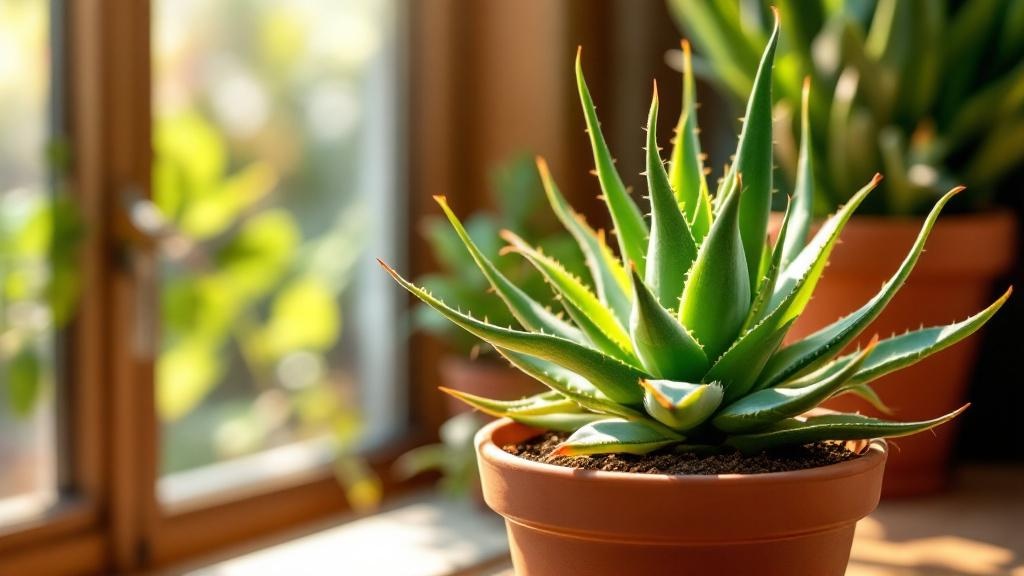
Echeveria
Echeveria succulents are beloved by collectors for their stunning geometric rosettes and minimal care demands. Whether you're growing them indoors on a bright shelf or outdoors in a raised bed, the biggest question most gardeners ask is: how often should I water this plant? The answer might surprise you—less is always more with echeveria. This guide covers everything you need to keep your rosettes thriving through every season.
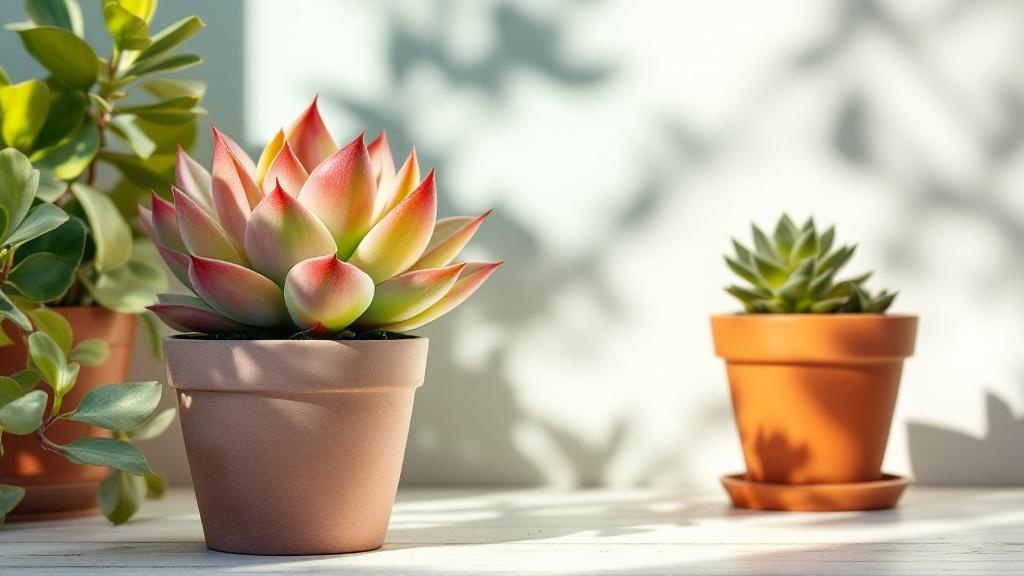
Watering your Echeveria
Echeveria thrives on neglect—overwatering is the number one killer. Water deeply but infrequently: every 10-14 days during the growing season (April through September), then cut back to once monthly from October to March. Check the soil first; it should be completely dry before watering again. In temperate winters, reduce watering further as the plant enters dormancy. Always use room-temperature water and pour from the base to avoid rot on the rosette.
Light requirements for healthy rosettes
Echeveria needs bright light to maintain its compact shape and vibrant coloration. Place it in a south-facing or west-facing window with at least 4-6 hours of direct sunlight daily. Without enough light, rosettes will stretch and become pale. If growing indoors year-round in a temperate climate, a sunny windowsill is ideal. Outdoors from May through September, echeveria can handle full sun, but protect it from harsh afternoon heat in hot spells above 80°F (27°C).
Soil and repotting needs
Use a well-draining cactus or succulent mix—never standard potting soil, which retains too much moisture. You can amend regular potting mix with 30-40% coarse sand or perlite. Repot only every 2-3 years in spring, or when the rosette fills its pot. Choose a pot with drainage holes; terracotta is ideal because it breathes and aids water evaporation. A pot just slightly larger than the rosette prevents waterlogging.
Temperature and humidity for temperate gardens
Echeveria prefers cool to warm conditions between 65-75°F (18-24°C). It cannot tolerate frost; bring container echeveria indoors before the first frost in late October in zones 5-7. In zones 8, some varieties survive outdoors with winter protection. Low humidity is perfect—echeveria does not like dampness. Ensure good air circulation around the plant to prevent fungal issues during damp springs.
Feeding your Echeveria
Echeveria needs minimal fertilizing. Feed once in late spring (May) and once in midsummer (July) with a diluted cactus fertilizer at half strength. Do not fertilize in autumn or winter when growth slows. Excess nitrogen promotes soft, weak growth susceptible to pests. If your plant looks healthy and compact, you can skip fertilizing altogether—echeveria is naturally adapted to poor soils.
Common problems and solutions
Rot from overwatering is the most common issue; if the rosette feels mushy, stop watering immediately and repot into fresh, dry soil. Mealybugs and scale insects occasionally attack in warm indoor conditions; spray affected areas with neem oil in early morning. Pale, stretched rosettes indicate insufficient light—move the plant closer to a window or outdoors. In temperate spring and early summer, watch for spider mites in dry indoor conditions; increase humidity or mist leaves lightly.
Frequently asked questions
How often should I water my Echeveria?
Water every 10-14 days during the growing season (April-September) when the soil is completely dry, then reduce to once monthly from October through March. Overwatering causes root rot, so check soil moisture before watering.
Can Echeveria survive winter in a temperate climate?
Yes, if grown in pots that you bring indoors before the first frost in late October. Place it in a cool, bright window and water only once monthly through winter. In USDA zone 8, some hardy varieties may survive outdoors with winter protection like mulch.
Why is my Echeveria turning pale and stretching?
Your plant is not getting enough light. Move it to a bright south-facing window or place it outdoors from May onwards to restore its natural color and compact form.
Is Echeveria safe for cats and dogs?
Yes, Echeveria is completely non-toxic to cats, dogs, and other pets. It is safe to display anywhere in your home without worry.
When does Echeveria bloom?
Echeveria blooms in late spring or early summer (May-June in temperate zones) with bell-shaped pink or red flowers on tall stems. Flowering requires the plant to reach maturity, usually after 2-3 years.